Hey there, fellow plant lovers!
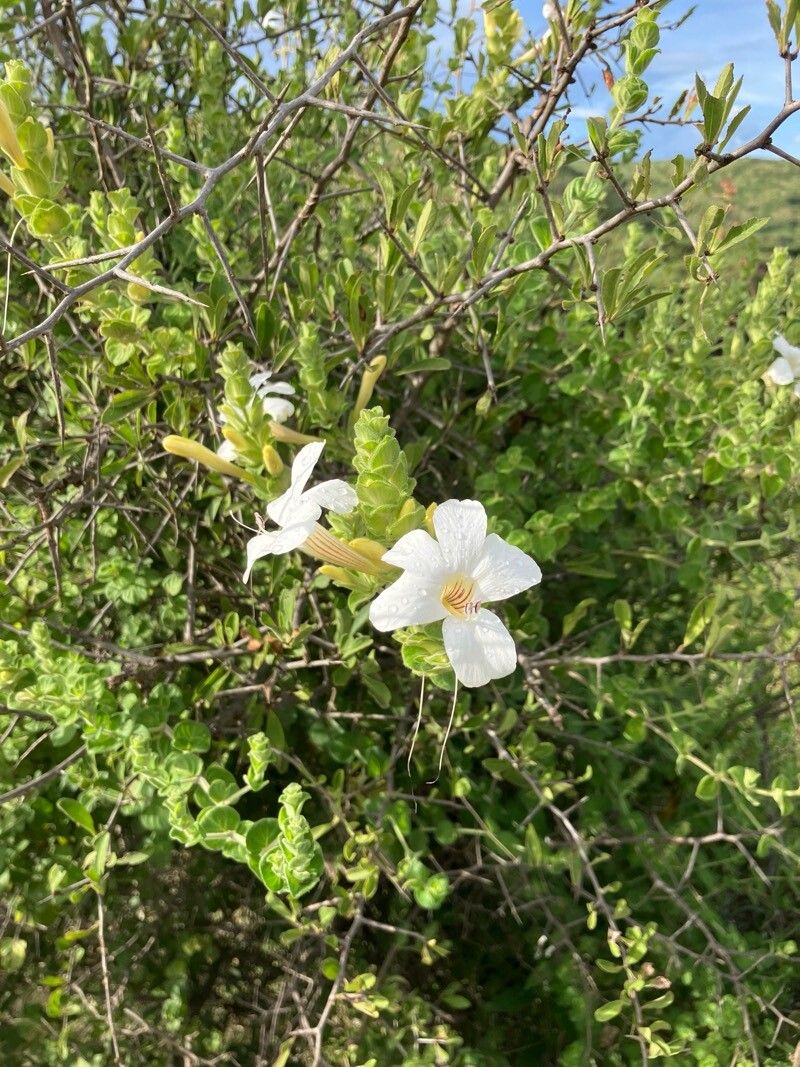
Today, I want to chat about a plant that’s stolen a little piece of my heart over the years: Barleria robertsoniae. You might know it by its common name, the Orange Tube Shower, and oh my goodness, it deserves it. Those vibrant, trumpet-shaped orange blossoms are just dazzling. They bloom prolifically, bringing a burst of sunshine into any garden or even a sunny windowsill. And the best part? If you’ve fallen in love with its charm, you’ll be happy to know that propagating Barleria robertsoniae is a really rewarding experience. For beginners, I’d say it’s moderately easy – with a few key tricks up your sleeve, you’ll be well on your way to success!
The Best Time to Start
When it comes to getting new baby Barleria robertsoniae plants, I always aim for spring or early summer. This is when the plant is actively growing after its winter rest. The shoots are usually developing new energy, making them prime candidates for taking cuttings. You want to grab stems that are still somewhat flexible and green, but not brand new, tender tips that can be prone to rot. Think of it as striking when the iron is warm, but not scorching hot!
Supplies You’ll Need
Before you dive in, let’s gather our trusty tools. Having everything ready makes the whole process so much smoother.
- Sharp Pruning Shears or a Clean Knife: For making clean cuts that heal quickly.
- Rooting Hormone (Optional but Recommended): A little powder or gel can give your cuttings a significant boost. I like to use a synthetic auxin-based one.
- Small Pots or Seed Starting Trays: Clean and with drainage holes!
- Light, Gritty Potting Mix: A good blend is crucial. I usually mix equal parts perlite, peat moss (or coco coir), and a bit of coarse sand. This ensures excellent drainage, which is vital for preventing rot.
- Watering Can with a Fine Rose Attachment or a Spray Bottle: For gentle watering.
- Plastic Bag or Propagation Dome: To create a humid microclimate.
Propagation Methods
For Barleria robertsoniae, stem cuttings are my go-to method. It’s straightforward and generally yields great results.
- Select Your Parent Plant: Choose a healthy, vigorous Barleria robertsoniae that’s showing good growth.
- Take Your Cuttings: Using your sharp pruning shears or knife, take several cuttings from healthy stems. Each cutting should be about 4-6 inches long. Aim for stems that have at least 2-3 sets of leaves. Cut just below a leaf node, which is where roots tend to form more readily.
- Prepare the Cuttings: Gently remove the lower leaves from the cutting, leaving just one or two sets of leaves at the top. This prevents foliage from sitting in the soil and rotting. If your leaves are quite large, you can even cut them in half horizontally to reduce water loss further.
- Apply Rooting Hormone: Dip the cut end of each stem into your rooting hormone. Tap off any excess. This step really helps encourage faster and stronger root development, though some plants can root without it.
- Plant Your Cuttings: Fill your clean pots or trays with your prepared, moistened potting mix. Make a small hole with your finger or a pencil. Insert the cut end of the stem into the hole, ensuring the leaf nodes are below the soil surface. Gently firm the soil around the cutting.
- Create a Humid Environment: Lightly water the soil to settle it around the cuttings. Then, place the pots inside a plastic bag, sealing it loosely, or cover them with a propagation dome. This keeps the humidity high, which is crucial for cuttings to root before they dry out.
The “Secret Sauce” (Pro Tips)
Now, for a few of my hard-won secrets that can really elevate your propagation game:
- Bottom Heat is Your Friend: If you have a seedling heat mat, now’s the time to use it! Placing your pots on a gentle heat source (around 70-75°F or 21-24°C) encourages the cuttings to develop roots much faster. It mimics that warm spring soil perfectly.
- Don’t Overcrowd: When taking cuttings, it’s tempting to cram as many as possible into a pot. Resist this urge! Give each cutting a bit of space. This improves air circulation, which is key to preventing fungal diseases and rot.
- Check for Moisture, Not Just Wetness: I always feel the soil moisture through the plastic bag or when I lift the pot. You want the soil to feel consistently moist, not waterlogged. If it feels too dry, give it a gentle watering. If it’s soggy, it’s a sign that drainage might be an issue, or you’re watering too much.
Aftercare & Troubleshooting
Once your cuttings have been planted, find a bright spot with indirect light. Avoid direct sun, which can scorch them. Keep that humidity high! After a few weeks, you should start to see signs of new growth. This is a great indicator that roots are forming.
The first sign that things are going well is usually tiny new leaves pushing out from the top. You can also gently tug on a cutting; if it resists, it means roots have begun to anchor it. Once you see a decent amount of new growth, it’s time to gradually acclimate your new plants to less humid conditions. Open the plastic bag or dome for a few hours each day, increasing the time over a week.
Now, about troubleshooting. The biggest culprit is usually rot. If your cuttings look limp, yellow, and are mushy at the base, that’s rot setting in. This is almost always due to overwatering, poor drainage, or lack of air circulation. If you catch it early, you might be able to save a cutting by trimming away the rotted part and repotting it in fresh, well-draining soil. Unfortunately, sometimes the rot is too far gone. Don’t be discouraged by a few failures; it happens to all of us!
A Little Patience Goes a Long Way
Propagating Barleria robertsoniae is a truly satisfying endeavor. It’s a wonderful way to share the beauty of these striking plants with friends or simply to fill your own garden with more of that glorious orange. Remember to be patient, observe your cuttings closely, and don’t be afraid to experiment. Happy propagating!
Resource:
https://identify.plantnet.org/k-world-flora/species/Barleria%20robertsoniae%20I.Darbysh./data