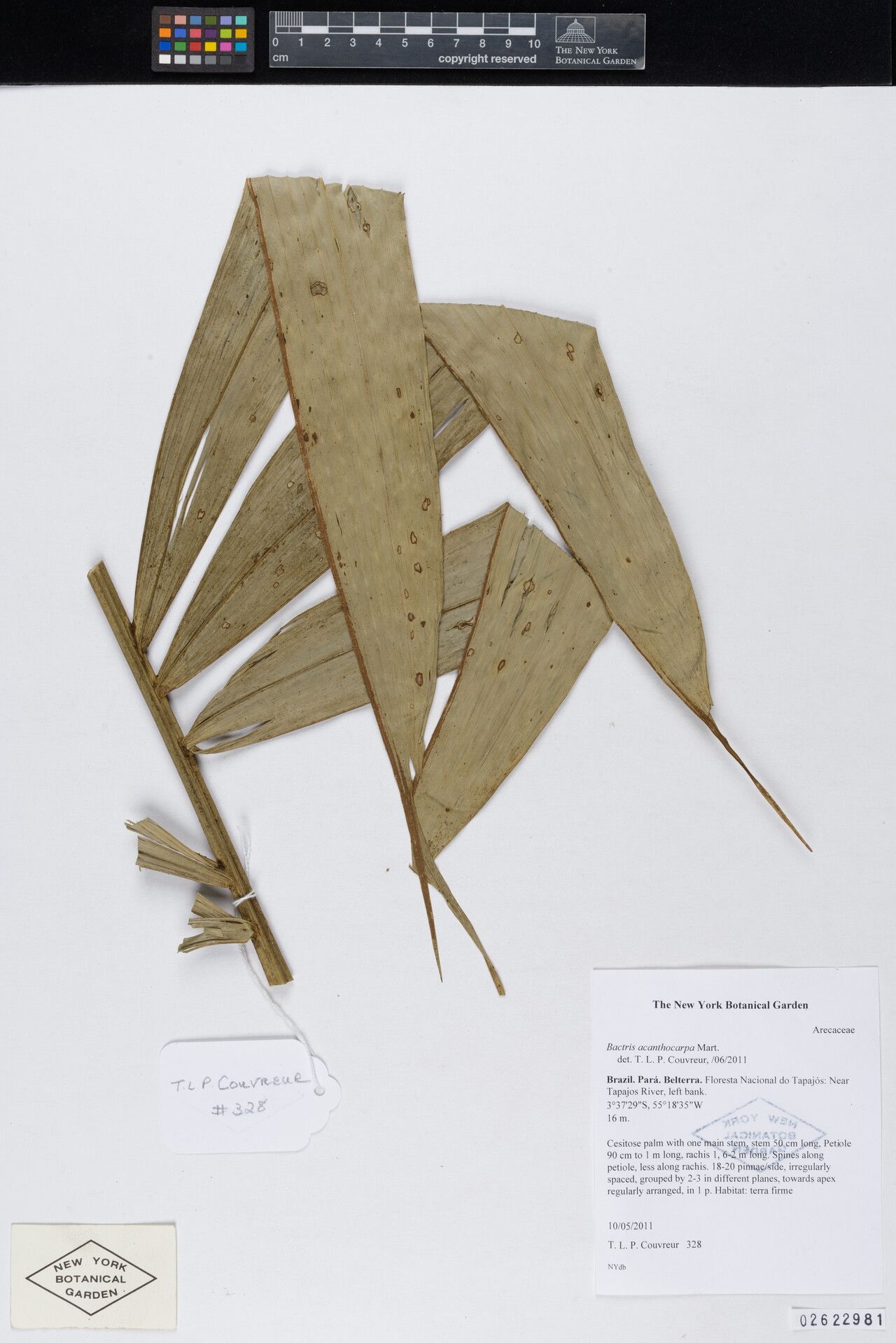
Hello fellow plant lovers! Today, we’re diving into the wonderful world of Bactris acanthocarpa, a palm that’s just bursting with personality. Its spiky stems and elegant fronds bring a touch of the tropics right into our homes or gardens. And let me tell you, successfully propagating this beauty yourself is incredibly satisfying. It feels like you’ve unlocked a little piece of nature’s magic! Now, for the good news: while it’s not exactly a walk in the park, propagating Bactris acanthocarpa is definitely achievable for a motivated beginner.
The Best Time to Start: When Nature is Ready
Think of it like this: when is the best time to have a baby? When things are stable and warm, right? The same goes for our palm friends. The absolute best time to get your propagation efforts underway is during the active growing season, which for most of us means late spring through summer. The days are longer, the temperatures are warmer, and the plant has all the energy it needs to put into creating new life. Starting when your parent plant is healthy and happy is key.
Supplies You’ll Need: Your Propagation Toolkit
Ready to roll up your sleeves? Here’s what I always have on hand:
- Well-draining potting mix: A blend of peat moss, perlite, and a bit of compost works wonders. You can also find specific palm mixes at your local garden center.
- Clean, sharp pruning shears or a knife: For making clean cuts. Hygiene is super important to prevent disease.
- Rooting hormone (optional, but recommended): This little helper can give your cuttings a significant boost. Look for a powder or gel specifically for stem cuttings.
- Small pots or propagation trays: With drainage holes, of course!
- Clear plastic bags or a propagator: To create a humid microclimate.
- Water: For rinsing tools and, of course, for your new babies.
- Labels: To remind yourself what you propagated and when!
Propagation Methods: Giving it a Go
Bactris acanthocarpa is typically propagated through division. This palm often forms clumps, and those smaller offsets are perfect candidates for propagation.
- Assess Your Mother Plant: Look for a healthy, mature Bactris acanthocarpa that has started to produce pups or offsets at its base. These are essentially smaller plants growing from the main stem.
- Gently Excavate: Carefully remove the entire plant from its pot. If it’s in the ground, you’ll need to dig around it. Work slowly and try not to damage the roots of the main plant or the offsets.
- Identify the Offsets: You’re looking for smaller, clustered shoots that appear to have their own root system. They might be attached by a rhizome or a small shoot to the main root ball.
- The Moment of Separation: This is where your clean, sharp tool comes in. Carefully cut or pry the offset away from the mother plant. The goal is to get a section of the offset with its own roots. Sometimes, they might just pull apart with a little encouragement. Don’t be afraid to be firm but gentle.
- Prepare the Offset: If the offset has any damaged roots, trim them off with your clean shears. You can also remove any old or yellowing leaves to help the plant conserve energy for root development.
- Dip in Rooting Hormone (if using): Lightly moisten the cut end of the offset (where it was separated) and dip it into the rooting hormone powder or gel. Tap off any excess.
- Plant Your New Baby: Fill a small pot with your well-draining potting mix. Make a small hole in the center and place the offset in, ensuring the roots are spread out. Firm the soil gently around it. The base of the offset should be at soil level.
- Water Thoroughly: Give your newly potted offset a good watering to settle the soil and ensure good contact with the roots.
The “Secret Sauce”: Insider Tips from My Greenhouse
- Don’t drown its roots: After planting, resist the urge to overwater. New plants need consistent moisture, but soggy roots are a quick ticket to rot. Let the top inch of soil dry out slightly before watering again.
- Humidity is your best friend: Palms thrive in moist environments. Once your offset is potted, tent a clear plastic bag over the pot to create a mini-greenhouse. This traps humidity and helps prevent wilting while the roots establish. Just make sure no leaves are touching the inside of the bag, as this can encourage rot.
- A touch of warmth: Palms love warmth. If your propagation area is a bit on the cooler side, consider placing your pots on a gentle heat mat. This bottom heat will encourage root development and significantly speed up the process. Just ensure the heat isn’t too intense – a gentle warmth is what you’re after.
Aftercare & Troubleshooting: Nurturing Your New Growth
Once your Bactris acanthocarpa offset has been potted and is happily ensconced in its new home, give it bright, indirect light. Direct sun can scorch its delicate new leaves. Continue with the light watering schedule and the high humidity.
How do you know it’s happy? You’ll start to see new leaf growth! This can take anywhere from a few weeks to a couple of months.
Now, what if things go wrong? The most common culprit is root rot. Signs include yellowing leaves that quickly turn brown and mushy, and a general wilting that doesn’t respond to watering. If you suspect rot, unpot the plant immediately, trim away any mushy, black roots, and repot into fresh, dry potting mix. Reduce watering and try to improve air circulation.
Another sign of trouble might be wilting that doesn’t improve. This could mean the roots aren’t establishing, or perhaps it needs more humidity or a warmer spot. Don’t give up! Sometimes, plants just need a little extra coaxing.
A Little Patience Goes a Long Way
Propagating a new plant is a journey, and with Bactris acanthocarpa, it’s one that’s absolutely worth the effort. Be patient, observe your new plant closely, and enjoy the process of watching it grow. You’re not just growing a plant; you’re creating a new life from an existing one. Happy propagating!
Resource:
https://identify.plantnet.org/k-world-flora/species/Bactris%20acanthocarpa%20Mart./data