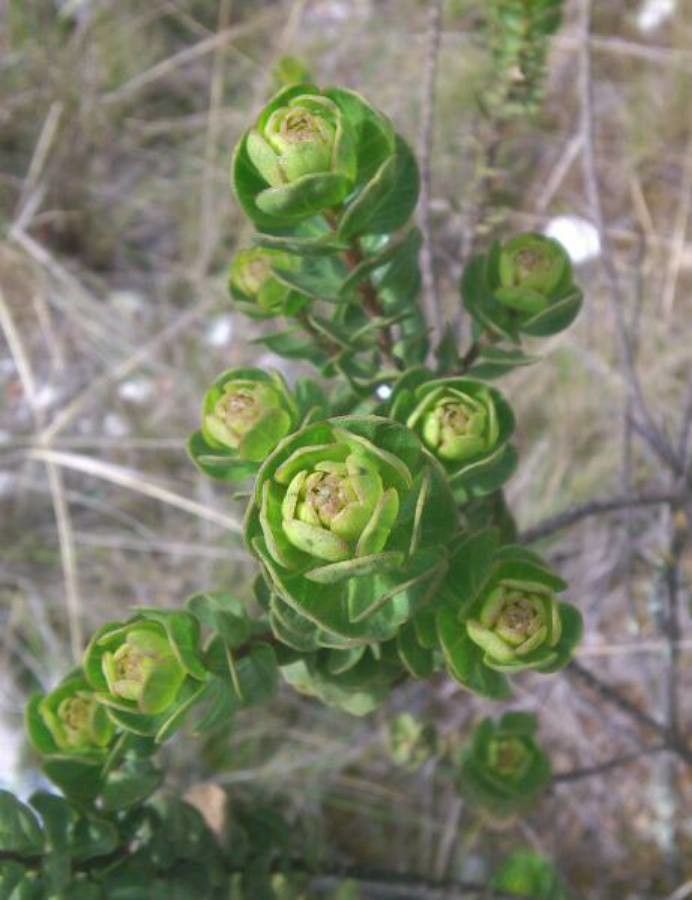
Oh, hello there! I’m so glad you stopped by. Today, we’re going to talk about a truly special plant that I’ve come to adore: Baccharis papillosa. If you’re looking for something a little unique, something that brings a touch of architectural interest and lovely texture to your garden, then this is your gal. And the best part? You can easily grow more of it yourself! It’s incredibly rewarding to watch these little plant babies take off, wouldn’t you agree? For beginners, I’d say propagating Baccharis papillosa is moderately easy. It requires a bit of attention, but nothing too daunting.
The Best Time to Start
My favorite time to get my hands dirty with Baccharis papillosa propagation is in late spring to early summer. This is when the plant is in a strong growing phase, and its new growth, known as softwood or semi-hardwood cuttings, is pliable and full of life. Starting then gives your cuttings plenty of time to root and establish before the cooler weather arrives, setting them up for a fantastic season ahead.
Supplies You’ll Need
Gathering your tools beforehand makes the whole process a breeze. Here’s what I always have on hand:
- Sharp, clean pruning shears or a sharp knife: For making clean cuts.
- Rooting hormone powder: This really helps give cuttings a boost.
- Small pots or trays: With drainage holes, of course!
- A well-draining potting mix: I like a mix of perlite, peat moss, and a little bit of coarse sand. You can also use a specialized seedling mix.
- A plastic bag or clear plastic dome: To create a humid environment.
- Watering can with a fine rose or spray bottle: For gentle watering.
- Optional: Bottom heat mat: For extra warmth, which can speed up rooting.
Propagation Methods
The most reliable way I’ve found to propagate Baccharis papillosa is through stem cuttings. It’s straightforward and gives you a great success rate.
Stem Cuttings:
- Select your cuttings: Look for healthy, non-flowering stems from your mature plant. You want pieces that are about 4-6 inches long. Make your cuts just below a leaf node. A leaf node is where a leaf attaches to the stem. This is where the magic happens for root formation.
- Prepare the cuttings: Gently remove the lower leaves from your cuttings, leaving just a few at the top. This reduces water loss and prevents leaves from rotting when they’re buried.
- Apply rooting hormone: Dip the cut end of each stem into your rooting hormone powder. Tap off any excess. This step is crucial for encouraging strong root development.
- Plant the cuttings: Fill your small pots or trays with your prepared potting mix. Make a small hole in the center of the mix with a pencil or your finger. Insert the cut end of your Baccharis papillosa cutting into the hole, ensuring the bottom leaf nodes are submerged in the soil. Gently firm the soil around the stem.
- Water gently: Water thoroughly but gently until the soil is evenly moist.
The “Secret Sauce” (Pro Tips)
Over the years, I’ve learned a few little tricks that seem to make all the difference.
- Don’t overcrowd: Give your cuttings a bit of breathing room in their pots. Good air circulation is key to preventing fungal issues.
- Mist daily (or cover): Once planted, I like to cover the pots with a clear plastic bag or dome to maintain high humidity. Make sure the leaves aren’t touching the plastic if possible. If you don’t cover them, a daily misting with a spray bottle can work wonders.
- Bottom heat is your friend: If you can swing it, placing your pots on a bottom heat mat really speeds up the rooting process. It mimics the warmth of spring and encourages those roots to emerge much faster.
Aftercare & Troubleshooting
Once your cuttings are planted, the patient waiting game begins!
Keep the soil consistently moist, but never soggy. This is where many people go wrong. Soggy soil is a fast track to rot. If you’ve used the plastic bag method, you’ll notice condensation. If it gets too much, open the bag for a few hours to let it air out.
You’ll know your cuttings have rooted when you see new leaf growth or feel a gentle resistance when you lightly tug on the stem. This usually takes anywhere from 4-8 weeks, sometimes longer.
The most common issue you might run into is rot. If a cutting starts to look black and mushy, it’s likely succumbed to rot. Sadly, there’s no saving them once that happens, so just discard them and try again. Prevention is key: good drainage, not overwatering, and decent air circulation will help immensely.
A Encouraging Closing
Growing new plants is one of the most satisfying parts of gardening. It teaches you patience and observation. Don’t get discouraged if your first attempt isn’t a runaway success. Every gardener, myself included, has had their share of flops! Just keep at it, observe your cuttings, and enjoy watching them unfurl their new leaves. Happy propagating!
Resource:
https://identify.plantnet.org/k-world-flora/species/Baccharis%20papillosa%20Rusby/data