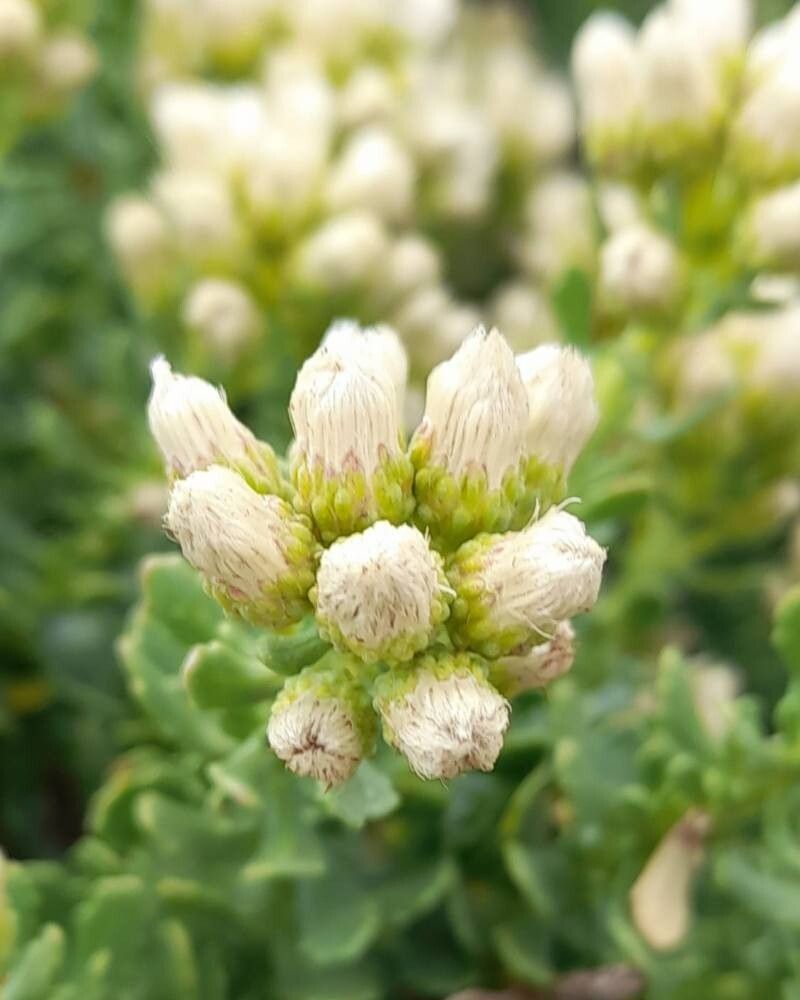
Oh, Baccharis neaei! What a fantastic choice for your garden. I’ve always adored this shrub for its delicate, airy foliage and the way it dances in the breeze. It brings such a lovely texture and a touch of the wild to any landscape. Plus, there’s a special kind of joy in taking a snippet from an established plant and coaxing it to grow into something new. It’s a little act of magic, really. For those of you just dipping your toes into the world of plant propagation, I’d say Baccharis neaei is a moderately easy plant to work with. It’s not one of the fussier ones, but a little attention to detail goes a long way.
The Best Time to Start
My favorite time to propagate Baccharis neaei is when the plant is in its active growing phase, usually in late spring or early summer. You want to be looking for new, but slightly hardened growth. Sometimes we call these “semi-hardwood” cuttings. This means the stems aren’t floppy and brand new, but they’re also not old and woody. Think of the new growth that’s already put on a bit of resilience, holding its shape but still flexible.
Supplies You’ll Need
Gathering your tools beforehand makes the whole process smoother. Here’s what I always have on hand:
- Sharp pruning shears or a clean knife: For making clean cuts.
- Potting mix: A light, well-draining blend is crucial. I like to use a mix of perlite and peat moss or coco coir, about a 50/50 ratio.
- Small pots or trays: With drainage holes, of course!
- Rooting hormone (optional but recommended): A powder or gel can give your cuttings a nice little boost to get roots going.
- Plastic bags or a propagator: To create a humid environment.
- Watering can or spray bottle: For gentle watering.
Propagation Methods
There are a couple of ways we can get more Baccharis neaei, and stem cuttings are my go-to method.
Stem Cuttings:
- Take your cuttings: Using your clean shears, snip off healthy stems that are about 4-6 inches long. Look for those semi-hardwood pieces we talked about. Make your cut just below a leaf node (where a leaf attaches to the stem).
- Prepare the cuttings: Gently remove the leaves from the bottom half of the stem. You want to expose the nodes where roots will emerge. Leave a few leaves at the top to keep the cutting photosynthesizing.
- Dip in rooting hormone (if using): Lightly dip the cut end into your rooting hormone, tapping off any excess.
- Plant your cuttings: Fill your small pots with your prepared potting mix. Make a small hole in the center of the mix with your finger or a pencil. Gently insert the cut end of the Baccharis cutting into the hole, ensuring the rooting hormone or bare stem is in contact with the soil. Firm the soil gently around the base.
- Water thoroughly: Water the soil gently until it’s moist but not soggy.
- Create humidity: Cover the pot with a clear plastic bag or place it in a propagator. This traps moisture and keeps the humidity high around the cuttings. Make sure the leaves aren’t touching the plastic. You can prop the bag up with a few small sticks if needed.
The “Secret Sauce” (Pro Tips)
Here are a couple of things I’ve learned over the years that really make a difference:
- Don’t let the leaves touch the water: If you’re doing water propagation or if your leaves are brushing against the plastic in your covered pots, they’ll likely rot. Keep everything airy and dry where it shouldn’t be.
- Consider bottom heat: While not strictly essential for Baccharis neaei, if you have a heat mat designed for propagation, placing your pots on it can significantly speed up root development. It mimics the warmth of spring soil and gives those roots a real incentive to grow.
Aftercare & Troubleshooting
Once your cuttings are planted, find them a bright spot out of direct, scorching sun. Keep the soil consistently moist, but never waterlogged. You can give the leaves a light misting every so often.
The magic happens when you see new growth emerge from the top of the cutting. This is usually your first sign that roots are forming underneath! You can also give a very gentle tug on the cutting – if you feel resistance, that’s a good indication roots have taken hold. Once you see good new growth, you can gradually remove the plastic cover over a few days to let the new plant acclimatize to lower humidity.
The most common problem you’ll encounter is rot. If your cutting turns black and mushy, it’s usually a sign of too much moisture and not enough air circulation. Unfortunately, you’ll have to discard that one and try again, making sure your soil is well-draining and you’re not overwatering.
A Encouraging Closing
Propagating plants is a journey of patience, and Baccharis neaei is a lovely companion for that journey. Don’t be discouraged if your first attempt isn’t perfect. Each cutting is a learning experience. Take your time, enjoy the process of nurturing these little snippets of life, and soon you’ll have a whole new cluster of these beautiful plants gracing your garden. Happy planting!
Resource:
https://identify.plantnet.org/k-world-flora/species/Baccharis%20neaei%20DC./data