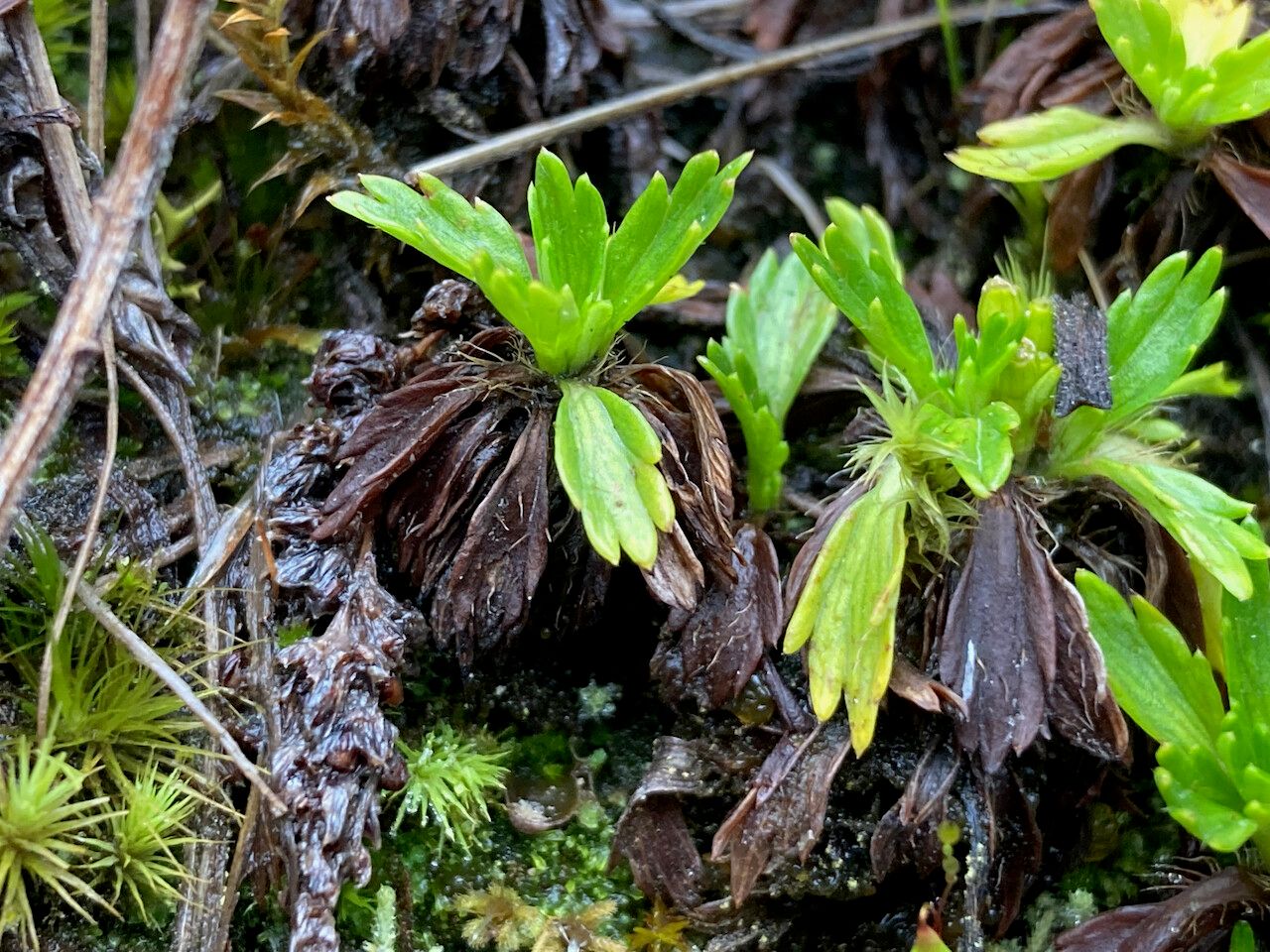
Oh, hello there! Come on in, grab a mug of something warm. I’m so glad you asked about propagating Azorella multifida. You know, this little gem with its intricate, cushion-like mounds is a real showstopper in the garden. It’s got this wonderful, almost architectural quality that I just adore. And the bonus? Splitting it and having more of those charming little rosettes to tuck into different spots or share with fellow plant lovers is incredibly satisfying. Now, is it a breeze for total newbies? I’d say it’s a manageable project, not quite a “set it and forget it” situation for your very first attempt, but with a little care, you’ll be rewarded.
The Best Time to Start
For the highest success rates, I always lean towards early spring, just as the plant is waking up from its winter slumber. Think March or April here in my neck of the woods. The longer days and gentle warmth encourage vigorous new growth, and the cuttings will have a full growing season to establish themselves. You can sometimes get away with late summer, but you’ll want to keep a closer eye on them as autumn approaches.
Supplies You’ll Need
Here’s what you’ll want to have on hand before you dive in:
- Sharp, clean pruning shears or a clean knife: For making precise cuts.
- A well-draining potting mix: I like to use a blend of standard potting soil with perlite or grit. You want to avoid anything that holds too much moisture.
- Small pots or seed trays: Clean ones, please!
- Rooting hormone (optional but recommended): This really gives those cuttings a boost.
- A light misting bottle: For keeping things humid without waterlogging.
- Labels and a marker: So you don’t forget what you planted where!
Propagation Methods
The most straightforward way to create more Azorella multifida is through division or by taking stem cuttings.
Division:
This is my absolute favorite method for this plant.
- Gently extract the plant: Best done when the soil is slightly moist, not bone dry or soaking wet. Carefully lift the entire clump from its pot or the ground.
- Tease apart the roots: Use your fingers or a clean trowel to gently separate the larger portions of the plant. You’re looking for sections that have their own root system and at least a few healthy growing points. Don’t be afraid to be a little firm, but avoid ripping.
- Trim if necessary: If the root ball is really dense, you can trim away some of the older, woody bits to make it easier to divide and to encourage fresh root growth.
- Pot up the new divisions: Plant each division in its own pot filled with your well-draining mix. Gently firm the soil around the base.
- Water lightly: Give them a gentle watering to settle the soil.
Stem Cuttings:
This takes a bit more patience but yields more plants.
- Select healthy growth: Look for non-flowering, actively growing stems that are about 2-4 inches long.
- Make the cut: Use your clean shears to take the cutting from the parent plant, making a clean cut just below a leaf node.
- Remove lower leaves: Pinch off the lower leaves on the cutting, leaving just a few at the top. This prevents them from rotting once planted.
- Apply rooting hormone (optional): Dip the cut end into rooting hormone, tapping off any excess.
- Plant the cuttings: Insert the cut end into small pots filled with your chosen well-draining mix. Make an indentation with a pencil or your finger first to avoid rubbing off the hormone.
- Water gently: Mist the soil surface lightly.
The “Secret Sauce” (Pro Tips)
Here are a couple of things I’ve learned over the years that really make a difference:
- When taking cuttings, avoid any that have flower buds or are actively flowering. They’re putting all their energy into reproduction, not root development. You want those young, vigorous shoots.
- For stem cuttings, consider using a propagator or covering the pot with a clear plastic bag. This creates a humid microclimate that is crucial for many cuttings to root successfully. Just make sure there’s a little air circulation, perhaps by leaving the bag slightly open or propping it up with a few skewers.
Aftercare & Troubleshooting
Once your new divisions or cuttings are potted, treat them gently. Keep them in a bright spot that receives indirect sunlight for the first few weeks. This is important – direct sun can scorch delicate new growth. Mist the soil lightly every few days, or whenever the surface feels dry to the touch. Avoid overwatering! This is the most common pitfall.
You’ll know they are rooting when you see new growth emerging. For divisions, this might happen relatively quickly. For cuttings, it can take several weeks, so patience is key.
The main thing to watch out for is rot. If your cuttings look mushy, yellow, or have fallen over and won’t perk up, it’s usually a sign of too much moisture and poor drainage. Don’t be discouraged if some don’t make it; it’s all part of the learning process! Just pull out the rotten ones to prevent any spread.
A Encouraging Closing
So there you have it! Propagating Azorella multifida is a wonderful way to expand your collection and share the beauty of this unique plant. Be patient, observe your cuttings, and don’t be afraid to experiment. Before you know it, you’ll have a whole army of these little green cushions to enjoy! Happy gardening!
Resource: