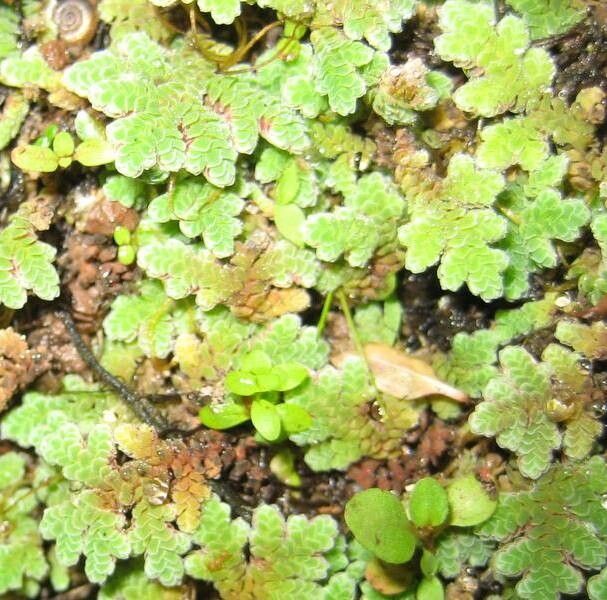
Oh, hello there! I’m so glad you’ve stopped by for a chat about Azolla filiculoides. This little fern, often called water clover or mosquito fern, is one of my absolute favorites. It’s just fascinating how it floats on the surface of water, creating this beautiful, green carpet. And the best part? It’s incredibly rewarding to grow more of it yourself! If you’re new to propagating, you’ll be thrilled to know that Azolla is remarkably easy to multiply. Seriously, it’s a fantastic plant for beginners looking for quick wins.
The Best Time to Start
For the highest success rate, aim to propagate Azolla when it’s actively growing and temperatures are warm. Late spring through summer is ideal. Think of it as giving your new plants the longest possible growing season to establish themselves. You can try it outside these times, but growth will be much slower, and your success rate might dip.
Supplies You’ll Need
You really don’t need much to get started with Azolla. It’s wonderfully low-fuss.
- A clean container (any shallow dish, old plant pot saucer, or even a small pond will do)
- Clean, fresh water (tap water is usually fine, but if yours is very hard, let it sit out for a day to let chlorine dissipate)
- A healthy, established Azolla specimen for cuttings
- Small scissors or a sharp knife (optional, for tidier divisions)
Propagation Methods
This is where the magic happens! Azolla propagates through a few simple methods, but the easiest is by far division.
- Division: This is the primary way Azolla reproduces. Azolla naturally grows in mats, and these mats are essentially large colonies of interconnected plants.
- Gently scoop out a healthy section of your existing Azolla. It’s best to grab a piece that has clearly defined, separate fronds or small clumps.
- Carefully separate this larger piece into smaller, manageable sections. You can usually just tease them apart with your fingers. Don’t worry about getting every single little root off; Azolla doesn’t have extensive root systems in the way terrestrial plants do.
- Place these smaller sections directly onto the surface of your clean water in your chosen container. They’ll float!
That’s it! Seriously. No rooting hormones, no fancy soil mixes needed. Just get a bit of the plant and put it in water.
The “Secret Sauce” (Pro Tips)
While Azolla is easy, a few little tricks can really speed things up and ensure you get robust new plants.
- Keep it floating! Azolla needs to be on the surface. If submerged, it can rot. Try to avoid letting the fronds get waterlogged or submerged for too long if you’re propagating in a deeper container.
- Sunlight is key, but not scorching. Azolla loves bright, indirect sunlight. Too much harsh, direct sun can scorch the delicate fronds, especially when they’re young and just starting out. Find a spot where they get plenty of light without being baked.
- Don’t overcrowd. While Azolla will multiply rapidly, give your divisions a little space initially. Overcrowding can lead to competition for light and nutrients, slowing down growth.
Aftercare & Troubleshooting
Once your Azolla is happily floating, the aftercare is pretty straightforward.
- Top up the water. As water evaporates, make sure to replenish it with fresh water to keep the Azolla floating and healthy.
- Observe. Watch your new plants. You should start to see new growth within a few days to a week, especially in warm weather.
- Common issues: The main problem you’ll encounter is rot. This usually happens if the Azolla gets submerged or if the water becomes stagnant and dirty. If you see parts of your Azolla turning mushy or black, remove them promptly. If the whole batch looks like it’s gone bad, don’t despair! Just get another small piece from your original healthy specimen and give it another go.
A Little Encouragement
Growing new plants is such a joyous part of gardening, and Azolla makes it incredibly accessible. Be patient with yourself, enjoy the process of watching these little water ferns unfurl, and celebrate the small successes. Before you know it, you’ll have more beautiful Azolla than you know what to do with! Happy propagating!
Resource:
https://identify.plantnet.org/k-world-flora/species/Azolla%20filiculoides%20Lam./data