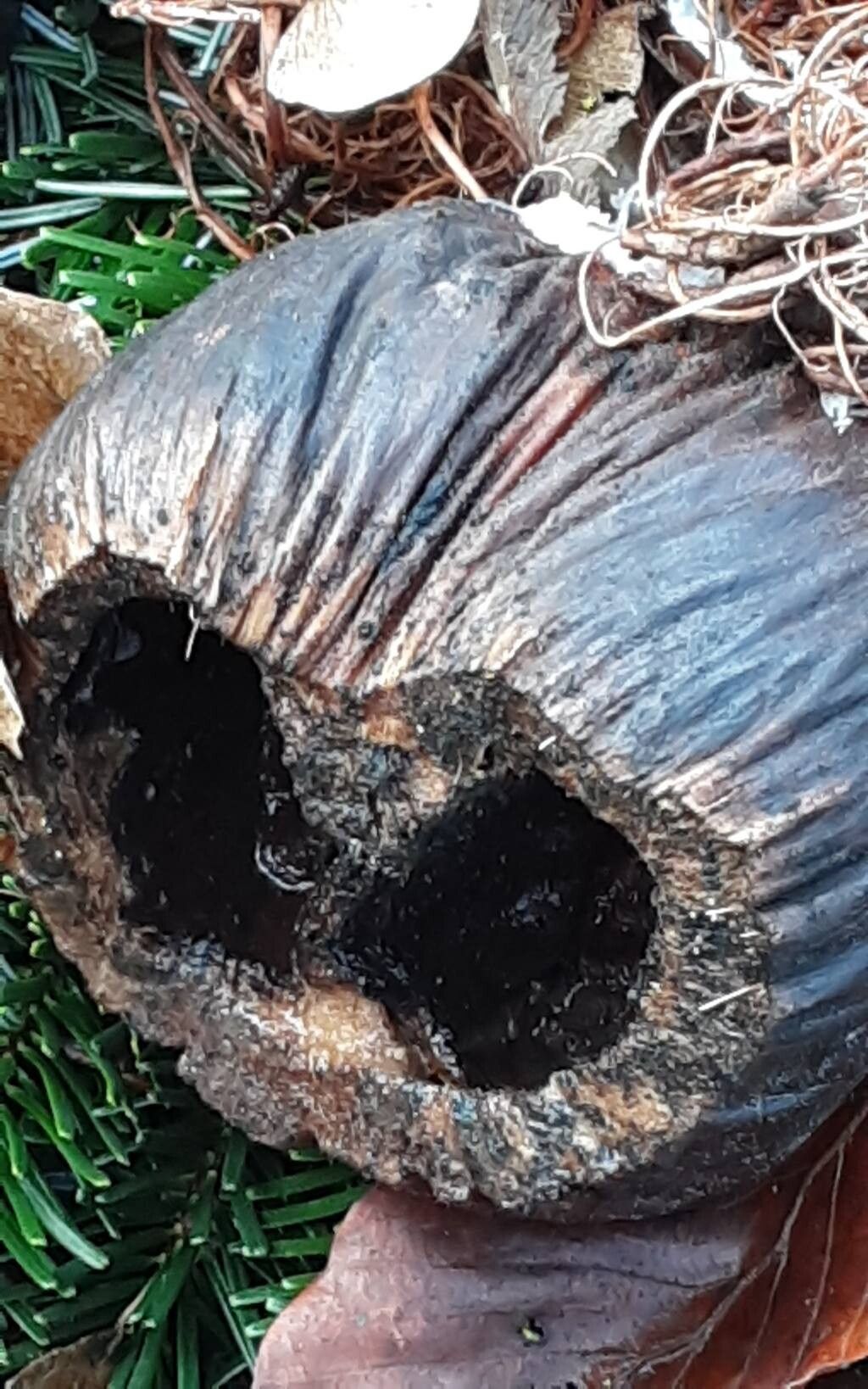
Hey there, fellow plant lovers! I’m so excited to chat with you today about a true gem of the plant world: Attalea cohune. You know, those magnificent palms with their feathered fronds that can transport you straight to a tropical paradise? They’re just stunning, aren’t they? And the sheer joy of nurturing one of these giants from a tiny beginning is incredibly rewarding. Now, about getting started – Attalea cohune can be a bit of a journey, not necessarily one for the absolute beginner, but with a little patience and the right approach, you’ll find it wonderfully achievable. Think of it like mastering a new baking recipe; it takes practice, but the results are so worth it!
The Best Time to Start
When it comes to giving your Attalea cohune the best chance to thrive, warmth and active growth are your best friends. I find that starting new plants in late spring or early summer is ideal. The days are longer, the temperatures are consistently warm, and the plant is naturally pushing out new growth. This energy really helps a new propagation take off. Avoid trying to start them when it’s cold and dark – they just won’t have the same oomph.
Supplies You’ll Need
Here’s what you’ll want to have on hand before you dive in:
- Clean, sharp pruning shears or a good knife: For making clean cuts.
- Well-draining potting mix: A blend of peat moss, perlite, and coarse sand works wonders. I often use a mix specifically formulated for palms or a general succulent/cactus mix.
- Small pots or propagation trays: Ensure they have drainage holes.
- Rooting hormone powder (optional but recommended): This can give your cuttings a helpful boost.
- A watering can with a fine rose: For gentle watering.
- Plastic bags or a propagation dome: To create a humid environment.
- A heat mat (optional but beneficial): For consistent warmth.
Propagation Methods
Attalea cohune is primarily propagated from seeds. While stem cuttings aren’t really a viable method for this tree-like palm, getting good seeds is key.
Seed Propagation: A Step-by-Step Guide
- Source Your Seeds: The most reliable way is to get seeds from a mature Attalea cohune. Look for fruits that have fallen and are ripe. If you’re buying seeds, purchase from a reputable supplier to ensure viability.
- Clean the Seeds: Gently remove all the fleshy fruit pulp from the seeds. This is important to prevent rotting and fungal issues. You can rub them with a damp cloth or let them soak in water for a day, then scrub them clean.
- Soak the Seeds: This is a crucial step for Attalea cohune. Soak the cleaned seeds in lukewarm water for 24 to 48 hours. This helps to soften the seed coat and encourage germination. Change the water once or twice during this period.
- Prepare Your Potting Mix: Fill your chosen pots or trays with your well-draining potting mix. Moisten the mix so it’s damp but not waterlogged. You want it to feel like a wrung-out sponge.
- Plant the Seeds: Plant each seed about 1 inch deep in the potting mix. You can plant them individually in small pots or a few in a larger tray, ensuring they have space to grow.
- Create a Humid Environment: Cover the pots or trays with a plastic bag or a propagation dome. This traps humidity, which is vital for germination. Open it for a few minutes each day to allow for air circulation and prevent mold.
- Provide Warmth: Place your pots in a warm location. A temperature of 75-85°F (24-29°C) is ideal. A heat mat placed underneath can be very helpful, especially if your home tends to be cooler.
- Be Patient! This is where the real test of patience comes in. Attalea cohune seeds are known to be slow germinators. It can take anywhere from several months to over a year for them to sprout. Keep the soil consistently moist (but not soggy) and the environment warm. Don’t give up!
The “Secret Sauce” (Pro Tips)
Here are a couple of tricks I’ve learned over the years that make a big difference:
- Don’t rush the seed cleaning: Seriously, that fleshy pulp is an invitation for trouble. Spend a little extra time scrubbing those seeds thoroughly. It’s a small step with a big impact on preventing rot.
- Consider stratification (if you can!): While soaking is good, some gardeners find success with cold stratification for a period (like a month in damp sand in the fridge) before the warm soak. This mimics natural conditions and can sometimes kickstart germination for stubborn seeds. I’ve had good luck with it for other tough palms, so it’s worth exploring if your first attempts are slow.
Aftercare & Troubleshooting
Once you see that first tiny sprout emerge, congratulations! Now, let’s help it grow.
- Gradual Acclimation: Slowly remove the plastic cover over a week or two. This helps the seedling adjust to normal room humidity.
- Light: Place the new seedling in a spot with bright, indirect light. Avoid direct sun initially, as it can scorch delicate new leaves.
- Watering: Continue to water consistently but sparingly. Allow the top inch of soil to dry out slightly between waterings. Overwatering is the quickest way to kill a young palm.
- Fertilizing: Wait until your seedling has developed a few sets of leaves before lightly feeding it with a diluted liquid fertilizer formulated for palms.
Troubleshooting:
- Rotting Seeds/Seedlings: This is usually a sign of overwatering or poor drainage. Make sure your soil mix is airy and you’re not keeping the soil too wet. If you see any signs of mushy rot, you may need to discard the affected seed or seedling and reassess your watering and soil.
- No Germination: Patience is paramount. Keep the conditions consistent. If it’s been over 18 months, the seed might have been non-viable. Sometimes it just takes longer than we expect with these magnificent plants.
Keep Growing!
Propagating Attalea cohune from seed is a project that truly rewards patience and observation. It’s a wonderful way to connect with nature and witness the miracle of new life. Even if it takes a while, enjoy the journey, learn from each step, and before you know it, you’ll have your very own majestic palm to admire. Happy growing!
Resource:
https://identify.plantnet.org/k-world-flora/species/Attalea%20cohune%20Mart./data