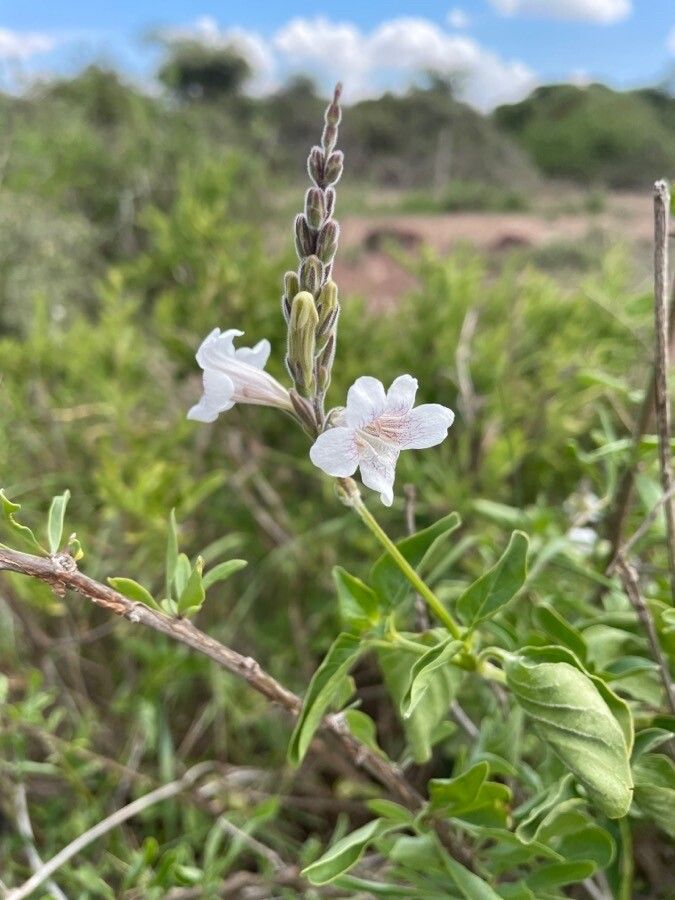
Hello fellow garden enthusiasts! Today, we’re diving into the wonderful world of Asystasia charmian, also known as Chinese violet. If you’ve ever admired these lovely plants with their delicate, trumpet-shaped blooms and glossy foliage, you’re in for a treat. Propagating them is a fantastic way to expand your collection without spending a fortune, and honestly, it’s incredibly satisfying to watch a tiny cutting transform into a flourishing plant. For beginners, I’m happy to report that Asystasia charmian is quite forgiving and a joy to propagate. You’ll be sharing cuttings with friends in no time!
The Best Time to Start
The sweet spot for propagating Asystasia charmian is generally during its active growing season. Spring and early summer are your prime windows. This is when the plant has the most energy to put into producing new roots. You can also sneak in some propagation in the fall, but success rates might be a touch lower as the plant starts to think about slowing down for winter. Look for healthy, vigorous stems that aren’t flowering heavily; these will have the best chance of rooting.
Supplies You’ll Need
Here’s a little kit to get you started:
- Sharp pruning shears or a clean knife: For taking clean cuts.
- Rooting hormone (optional but helpful): A powder or gel for an extra boost.
- Well-draining potting mix: A standard houseplant mix amended with perlite or vermiculite works beautifully.
- Small pots or propagation trays: Clean containers are key to preventing disease.
- Labels: To keep track of what you’ve planted and when!
- Plastic bags or a clear dome: To create a humid environment.
- Watering can with a fine rose: For gentle watering.
Propagation Methods
Let’s get our hands dirty with a couple of tried-and-true methods.
Stem Cuttings: My Go-To Method
This is my favorite way to propagate Asystasia charmian because it’s so reliable.
- Take Your Cuttings: Select healthy, non-flowering stems. Look for sections that have at least two to three sets of leaves. Using your sharp shears or knife, make a clean cut just below a leaf node (where a leaf emerges from the stem). Aim for cuttings that are about 4-6 inches long.
- Prepare the Cuttings: Gently remove the lower leaves from your cuttings, leaving just the top one or two sets. This prevents the submerged leaves from rotting. If you’re using rooting hormone, dip the cut end into the powder or gel, tapping off any excess.
- Plant Your Cuttings: Fill your small pots or trays with your well-draining potting mix. Make a small hole in the center of the mix with a pencil or your finger. Insert the cut end of the Asystasia charmian cutting into the hole, making sure at least one leaf node is below the soil surface. Gently firm the soil around the stem to ensure good contact.
- Create a Humid Environment: Water the soil gently until it’s moist but not soggy. Now, cover the pots with a clear plastic bag, a clear dome, or place them in a large zip-top bag. This traps humidity, which is crucial for successful rooting. You can prop up the bag with skewers if needed to keep it from touching the leaves.
Water Propagation: A Visual Treat
Watching roots emerge in water is so rewarding!
- Prepare Your Cuttings: Follow steps 1 and 2 from the stem cuttings method.
- Place in Water: Fill a clean jar or glass with room-temperature water. Place your prepared cuttings into the water, ensuring that the leaf nodes are submerged. Crucially, make sure no leaves are touching the water. Leaves submerged will rot and can infect the entire cutting.
- Find a Good Spot: Place your water propagation jar in a bright location, but out of direct, harsh sunlight. Change the water every few days to keep it fresh and oxygenated. You’ll start to see tiny roots emerge from the submerged nodes within a few weeks.
- Potting Up: Once the roots are about an inch long, you can carefully transplant them into well-draining potting mix, following steps 3 and 4 from the stem cuttings method. Be extra gentle with these newly rooted plants.
The “Secret Sauce” (Pro Tips)
After years with these beauties, I’ve picked up a few tricks.
- Bottom Heat is Your Friend: If you can, place your pots on a heat mat designed for seedlings. This gentle warmth from below encourages roots to form much faster. It’s like giving your cuttings a cozy hug!
- Air Circulation Matters (Then): While you want humidity initially, once those roots start forming, it’s good to gradually introduce more air circulation. After a couple of weeks, start opening the plastic bag or dome for a few minutes each day. This helps prevent fungal issues as the plant gets established.
- Don’t Be Afraid to Sacrifice a Few: Sometimes, not every cutting will make it. That’s totally normal! It’s better to take more cuttings than you think you’ll need. Think of it as practice – the more you do it, the better you get.
Aftercare & Troubleshooting
Once you see those lovely little roots peeking out or your cutting starts to show new growth, congratulations! This means your Asystasia charmian is on its way.
Continue to keep the soil consistently moist but not waterlogged. As the plant grows stronger and develops a more robust root system, you can gradually acclimate it to drier conditions, similar to how you’d care for a mature plant.
What can go wrong? The most common culprit is rot. If your cutting turns mushy, dark, and starts to smell, it’s likely rotted. This is usually due to overwatering or poor air circulation. Don’t be disheartened; simply discard the rotted cutting and start fresh with a new one, paying close attention to the tips above. Another sign of failure is a cutting that just sits there and does nothing. This can mean it’s not getting enough light, or perhaps it’s just taking its sweet time. Patience is key!
Happy Propagating!
So there you have it! Propagating Asystasia charmian is a rewarding journey that connects you even more deeply with your plants. Be patient, enjoy the process, and before you know it, you’ll have a whole garden of these charming beauties to enjoy and share. Happy growing!
Resource:
https://identify.plantnet.org/k-world-flora/species/Asystasia%20charmian%20S.Moore/data