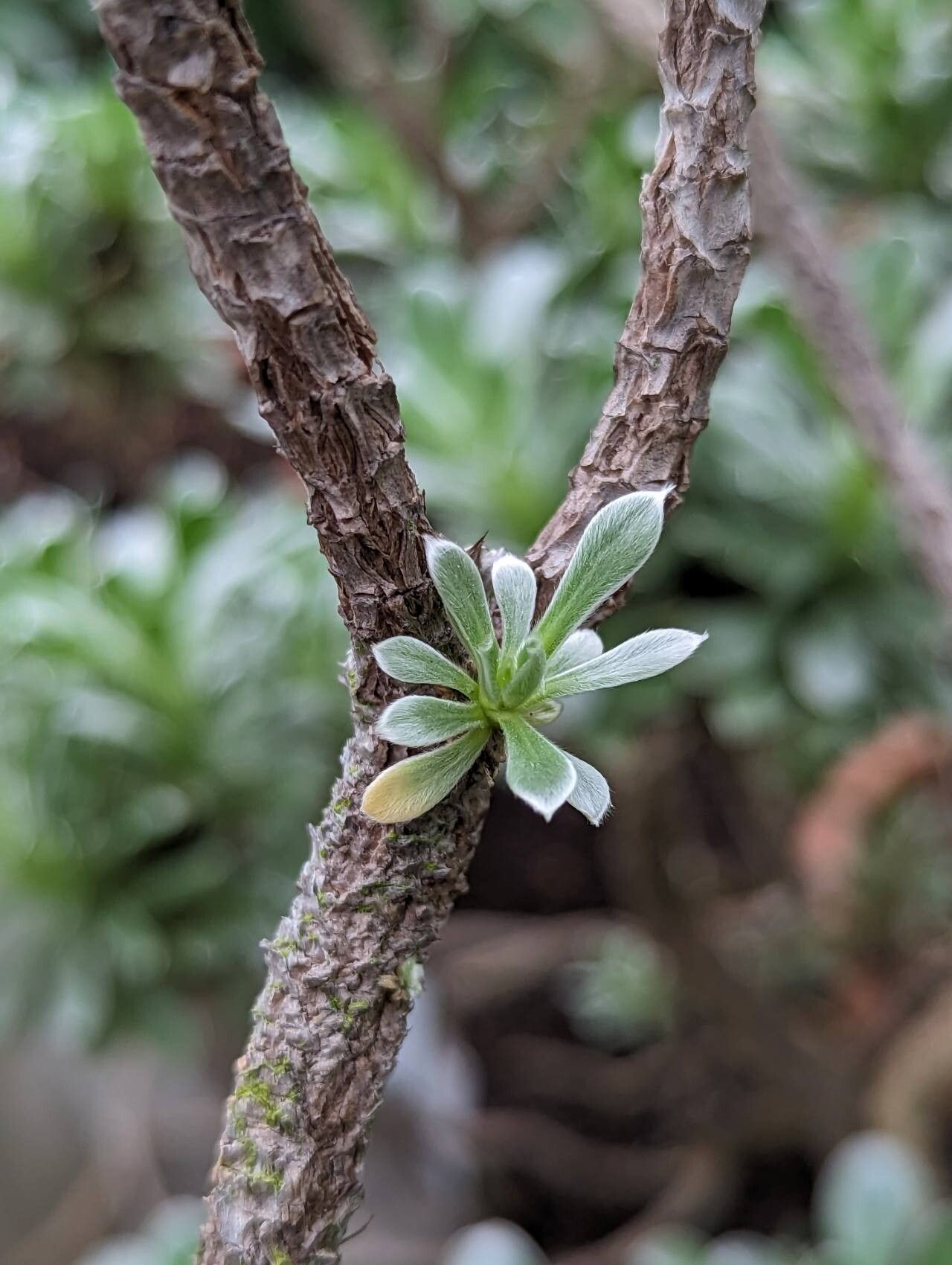
Hey there, fellow plant lovers! It’s so good to have you join me today. I’ve been digging in the dirt for about two decades now, and I’m still just as excited about coaxing new life from a single stem or a tiny division as I was on day one. Today, we’re turning our attention to a Mediterranean beauty that often gets overlooked: Asteriscus sericeus, sometimes called the golden buttons or sea aster.
This plant truly shines with its delicate, sunny yellow flowers that look like little pom-poms. They bring such a cheerful glow to the garden, and honestly, they’re surprisingly tough once established. The really fantastic part? You can easily make more of these beauties yourself! Don’t worry if you’re new to propagation; Asteriscus sericeus is quite forgiving, making it a wonderful plant to start your propagation journey with. Seeing those first tiny roots emerge is pure magic, and having more of these cheerful blooms to share or fill your own garden is incredibly rewarding.
The Best Time to Start
For the highest success rate, I always aim to propagate Asteriscus sericeus in late spring or early summer. The plant is actively growing then, full of vigor, and has plenty of energy to put into rooting. You’re looking for new, but not too soft, growth. Think of it as taking cuttings from a strong, healthy shoot that’s just finished flowering or is about to.
Supplies You’ll Need
Gathering your tools before you begin makes the whole process feel so much smoother. Here’s what I always have on hand:
- Sharp, clean pruning shears or a sharp knife: Sterilize them with rubbing alcohol to prevent disease.
- Potting mix: A well-draining mix is crucial. I like to use a blend of peat moss, perlite, and a bit of coarse sand. You can also buy a good quality seedling or starter mix.
- Rooting hormone (optional but recommended): This can give your cuttings a significant boost. Look for one that contains indole-3-butyric acid (IBA).
- Small pots or seed trays: With drainage holes, of course!
- A spray bottle: For misting.
- Plastic bags or a propagation dome: To create a humid environment.
Propagation Methods
Asteriscus sericeus is wonderfully amenable to stem cuttings. It’s my go-to method!
Stem Cuttings:
- Take your cuttings: Select healthy stems that are about 4-6 inches long. Make your cut just below a leaf node (where a leaf attaches to the stem). This is where the magic happens for rooting. Remove the lower leaves, leaving just a few at the top.
- Prepare the cuttings: If you’re using rooting hormone, dip the cut end into the powder, tapping off any excess.
- Plant your cuttings: Fill your small pots with your well-draining potting mix. Make a small hole in the center of the soil with a pencil or your finger.
- Insert the cuttings: Gently place the cut end of your Asteriscus cutting into the hole, firming the soil around it to ensure good contact.
- Water gently: Water the soil thoroughly but be careful not to dislodge the cuttings.
The “Secret Sauce” (Pro Tips)
There are a few little tricks I’ve picked up over the years that can really make a difference:
- Bottom Heat is Your Best Friend: Asteriscus sericeus absolutely loves a little warmth from below to get those roots going. A heating mat placed under your pots can dramatically speed up the rooting process and greatly improve your success rate. It mimics the warmth of the soil in its natural sunny habitat.
- The Humidity Tent is Key: Once you’ve planted your cuttings, don’t let them dry out. Cover the pots with a clear plastic bag or a propagation dome. This traps moisture, creating a humid mini-greenhouse. Just make sure the leaves aren’t directly touching the sides of the bag, as this can encourage rot.
- Don’t Be Afraid to Trim: If your cuttings start to look a bit leggy or are producing too many flowers before they’ve rooted, pinch off any developing flower buds. The plant needs to focus its energy on growing roots, not making seeds just yet.
Aftercare & Troubleshooting
Once your cuttings are planted, keep them in a bright location, but out of direct, harsh sunlight, especially during the hottest part of the day. Mist them regularly to keep those leaves turgid, and check the soil moisture. You want it to be consistently moist, but never waterlogged.
A good sign that your cuttings are rooting is when you see new leaf growth. You can also give them a very gentle tug – if there’s resistance, you’ve got roots! This usually takes anywhere from 3 to 6 weeks.
The most common issue you might face is rot. If you see your cuttings turning black and mushy, it’s usually a sign of too much moisture and not enough air circulation. Make sure your soil is draining well and consider increasing ventilation by temporarily propping open your humidity tent. If you catch it early, you might be able to save a cutting by trimming away the rotten parts and repotting it in fresh, dry soil.
A Encouraging Closing
Growing more of our beloved plants is such a fulfilling part of gardening. Be patient with your Asteriscus sericeus cuttings. Some might take a little longer than others, and that’s perfectly okay. Enjoy the process, celebrate every tiny sign of progress, and soon you’ll have a mini-army of golden buttons to enjoy. Happy propagating!
Resource:
https://identify.plantnet.org/k-world-flora/species/Asteriscus%20sericeus%20(L.f.)%20DC./data