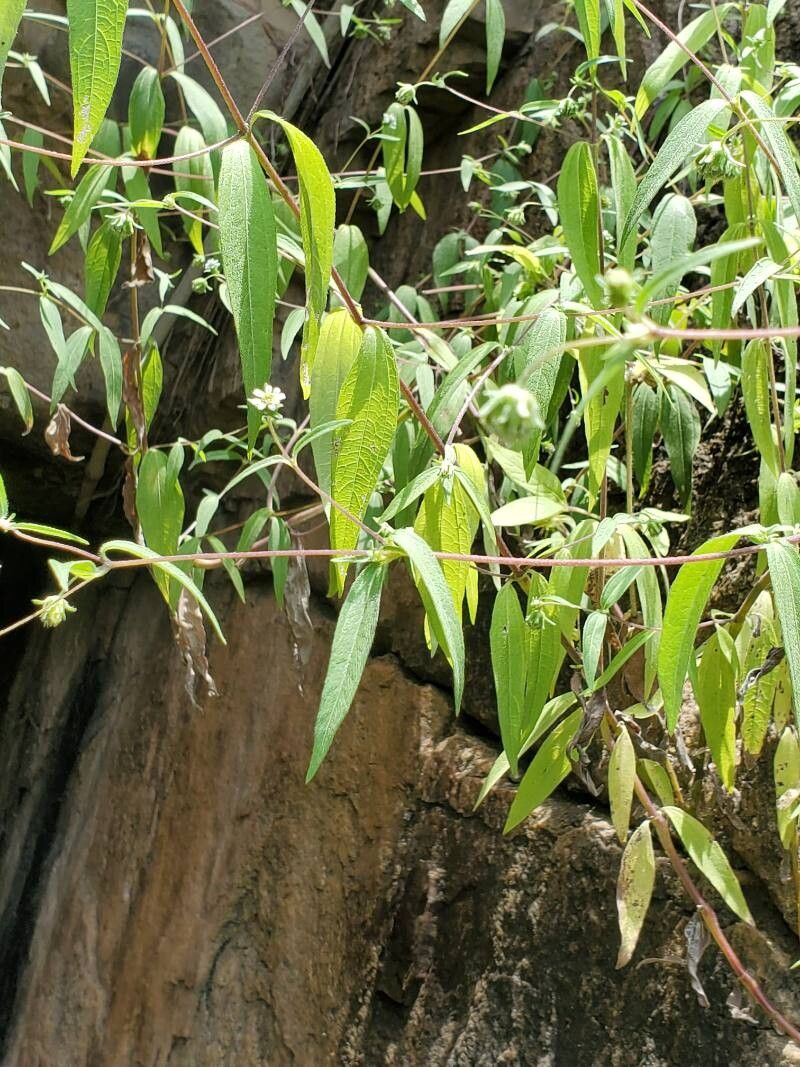
Hey there, fellow plant lovers! Today, we’re diving into the wonderful world of propagating Aspilia bussei. If you’re not familiar with this beauty, imagine delicate, cheerful yellow daisy-like flowers that seem to bloom endlessly, attracting all sorts of lovely pollinators. It’s a plant that just radiates sunshine, and honestly, watching a new little one sprout from a bit of your original plant is one of the most satisfying gardening experiences there is. Don’t worry, while some plants can be a bit fussy, I’ve found Aspilia bussei to be quite forgiving, making it a fantastic project for beginners and seasoned gardeners alike.
The Best Time to Start
Timing is everything, isn’t it? For Aspilia bussei, the sweetest spot for propagation is usually late spring to early summer. This is when the plant is in its active growth phase and has plenty of energy to put into developing new roots. You’re looking for new, healthy growth – stems that aren’t too flimsy and not yet woody.
Supplies You’ll Need
Gathering your supplies before you start makes the whole process much smoother. Here’s what I always have on hand:
- Sharp pruning shears or a clean knife: For making precise cuts.
- Potting mix: A light, well-draining mix is crucial. I often use a blend of regular potting soil with perlite or coarse sand to improve drainage.
- Small pots or trays: Clean containers to house your cuttings.
- Rooting hormone (optional but recommended): This can give your cuttings a helpful boost.
- Plastic bag or plastic dome: To create a humid environment.
- Watering can or spray bottle: For gentle watering.
- Labels: To remember what you’ve planted and when!
Propagation Methods
I’ve found a couple of methods work exceptionally well for Aspilia bussei.
Stem Cuttings
This is my go-to for this plant.
- Select your cutting: Look for a healthy stem that’s about 4-6 inches long and has several sets of leaves.
- Make the cut: Using your sharp, clean shears or knife, make a clean cut just below a leaf node. This is where the roots are most likely to form.
- Prepare the cutting: Gently remove the lower leaves, leaving just a couple of sets at the top. If the leaves are quite large, you can even halve them to reduce moisture loss.
- Apply rooting hormone (optional): Dip the cut end into your rooting hormone powder or gel, tapping off any excess.
- Plant your cutting: Gently push the cut end into your prepared potting mix, ensuring the leaf nodes are buried. Firm the soil gently around the stem.
- Water gently: Water the soil lightly until it’s moist but not soggy.
- Create humidity: Cover the pot or tray with a clear plastic bag or dome to trap moisture. You can prop the bag up with a couple of sticks so it doesn’t touch the leaves.
- Place in bright, indirect light: Find a warm spot that gets plenty of light but avoid direct, harsh sunlight, which can scorch your new cuttings.
Water Propagation
This is a wonderfully visible way to propagate, and Aspilia bussei usually roots readily in water.
- Take a stem cutting: Follow steps 1 and 2 from the stem cutting method above.
- Remove lower leaves: Just like before, remove any leaves that would fall below the waterline.
- Place in water: Put the cutting in a clean jar or vase filled with fresh, clean water.
- Find a good spot: Again, this needs bright, indirect light.
- Change the water regularly: Every few days, empty and refresh the water to prevent it from becoming stagnant and a breeding ground for bacteria.
The “Secret Sauce” (Pro Tips)
Here are a few little tricks I’ve picked up over the years that really make a difference:
- Don’t let the leaves touch the water (in water propagation): I can’t stress this enough! If leaves sit in the water, they’re much more prone to rotting, which can take down your whole cutting before it even has a chance to root. Pinch off those lower leaves!
- Warmth is your friend: Aspilia bussei cuttings absolutely love a bit of warmth from below. If you have a heat mat, placing your pots on it can dramatically speed up root development. If not, just placing them in a warm room should do the trick.
- Patience is a virtue (and a necessity): I know it’s tempting to keep checking, but try to resist! Roots can take anywhere from a few weeks to a couple of months to develop. Trust the process.
Aftercare & Troubleshooting
Once you see those first signs of roots – perhaps a bit of new leaf growth or when you gently tug and feel resistance – it’s time for a little shift.
- For water cuttings: When your roots are about an inch long, you can carefully transplant them into your well-draining potting mix. Be very gentle with those delicate roots.
- For soil cuttings: Continue to keep the soil moist but not waterlogged. Once you see new growth appearing, you know roots have formed. You can then gradually acclimate your new plant to less humidity by opening up the plastic bag or dome for longer periods each day.
- Troubleshooting: The most common issue is rot. If your cutting turns black and mushy, it’s usually a sign of too much moisture and not enough airflow. Sadly, in this case, you’ll often have to start again. Sometimes, if cuttings simply refuse to root, it could be that the stem wasn’t healthy enough to begin with, or the conditions weren’t quite right. Don’t get discouraged! Gardening is all about learning and trying again.
A Little Bit of Patience Goes a Long Way
Propagating Aspilia bussei is a truly rewarding journey. It’s a chance to multiply the joy this sunny plant brings to your garden and share it with friends. Be patient, enjoy the process of nurturing something new, and before you know it, you’ll have a whole collection of your own beautiful Aspilia bussei plants. Happy propagating!
Resource:
https://identify.plantnet.org/k-world-flora/species/Aspilia%20bussei%20O.Hoffm.%20&%20Muschl./data