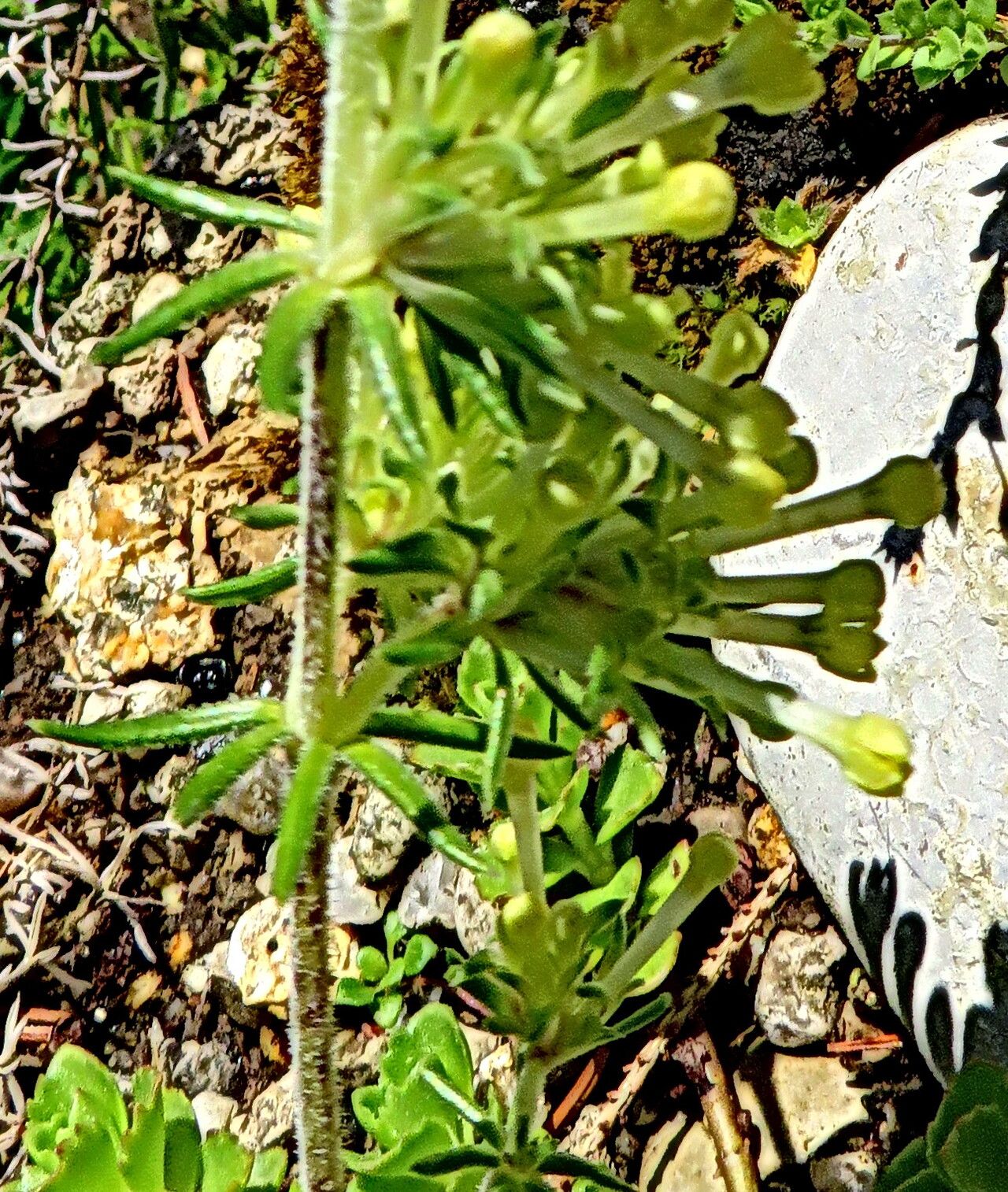
Hello fellow plant lovers!
I’m thrilled to talk to you today about a little gem that’s become a real favorite of mine: Asperula glomerata. You might know it as woodruff, and it’s just stunning with its delicate, star-shaped white flowers and sweet, hay-like scent when dried. It’s a wonderful groundcover for shady spots, weaving through other plants beautifully. Propagating it is really a joy, and honestly, it’s quite a forgiving plant, making it a great choice even if you’re just starting your propagation journey.
The Best Time to Start
For the best success with Asperula glomerata, I’ve found that mid-spring is absolutely ideal. This is when the plant is actively growing after the winter dormancy, and cuttings or divisions taken now have plenty of energy to establish themselves. Aim for when the plant is showing new shoot growth.
Supplies You’ll Need
Gathering your tools beforehand makes the whole process smoother. Here’s what I usually have on hand:
- Sharp, clean pruning shears or a sharp knife: Essential for making clean cuts.
- Pots or seed trays: Small ones are perfect for starting.
- Potting mix: A good quality, well-draining potting mix is key. I often use a blend of peat moss, perlite, and coir. For woodruff, sometimes adding a little extra perlite helps ensure it doesn’t get waterlogged.
- Rooting hormone (optional but recommended): This can give your cuttings a helpful boost.
- Watering can or spray bottle: For gentle watering.
- Labels: So you don’t forget what you’ve planted!
- Plastic bag or propagation dome: To create a humid environment for cuttings.
Propagation Methods
Asperula glomerata is wonderfully straightforward to propagate. Here are a couple of methods I rely on:
Stem Cuttings
This is my go-to method for multiplying woodruff. It’s efficient and usually gives a great strike rate.
- Take your cuttings: In mid-spring, select healthy, non-flowering stems from your established plant. Using your clean shears, cut stems that are about 3-4 inches long. Make the cut just below a leaf node (where a leaf attaches to the stem).
- Prepare the cuttings: Gently remove the lower leaves from the stem, leaving just a few at the top. If your cuttings are long, you can cut them in half horizontally just above a leaf node.
- Apply rooting hormone: Dip the cut end of each stem into your rooting hormone, tapping off any excess.
- Pot them up: Fill your small pots or trays with the well-draining potting mix. Make a small hole in the center with your finger or a pencil.
- Insert the cuttings: Carefully place each prepared cutting into the hole, ensuring the leaf nodes are buried in the soil. Gently firm the soil around the stem.
- Water gently: Water the soil thoroughly but gently, making sure not to disturb the cuttings.
- Create humidity: Cover the pots with a plastic bag or propagation dome. This traps moisture and keeps the cuttings from drying out. You can poke a few small holes in the bag for a little air circulation.
Division
For a quicker way to get larger plants, dividing an established clump is fantastic.
- Prepare the plant: Water your Asperula glomerata plant a day or two before you plan to divide it. This helps it recover from the disturbance.
- Gently lift the clump: Carefully dig around the edges of the plant and lift the entire clump from the ground or pot.
- Separate the divisions: Gently tease apart the root ball with your hands or use your knife to cut through it. Aim for divisions that have a good clump of roots and several healthy shoots.
- Replant immediately: Plant the divisions into prepared pots or directly into their new garden locations. Ensure they are planted at the same depth as they were before. Water them well.
The “Secret Sauce” (Pro Tips)
Here are a few little tricks I’ve learned over the years that really make a difference:
- Don’t overcrowd the cuttings: Give each cutting a bit of space in the pot or tray. This allows for better air circulation, which is crucial for preventing rot. If you’re using a propagation dome, make sure the leaves aren’t pressing against the plastic.
- Bottom heat is a game-changer: While not strictly necessary, placing your potted cuttings on a shallow tray of warm water or a heat mat designed for seedlings can significantly speed up root development. It mimics the warmth of spring soil and gives those roots a real incentive to grow.
- Be patient with the water propagation (if you try it): While I prefer soil for woodruff, if you do decide to try water propagation with cuttings, ensure absolutely no leaves are submerged. Even one leaf in the water can quickly lead to rot. Change the water every few days.
Aftercare & Troubleshooting
Once your cuttings have developed a good root system (you can check by gently tugging on them – if there’s resistance, roots have formed!), or your divisions are replanted, it’s time for a little tender loving care.
- Gradual acclimatization: If you’ve used a plastic bag or dome, gradually reduce the humidity by opening the bag or dome for longer periods each day before removing it entirely. This helps the young plants adjust to drier air.
- Consistent moisture: Keep the soil consistently moist but not waterlogged. Young plants, especially those grown from cuttings, can be more susceptible to drying out.
- Light: Place your new plants in a bright spot out of direct, harsh sunlight. Dappled shade or bright, indirect light is perfect.
- Signs of trouble: The most common issue you might encounter is rot. If you see stems turning mushy and brown, it’s usually a sign of too much moisture and not enough air. If a cutting fails to root and looks limp and brown, it’s best to discard it and try again. Overwatering is the usual culprit.
A Sweet Ending
Propagating Asperula glomerata is such a rewarding way to expand your garden or share these lovely plants with friends. Remember that patience is truly a gardener’s virtue. Not every cutting or division will be a success, and that’s perfectly okay! Each attempt is a learning experience. Enjoy the process, get your hands in the soil, and soon you’ll have even more of this delightful woodruff brightening your shady corners. Happy propagating!
Resource:
https://identify.plantnet.org/k-world-flora/species/Asperula%20glomerata%20(M.Bieb.)%20Griseb./data