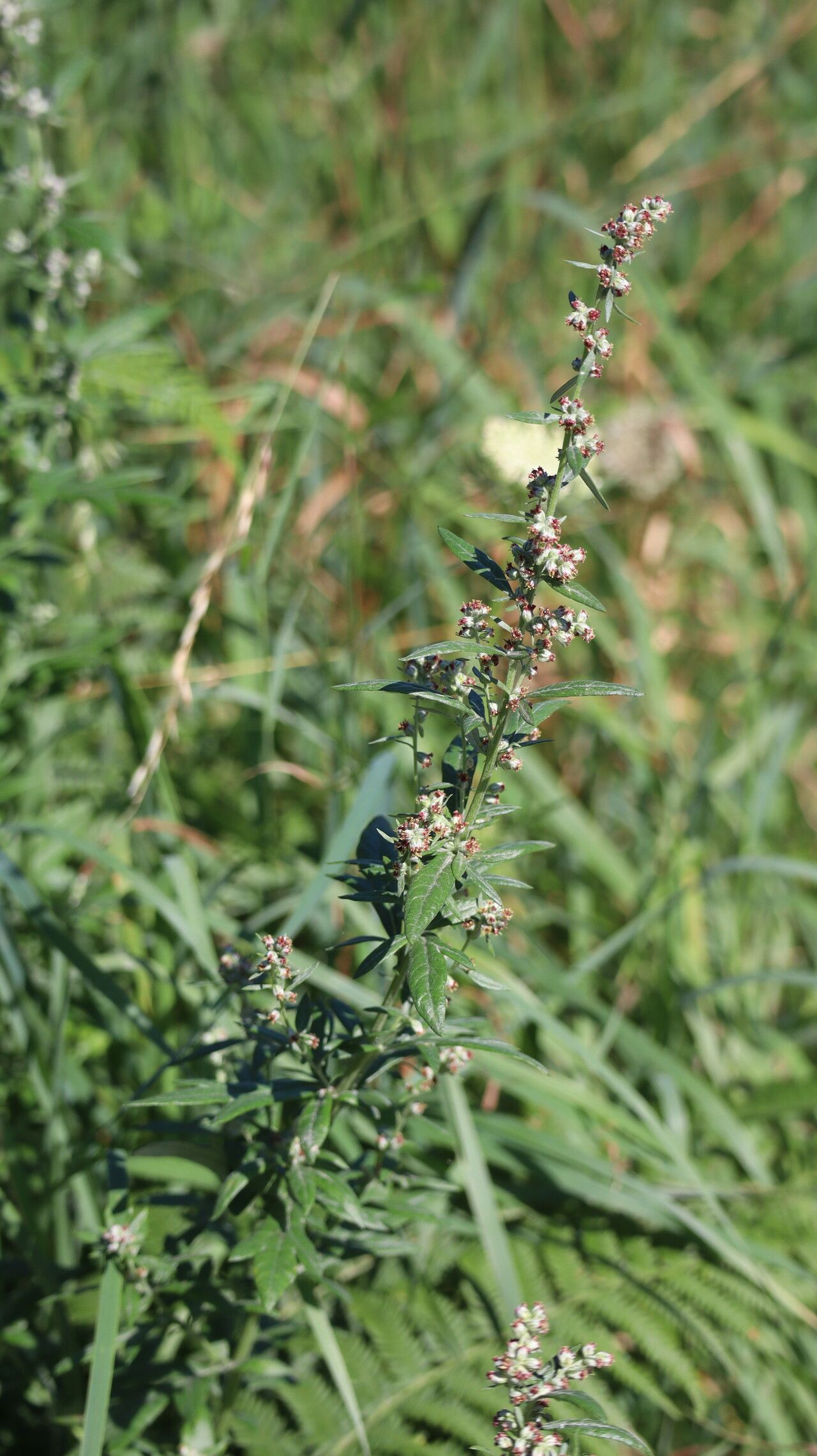
Hello my fellow plant enthusiasts! Let’s talk about a wonderful herb that deserves a spot in almost every garden: Artemisia argyi, also known as Chinese Mugwort. This plant is a dream! It has these beautiful, silvery-green leaves with a delightful aroma, and it’s surprisingly tough once established. Plus, it’s fantastic for all sorts of DIY projects, from herbal teas to natural pest repellents. Propagating Artemisia argyi is a wonderfully rewarding way to expand your collection, and trust me, it’s a pretty beginner-friendly endeavor.
The Best Time to Start
For the absolute best chance of success with Artemisia argyi, I always reach for softwood or semi-hardwood cuttings. The late spring or early summer is your sweet spot. This is when the plant is actively growing and has plenty of healthy, pliable stems. You can also have good luck with cuttings taken in early autumn before the first hard frost, though the rooting process might be a tad slower. Avoid taking cuttings from old, woody stems – they’re much less likely to form roots.
Supplies You’ll Need
Gathering your supplies beforehand makes the whole process smoother. Here’s what I keep on hand:
- Clean, sharp pruning shears or a sharp knife: Essential for making clean cuts.
- Rooting hormone (powder or gel): While not strictly necessary for Artemisia argyi, it can give your cuttings a nice boost and speed up the rooting process.
- Well-draining potting mix: A good blend for me is equal parts peat moss or coco coir, perlite, and a bit of coarse sand. This prevents waterlogging.
- Small pots or containers: I love using seedling trays or small plastic pots with drainage holes.
- Plastic bags or a propagation dome: To create a humid microclimate.
- Labels: Always label your cuttings! You’ll thank yourself later.
- Watering can or spray bottle: For gentle watering.
Propagation Methods
I find two methods work wonders for Artemisia argyi: stem cuttings and division.
Stem Cuttings
This is my go-to method for multiplying my mugwort.
- Take cuttings: Choose healthy, vigorous stems. Using your clean pruners, take cuttings that are about 4-6 inches long. Make your cut just below a leaf node (where a leaf attaches to the stem).
- Prepare the cuttings: Gently remove the lower leaves, leaving just a couple at the top. If your cuttings are quite long, you can even halve them at the top node. This reduces water loss.
- Apply rooting hormone: Dip the cut end of each stem into your rooting hormone, tapping off any excess.
- Plant the cuttings: Fill your pots or trays with your prepared potting mix. Use a pencil or your finger to make a small hole in the center of each pot.
- Insert the cuttings: Gently push the prepared cuttings into the holes, ensuring at least one leaf node is buried in the soil. Firm the soil gently around the stems.
- Water and cover: Water the soil thoroughly but gently, making sure it’s moist but not soggy. Then, cover the pots with a plastic bag or a propagation dome to create humidity. Place them in a bright spot, but out of direct sunlight.
Division
If you have an established clump of Artemisia argyi, division is a quick and easy way to get new plants.
- Dig up the plant: In spring or early fall, carefully dig up your Artemisia argyi clump. Try to get as much of the root ball as possible.
- Separate the root ball: Gently shake off excess soil. You should be able to divide the clump into several sections with your hands. If it’s a bit stubborn, a clean trowel or even a spade can help. Make sure each section has plenty of healthy roots and some leafy shoots.
- Replant immediately: Plant the divisions directly into your garden beds or into pots filled with your well-draining potting mix. Water them in well.
The “Secret Sauce” (Pro Tips)
Here are a few tricks I’ve learned over the years that really give your Artemisia argyi propagation a leg up:
- Don’t let the leaves touch the water (if using water prop): While some plants root well in just water, for Artemisia argyi cuttings, it’s best to stick to soil. If you are trying water propagation for any reason, make sure only the stem is submerged, not the leaves. Leaves in water tend to rot and can take the whole cutting down with them.
- Bottom heat is your friend: If you have a heat mat designed for seedlings, this is a fantastic way to speed up root development, especially if you’re propagating in cooler weather. The warmth encourages the plant to send out roots.
- Fresh cuttings are key: Always try to take your cuttings when the plant is actively growing and water is plentiful within the stems. Stale cuttings are much less likely to root.
Aftercare & Troubleshooting
Once your cuttings have rooted (you’ll know because they’ll start producing new growth and resist a gentle tug), it’s time for a bit of tender loving care.
- Acclimatize: Gradually remove the plastic bag or dome over a few days to help your new plants adjust to normal room humidity.
- Repot: Once the new plants are a few inches tall and have a good root system, you can transplant them into larger pots or their permanent garden location.
- Watering: Keep the soil consistently moist but not waterlogged. As they establish, Artemisia argyi becomes quite drought-tolerant.
Now, what if things go wrong? The most common culprit is rot. This usually happens from overwatering or poor drainage, leading to mushy, discolored stems and a foul smell. If you spot rot, sadly, that cutting is likely lost. The best approach is to prevent it by using that well-draining soil and not overwatering. Another sign of failure is if the cuttings simply wilt and dry out. This can happen if they’re not getting enough humidity or if the original cutting was too old and woody.
A Bit of Patience Goes a Long Way
Propagating plants is a bit like waiting for a flower to bloom – it requires a sprinkle of patience and a dash of faith. Don’t be discouraged if not every cutting takes. Celebrate the ones that do, and learn from any that don’t. The joy of watching a tiny sprig transform into a thriving new plant is truly special. Happy propagating, and enjoy your beautiful, fragrant Artemisia argyi!
Resource:
https://identify.plantnet.org/k-world-flora/species/Artemisia%20argyi%20H.Lév.%20&%20Vaniot/data