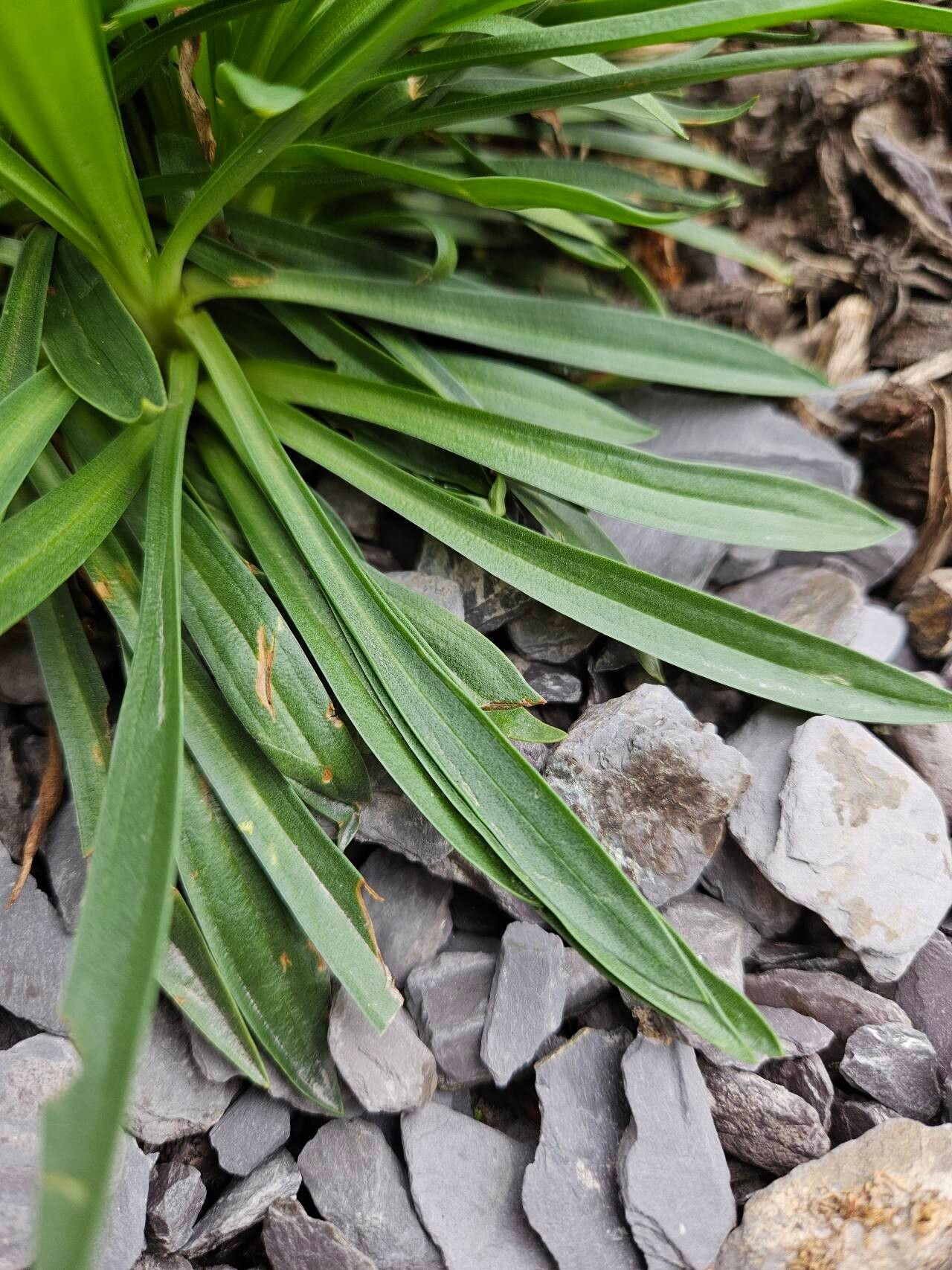
Hello, fellow garden enthusiasts! It’s so good to have you here. Today, we’re diving into propagating Armeria pubinervis, a truly delightful plant that brings so much charm to the garden. With its delightful clusters of pink, often spherical flowers, and its tidy, grass-like foliage, it’s a real standout, especially in drier, more informal garden settings. Wanting to expand your collection or share these beauties with friends? Propagating them yourself is incredibly rewarding. For newcomers to the plant propagation world, I’d say Armeria pubinervis is a moderately easy plant to work with – requiring a little mindful attention, but definitely achievable with these tips.
The Best Time to Start
In my experience, the sweet spot for propagating Armeria pubinervis is generally late spring to early summer. This is when the plant is actively growing and has plenty of healthy, semi-hardwood stems to work with. Starting after the plant has finished its main flush of blooms is also a good option, as it allows you to harvest cuttings from vigorous new growth.
Supplies You’ll Need
Gathering your tools before you begin makes the whole process much smoother. Here’s what I usually have on hand:
- Sharp pruning shears or a clean, sharp knife: For making clean cuts.
- Potting mix: A well-draining mix is crucial. I often use a blend of equal parts seed-starting mix and perlite, or a specific cactus and succulent mix.
- Small pots or seed trays: With drainage holes, of course!
- Rooting hormone (optional but recommended): A powder or gel form helps stimulate root development.
- A water mister or spray bottle: For keeping cuttings hydrated.
- Plastic bags or a propagator: To create a humid environment.
- Gravel or small stones: For the bottom of pots if doing water propagation.
- Hand lens (helpful for checking roots): Not essential, but handy!
Propagation Methods
Let’s get our hands dirty! Here are the methods I find most successful for Armeria pubinervis:
Stem Cuttings
This is often my go-to for increasing my stock of these lovely plants.
- Take Your Cuttings: In late spring or early summer, select healthy, non-flowering shoots. Aim for cuttings about 3-4 inches long. Using your sharp shears, make a clean cut just below a leaf node (where a leaf attaches to the stem). Remove any lower leaves, leaving just a few at the top.
- Prepare the Cuttings: Dip the cut end of each cutting into rooting hormone, tapping off any excess. This step isn’t strictly necessary, but it significantly increases your chances of success.
- Plant the Cuttings: Fill your pots or trays with your prepared, moistened potting mix. Make a small hole with a pencil or your finger and insert the cutting, ensuring at least one leaf node is buried in the soil. Gently firm the soil around the stem.
- Create Humidity: Water the soil lightly. Then, cover the pots with a clear plastic bag (propping it up with stakes so it doesn’t touch the leaves) or place them in a propagator. This creates a mini-greenhouse effect.
Division
If your Armeria pubinervis is already a mature clump, division is a fantastic way to get more plants and also refresh your existing one.
- Gently Uproot: In early spring or late autumn, carefully dig up the entire plant.
- Examine the Root Ball: Gently shake off excess soil. You’re looking for natural divisions within the clump, where sections have their own established roots and shoots.
- Separate the Divisions: Using your hands or a clean knife, carefully pull or cut the clump apart into smaller sections. Make sure each division has a healthy amount of roots and at least a few shoots.
- Replant: Immediately replant the divisions into well-draining soil, watering them in thoroughly.
The “Secret Sauce” (Pro Tips)
Here are a few little tricks I’ve learned over the years that make a big difference:
- Don’t Let Leaves Touch the Water (if using): If you try a water propagation method (less common for Armeria but sometimes possible), which I generally avoid for this plant, it’s crucial that no leaves are submerged. Leaves in water tend to rot quickly, which isn’t what you want! For stem cuttings in soil, this isn’t an issue as long as you have good air circulation.
- Bottom Heat is Your Friend: While not absolutely essential, placing your pots on a heated propagator mat can really speed up the rooting process for stem cuttings. Armeria likes it a bit warmer to get those roots going.
- Observe, Don’t Disturb: Resist the urge to constantly tug at your cuttings to see if they have roots. This can break delicate new root hairs. Wait at least 3-4 weeks, and then give a very gentle tug. If there’s resistance, you’ve got roots!
Aftercare & Troubleshooting
Once your cuttings have happily rooted (you’ll usually see new growth starting), it’s time to transition them.
- Acclimatization: Gradually remove the plastic bag or open the propagator vents over a few days before removing them completely. This helps the young plants adjust to normal humidity levels.
- Watering: Keep the soil consistently moist but not waterlogged. Allow the surface of the soil to dry slightly between waterings.
- Light Requirements: Place your new plants in a bright location with indirect sunlight. Avoid direct, scorching sun when they are still young and tender.
- Troubleshooting Rot: The most common issue you’ll encounter is rot. This usually happens from too much moisture and poor drainage. Ensure your soil is always well-draining, and don’t overwater. If you spot mushy, blackened stems, sadly, that cutting is likely lost. Discard it to prevent the rot from spreading to other cuttings. Another sign of trouble is wilting before rooting – this can also indicate insufficient moisture or damage to the cutting.
A Encouraging Closing
Propagating plants, like growing any garden, is a journey. There will be successes and perhaps a few learning experiences along the way. Be patient with your Armeria pubinervis cuttings, nurture them with care, and I promise, the joy of seeing those tiny roots develop and new plants emerge is absolutely worth it. Happy propagating!
Resource:
https://identify.plantnet.org/k-world-flora/species/Armeria%20pubinervis%20Boiss./data