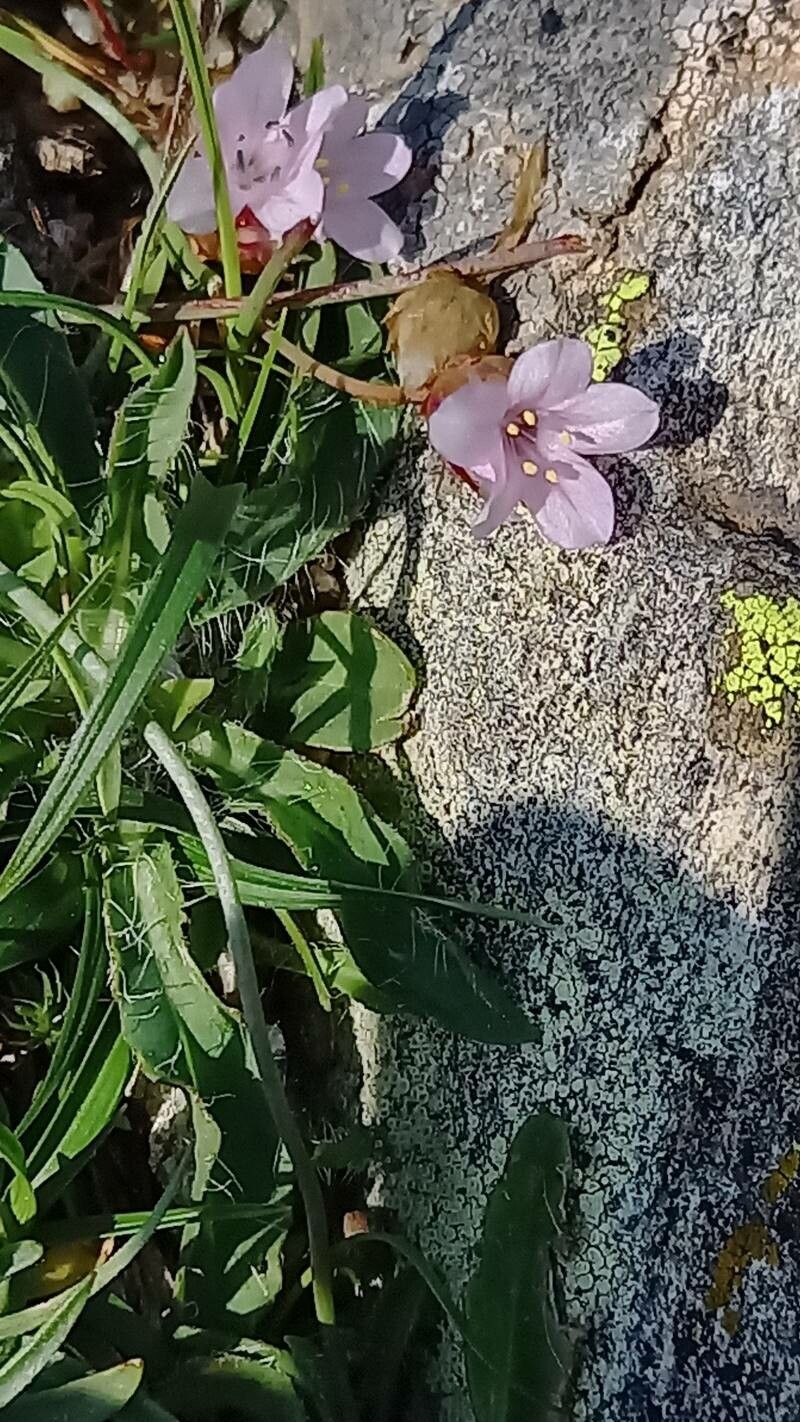
Well hello there, fellow plant enthusiast! It’s so lovely to have you join me in my little corner of the garden world. Today, we’re diving into the delightful task of propagating Armeria leucocephala, or as it’s commonly known, Snow-white Thrift.
Your New Favorite Cushion Plant
There’s just something about Armeria leucocephala that captures the heart, isn’t there? Its neat, grassy mounds are topped with the daintiest white pompom flowers that seem to glow in the sunlight. It’s the perfect plant for rock gardens, borders, or even just a charming little pot on the patio. And the best part? Bringing more of these beauties into your life through propagation is surprisingly accessible! Don’t let the fancy name intimidate you; propagating these charmers is quite forgiving, even for those just starting their green-thumb journey.
When to Get Your Hands Dirty
For the best chance of success with Armeria leucocephala, I always reach for my tools in late spring or early summer. This is when the plant is actively growing and has plenty of energy to put into developing new roots. Wait until after the main flush of flowering has passed, and you’ll find your cuttings are much more robust.
Gather Your Garden Goodies
Before we get started, let’s make sure we have everything we need. A little preparation goes a long way!
- Sharp pruning shears or a clean knife: For making nice, clean cuts.
- Rooting hormone (optional but helpful): Especially for stem cuttings.
- Well-draining potting mix: A cactus or succulent mix works beautifully here. You can also make your own by mixing equal parts potting soil, perlite, and coarse sand.
- Small pots or trays: With drainage holes, of course!
- Watering can or spray bottle: For gentle watering.
- Small label or plant marker: To remember what you planted where!
Let’s Get Propagating!
While you could technically try to start Armeria leucocephala from seed, division is by far the easiest and most rewarding method for this particular plant. It’s essentially creating miniature versions of your existing clumps.
Division – The Tried and True Method:
- Gently excavate: With a trowel, carefully dig around the base of your established Armeria leucocephala. You want to lift the entire plant from its pot or garden bed.
- Loosen the roots: Gently shake off some of the excess soil. You’ll see the main clump. Now, this is where you get to be a plant surgeon!
- Divide and conquer: Using your hands or a clean knife, gently pull apart the clump into smaller sections. Aim for divisions that have a healthy root system attached and at least a few leafy shoots. Don’t be afraid if a few roots break; they’ll grow back. Over-enthusiastic sawing with a knife is rarely necessary here.
- Pot them up: Fill your small pots with your well-draining mix. Make a little hole in the center and plant each division, ensuring the roots are covered and the base of the shoots is at soil level.
- Water gently: Give them a light watering to settle the soil around the roots.
The “Secret Sauce” from My Garden to Yours
Here are a few little tricks I’ve learned over the years that really boost your propagation success:
- Don’t drown them! Armeria leucocephala absolutely detests soggy roots. Water thoroughly after potting, then let the soil dry out slightly between waterings. It’s better to err on the side of underwatering than overwatering when these little ones are establishing.
- A little warmth goes a long way. While not strictly necessary, placing your newly potted divisions on a heat mat can significantly speed up root development. Just make sure it’s set to a gentle warmth, not scorching hot.
- Think good air circulation. While you want to keep the soil from drying out too quickly, avoid covering your pots with plastic domes for extended periods, as this can encourage fungal issues. Good airflow is key to preventing rot.
Aftercare and What to Watch For
Once your divisions are happily settled in their new homes, keep them in a spot that gets bright, indirect light. Avoid harsh midday sun for the first few weeks. Continue with that slightly-dry-then-water approach.
You’ll know your cuttings have taken root when you see new growth appearing, or if you give one a very gentle tug and feel a bit of resistance. This usually takes about 4-6 weeks.
The most common issue you might encounter is rot. If you see leaves turning yellow and mushy, or the base of the plant becoming soft and black, it’s usually a sign of too much moisture. In this case, you might need to unpot them, trim away any rotted bits, and let them callus for a day before repotting in fresh, dry soil.
Happy Gardening, My Friends!
Propagating Armeria leucocephala is a wonderful way to multiply these charming plants and share them with friends (who will undoubtedly ask where you got them!). Be patient with your new additions. Gardening is all about observation, learning, and enjoying the process, one little green shoot at a time. Happy propagating!
Resource: