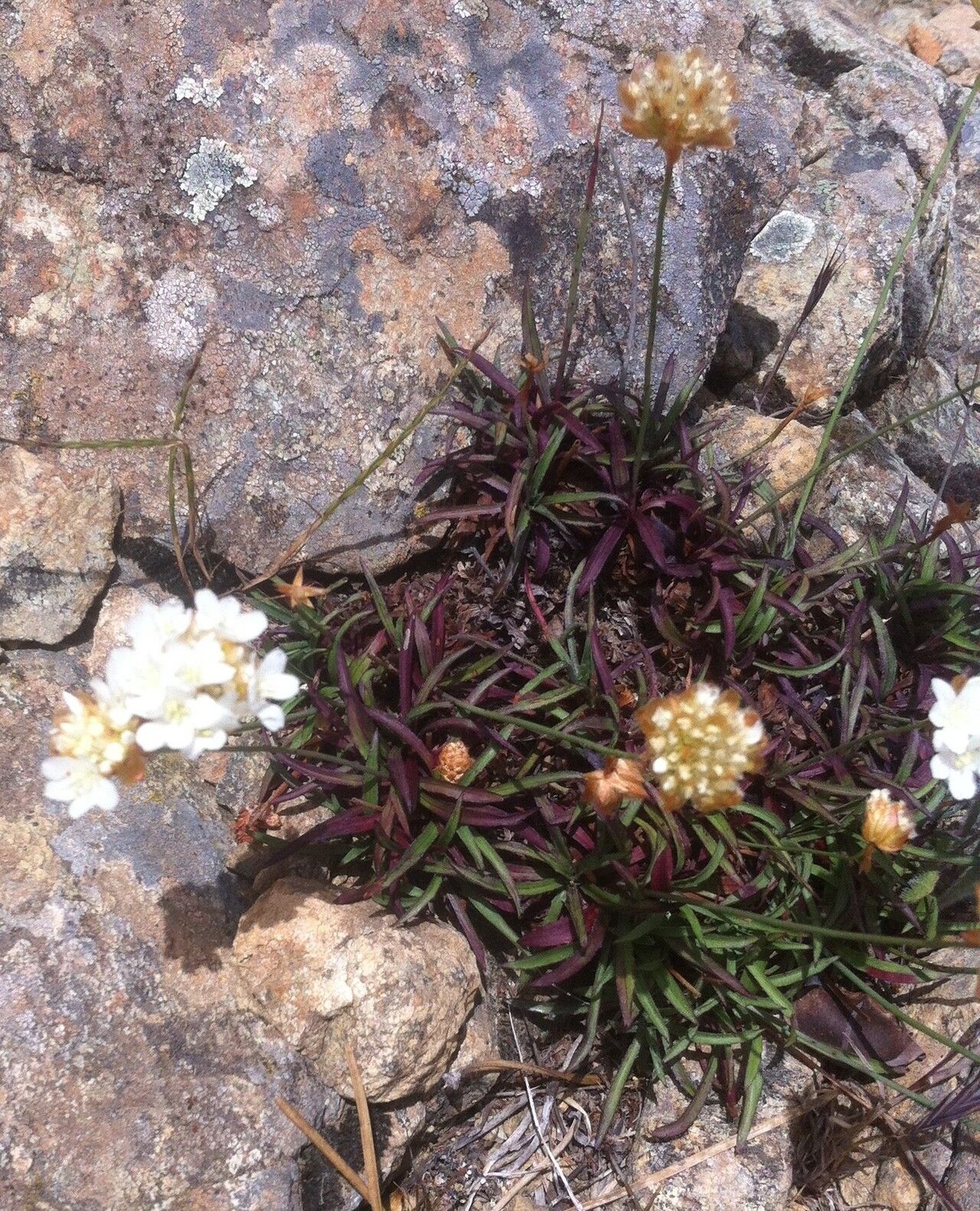
Hello fellow garden enthusiasts! If you’ve ever admired those charming little mounds of colorful flowers, often found hugging rocky slopes or lining garden paths, chances are you’ve met Armeria colorata. Also known by its common name, Sea Pink or Thrift, this tough-as-nails beauty is a real trooper. Its delicate, pom-pom-like blooms burst forth in shades of pink, white, and sometimes even deep red, adding a delightful splash of color to the landscape.
Now, if you’re thinking about getting more of these cheerful plants for your own garden, good news! Propagating Armeria colorata is a wonderfully rewarding process, and I’m happy to say, it’s quite beginner-friendly. You don’t need a fancy greenhouse or years of experience to get started.
The Best Time to Start
For the highest success rate with Armeria colorata, I always recommend starting in late spring or early summer. This is when the plant is actively growing and has plenty of energy for new beginnings. You’ll be taking cuttings from healthy, vigorous shoots that have started to emerge after the main flowering flush.
Supplies You’ll Need
Gathering your supplies before you begin makes the whole process so much smoother. Here’s what I like to have on hand:
- Sharp pruning shears or a clean, sharp knife: For taking precise cuttings.
- Rooting hormone (optional but recommended): Helps speed up root development.
- Potting mix: A light, well-draining mix is crucial. I often use a blend of equal parts perlite, peat moss, and coarse sand. You can also buy specialized seedling or succulent mixes.
- Small pots or trays: Clean containers with drainage holes are essential.
- Plastic bags or a propagation dome: To maintain humidity around the cuttings.
- Watering can or spray bottle: For gentle watering.
Propagation Methods
Armeria colorata is remarkably adaptable, and I find division and stem cuttings to be the most reliable and straightforward methods.
Method 1: Division (My Personal Favorite!)
This is the easiest way to multiply your Armeria colorata.
- When to Divide: The best time to divide is after flowering, usually in late spring or early summer, or in early autumn. You want to catch it when it’s not too stressed by extreme heat or cold.
- Gently Excavate: Carefully dig up the entire plant from its spot. Be gentle with the roots.
- Inspect and Separate: Look at the clump. You’ll see that it naturally has multiple rosettes growing together. Gently tease these apart with your hands or a trowel. If there are particularly woody or tough sections, you might need to use your sharp knife to make clean cuts. The goal is to have smaller clumps, each with its own roots and a few leafy shoots.
- Replant Immediately: Plant the divisions in their new locations or into pots filled with your well-draining potting mix. Water them in well. They might look a little sad for a few days, but they usually bounce back quickly.
Method 2: Stem Cuttings
This method gives you more “new” plants from one mother plant.
- Take Your Cuttings: In late spring or early summer, look for healthy, non-flowering shoots that are about 3-4 inches long. Using your sharp shears or knife, make a clean cut just below a leaf node (where a leaf attaches to the stem).
- Prepare the Cuttings: Gently remove the lower leaves from the cutting, leaving only the top 2-3 sets of leaves. This prevents the lower leaves from rotting in the soil.
- Apply Rooting Hormone (Optional): If you’re using rooting hormone, dip the cut end of the stem into the powder, tapping off any excess. Follow the instructions on your rooting hormone packaging.
- Plant the Cuttings: Fill your small pots or trays with your well-draining potting mix. Make a small hole in the center of each pot with a pencil or your finger. Insert the cut end of the Armeria cutting into the hole, ensuring it’s deep enough to stand upright. Gently firm the soil around the base of the cutting.
- Provide Humidity: Water the cuttings gently. Then, cover the pots with clear plastic bags or place them under a propagation dome. This creates a humid environment that helps the cuttings from drying out before they can form roots. You can support the plastic bag with stakes so it doesn’t touch the leaves.
The “Secret Sauce” (Pro Tips)
Here are a couple of things I’ve learned over the years that really make a difference:
- Bottom Heat is Your Friend for Cuttings: While not strictly necessary, placing your pots with cuttings on a gentle heat mat can significantly speed up root formation. It mimics the warmth of spring and encourages those roots to get going. Just make sure it’s not too hot – warm to the touch is perfect.
- Don’t Let Water Sit: For any cuttings you have in pots, ensure good drainage. Rot is the biggest enemy of new plantlets. If you’re doing water propagation (though I find it less reliable for Armeria than division or cuttings in soil), make sure none of the leaves are submerged. Change the water regularly.
Aftercare & Troubleshooting
Once your Armeria divisions or cuttings show signs of rooting – usually new leafy growth – it’s time for a little extra care.
- Acclimatize: Gradually remove the plastic covering from your cuttings over a few days to get them used to normal humidity.
- Watering: Keep the soil consistently moist but not soggy. Water when the top inch of soil feels dry.
- Light: Place them in a bright spot with indirect sunlight. Avoid intense, direct sun, which can scorch newly formed plants.
- Potting Up: Once the new plants have a good root system (you can gently check by tugging on them; they should offer resistance), it’s time to transplant them into slightly larger pots or their permanent garden spots.
Troubleshooting: The most common issue you’ll encounter is rot. If your cuttings turn mushy and black at the base, it’s likely due to too much moisture and poor air circulation. If a division looks like it’s wilting excessively, ensure it’s not drying out but also that it’s not sitting in waterlogged soil. Sometimes, a plant just needs a bit more time, so don’t get discouraged if progress is slow.
A Encouraging Closing
Propagating Armeria colorata is a delightful way to expand your collection of these charming plants. Whether you choose the ease of division or the satisfaction of coaxing new life from cuttings, the key is patience and a little bit of gentle care. Enjoy watching your new little sea pinks take hold and bloom – it’s a gardening reward that truly feels earned! Happy growing!
Resource:
https://identify.plantnet.org/k-world-flora/species/Armeria%20colorata%20Pau/data