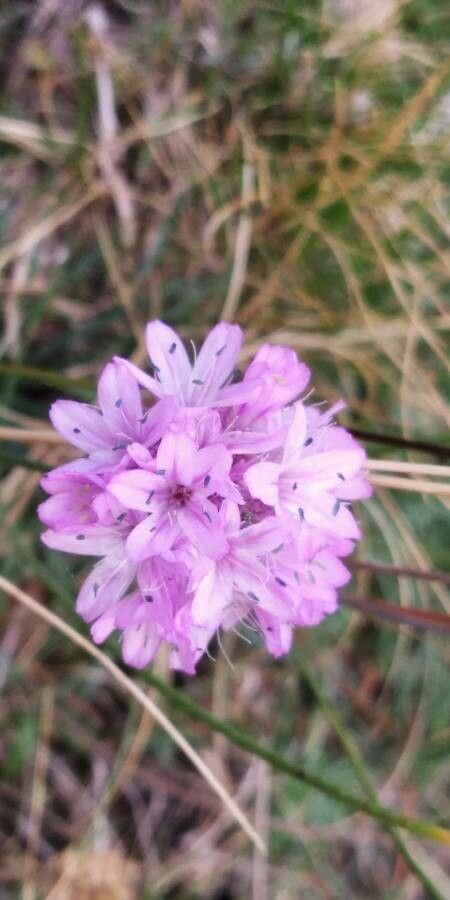
Oh, Armeria bigerrensis! What a darling little plant. If you’ve ever seen those lovely tufted mounds of grassy foliage topped with cheerful, pinkish-red blooms, you know what I mean. They bring such a delightful color pop, especially to rock gardens or the edges of borders. And the best part? They’re not fussy! Propagating them is a really satisfying way to get more of these beauties for your own garden, or to share with fellow plant lovers. Honestly, I find them quite forgiving, even for folks just dipping their toes into the world of propagation.
When to Get Your Hands Dirty
The sweet spot for propagating Armeria bigerrensis is generally in the late spring or early summer, after the plant has finished its main flush of flowering. This is when the stems have started to mature a bit but are still flexible enough to root well. Waiting until the plant is actively growing gives it a nice energy boost for putting out those new roots.
What You’ll Need to Gather
Before we dive in, let’s make sure you have your toolkit ready. It’s pretty straightforward, but having everything on hand makes the whole process smoother:
- Sharp, clean pruning shears or a craft knife: Cleanliness is key here to prevent disease.
- Small pots or seed trays: Something with drainage holes, of course.
- A good potting mix: I like a well-draining mix. You can buy a commercial seedling mix or create your own by combining peat moss (or coir), perlite, and a bit of sand.
- Rooting hormone (optional but recommended): This little powder or gel can really speed things up and improve your success rate.
- A watering can with a fine rose: For gentle watering.
- Labels and a pen: To keep track of what you’ve planted!
- A clear plastic bag or propagator lid: To create a humid environment.
Let’s Get Propagating!
I find division to be the easiest and most reliable method for Armeria bigerrensis, especially for beginners.
Method: Division
- Prepare your plant: Gently dig up your established Armeria bigerrensis. It’s best to do this when the soil is slightly moist, as this makes it easier on the roots.
- Examine the root ball: You’ll notice that Armeria often forms dense clumps. Carefully inspect the base of the plant. You’re looking for distinct sections, each with its own roots and shoots.
- Divide the clump: Using your hands or a clean knife, gently pull or cut the clump apart into smaller sections. Aim for divisions that have at least a few shoots and a decent amount of root attached. Don’t worry if it’s not perfectly neat; the plant is tough!
- Replant immediately: Pot each division into its own pot filled with your well-draining potting mix. Make sure the base of the plant is at soil level.
- Water gently: Give the newly potted divisions a good but gentle watering to settle the soil around the roots.
Honestly, that’s it for division! It’s so straightforward.
My “Secret Sauce” Tips
Over the years, I’ve learned a few little tricks that can make a difference.
- Don’t waterlog: Armeria absolutely hates soggy feet. Ensure your potting mix is airy and drains freely. If you’re new to this, a little extra perlite in your mix is always a good idea.
- Think humidity, not drowning: When you’re propagating cuttings (if you decide to try that method later), keeping the leaves out of the water is crucial. For divisions, focus on keeping them consistently moist but not waterlogged.
Aftercare and What to Look For
Once your divisions are potted up, give them a good spot out of direct, harsh sunlight. A bright windowsill or a sheltered spot in the garden (if the weather is warm enough) is perfect.
Keep the soil consistently moist but not soggy. You’ll start to see new growth emerging within a few weeks to a couple of months, which is a sure sign that the roots are establishing themselves.
If you notice wilting that doesn’t improve with watering, or if the leaves start to turn yellow and mushy, it could be a sign of rot. This usually means there’s too much moisture or not enough air circulation. In this case, you might need to repot using fresh, drier mix and be more careful with your watering.
Go Forth and Multiply!
So there you have it! Propagating Armeria bigerrensis is a lovely, rewarding endeavor. Don’t be discouraged if your first attempt isn’t absolutely perfect. Nature has its own rhythm, and part of the joy is in the process and learning from each experience. Be patient, enjoy the journey, and soon you’ll have a whole cluster of these charming little plants to admire!
Resource: