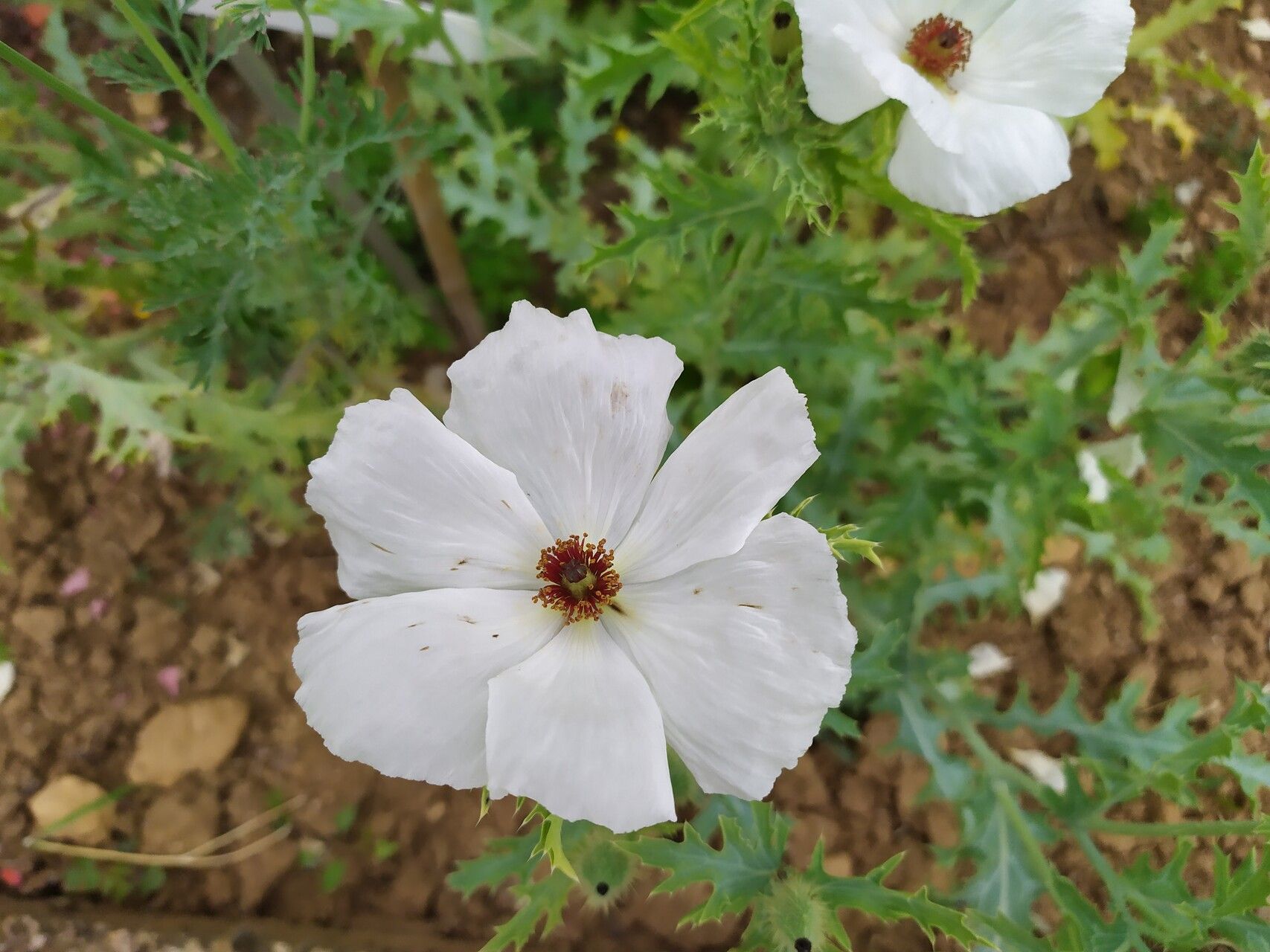
Hello fellow garden enthusiasts! It’s so good to have you here. Today, I want to talk about a plant that’s been a quiet delight in my own garden for years: Argemone albiflora, or the white prickly poppy. Its delicate, papery white blooms, often with sunny yellow centers, are simply breathtaking against its often spiny, silvery foliage. It has a certain wild beauty that I just adore.
If you’re looking to add more of these beauties to your garden or share them with friends, you’ll be happy to know that propagating Argemone albiflora is surprisingly rewarding, and not as intimidating as you might think. It’s a wonderful plant for beginners looking to dip their toes into the world of propagation!
The Best Time to Start
I’ve found that the spring and early summer are your golden windows for propagating Argemone albiflora. This is when the plant is actively growing and has plenty of energy to put into rooting. Waiting until your plant has finished its main flowering flush, but before the intense heat of mid-summer sets in, is usually the sweet spot. You want healthy, vigorous growth to work with.
Supplies You’ll Need
Here’s what I keep handy when I’m propagating:
- Sharp, clean pruning shears or a sharp knife: For making clean cuts.
- Rooting hormone (optional but recommended): A powdered or liquid form helps encourage root development.
- A well-draining potting mix: I usually go for a 50/50 blend of perlite and coco coir, or a good quality seed-starting mix.
- Small pots or propagation trays: With drainage holes, of course!
- A watering can with a fine rose: To water gently.
- Plastic bags or a propagation dome: To create a humid environment.
Propagation Methods
While Argemone albiflora can be grown from seed, I find that taking stem cuttings is generally the most reliable and straightforward method for increasing your plant stock.
Stem Cuttings:
- Select your parent plant. Look for a healthy, established plant that’s actively growing.
- Take your cuttings. Using your clean shears, cut a piece of healthy stem about 4-6 inches long from a non-flowering shoot. Make your cut just below a leaf node (where a leaf attaches to the stem).
- Prepare the cutting. Gently remove any lower leaves, leaving just two or three at the top. If you’re using rooting hormone, lightly dip the cut end into it, shaking off any excess.
- Plant the cutting. Make a small hole in your prepared potting mix and insert the cut end of the stem. Firm the soil gently around it.
- Create humidity. Water the soil lightly. Then, cover the pot with a plastic bag or place it under a propagation dome. This will keep the humidity high, which is crucial for cuttings to root.
- Find a good spot. Place the pot in a bright location that receives indirect sunlight. Avoid direct sun, as it can scorch the tender cuttings.
The “Secret Sauce” (Pro Tips)
Here are a couple of things I’ve learned over the years that really make a difference:
- Don’t rush the water. When you water your cuttings, let the soil settle and drain thoroughly. Overwatering is the quickest way to invite rot, and we certainly don’t want that!
- A little warmth goes a long way. If you have a heat mat for seedlings, you can place your propagation pots on it. This gentle bottom heat can significantly speed up the rooting process. It mimics that lovely warm soil feeling early in the season.
Aftercare & Troubleshooting
Once you see signs of new growth, like tiny leaves emerging, it’s a good indication that your cutting has rooted. You can gently tug on the cutting – if there’s resistance, roots are forming!
Continue to keep the soil moist but not soggy. As the new plant grows stronger, you can gradually introduce it to more direct light. If you notice any cuttings wilting and not responding to watering, or if they turn mushy or black at the base, it’s likely they’ve succumbed to rot. Don’t be discouraged; just remove the affected cutting and try again with fresh material. Patience is key!
A Encouraging Closing
Propagating plants is a journey, and with Argemone albiflora, it’s a particularly beautiful one. Be patient with your cuttings, observe them closely, and celebrate every little success. You’ll be rewarded with the delicate beauty of these unique flowers gracing your garden in no time. Happy propagating!
Resource:
https://identify.plantnet.org/k-world-flora/species/Argemone%20albiflora%20Hornem./data