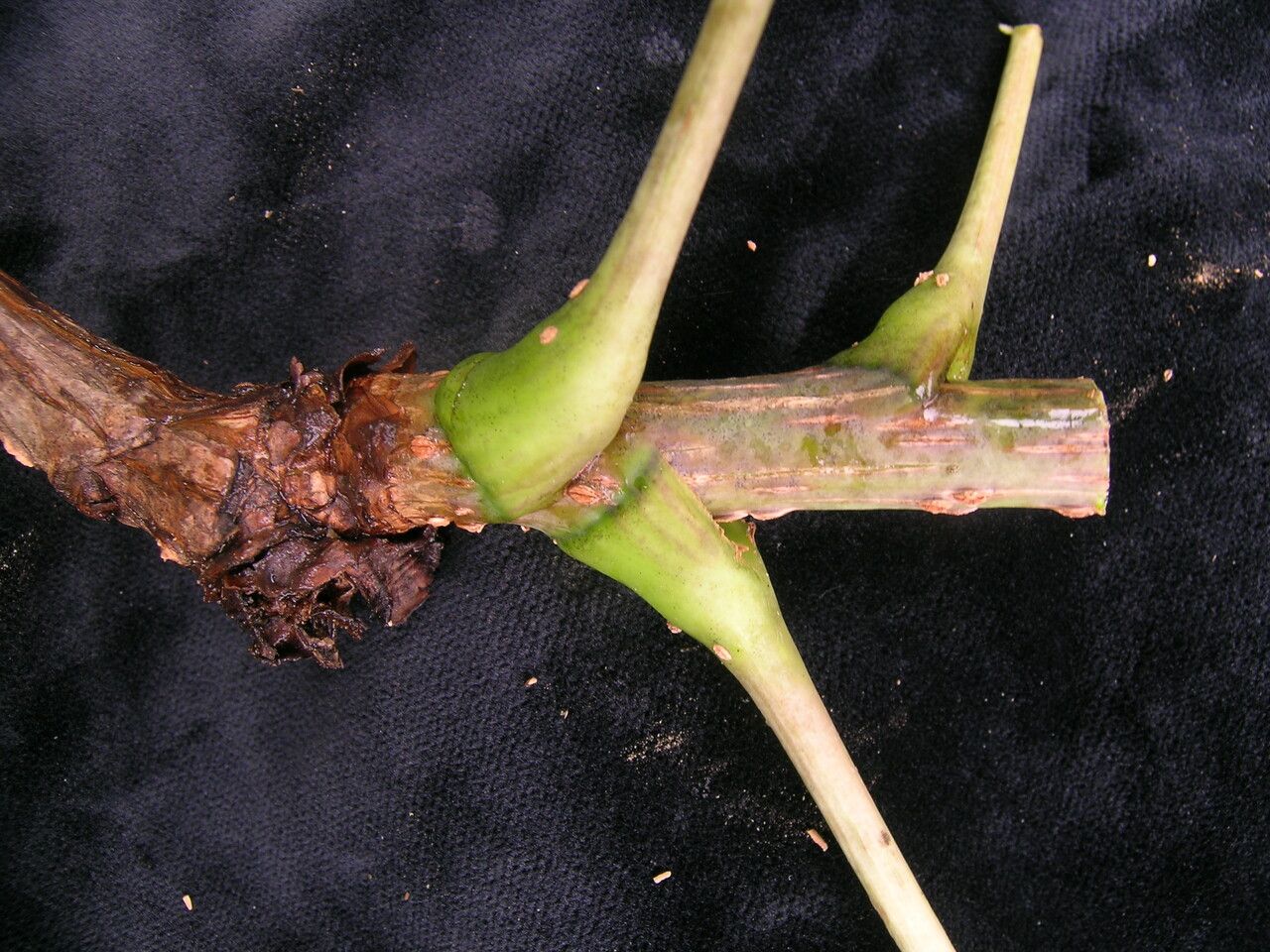
Oh, Aralia leschenaultii! What a beauty. I’ve had these magnificent plants gracing my garden and my home for years, and each time I propagate one, it feels like a little victory. Their glossy, deeply lobed leaves add such an architectural touch, and they have this wonderful way of becoming a real statement piece. Now, while I wouldn’t call them difficult, they do have their own quirks. They aren’t the absolute easiest for a complete novice, but with a little guidance and patience, you’ll be rewarded with plenty of new green babies.
The Best Time to Start
For Aralia leschenaultii, the happiest time to propagate is typically late spring through early summer. This is when the plant is in its most vigorous growth phase. You’ll want to take your cuttings from new, semi-hardwood growth. This means the stems are firm but not yet woody, with a slight bend to them. Avoid taking cuttings from very soft, new shoots or those old, tough woody stems.
Supplies You’ll Need
Gathering your tools beforehand makes the whole process so much smoother. Here’s what I always have on hand:
- Sharp Pruning Shears or a Clean Knife: Essential for making clean cuts that heal quickly.
- Rooting Hormone (Optional but Recommended): A powder or gel that encourages root development.
- Well-Draining Potting Mix: I like a blend of peat moss or coco coir, perlite, and a little compost. A good cactus/succulent mix can also work in a pinch.
- Small Pots or Propagating Trays: With drainage holes, of course!
- Clear Plastic Bags or a Propagator Lid: To maintain humidity.
- Watering Can or Spray Bottle: For gentle watering.
- Labels: To keep track of your projects!
Propagation Methods
My favorite way to multiply my Aralia leschenaultii is through stem cuttings. It’s reliable and gives you the most bang for your buck.
- Select Your Cuttings: Look for healthy stems with several sets of leaves. Aim for cuttings that are about 4-6 inches long.
- Make the Cut: Using your clean shears or knife, make a cut just below a leaf node (where a leaf attaches to the stem). This is where roots are most likely to form.
- Prepare the Cutting: Gently remove the lower leaves, leaving just a few at the top. If your leaves are very large, I like to cut them in half horizontally. This reduces water loss while still allowing for photosynthesis.
- Apply Rooting Hormone (If Using): Dip the cut end of the stem into your rooting hormone, tapping off any excess.
- Potting Up: Stick the prepared end of the cutting into your moist potting mix, about an inch or so deep. You can gently firm the soil around it. If you’re doing multiple cuttings, ensure they have a little space between them.
- Create a Humid Environment: Water the pot gently, then cover it with a clear plastic bag or place it in a propagator. Make sure the leaves do not touch the sides of the bag, as this can encourage rot. If you can, a little bottom heat from a seedling mat can really speed things up.
The “Secret Sauce” (Pro Tips)
Here are a few things I’ve learned over the years that really make a difference:
- Wipe Your Leaves! If your leaves are particularly large and you’re not cutting them in half, a good trick is to gently wipe the upper surface of the leaves with a damp cloth before you cover them. This removes any dust and helps them absorb precious light and moisture more efficiently.
- Patience is Key with Water: If you’re considering water propagation (which I sometimes do for Aralia, though it’s a bit more prone to rot), make absolutely sure no leaves are submerged in the water. Even a single leaf touching the water can turn mushy and invite disease. Use a narrow-necked container so the stems sit snugly.
- Don’t Overwater, Ever! This is probably the biggest pitfall. Once your cuttings are potted, you want the soil to be consistently moist, but never waterlogged. I usually water thoroughly when I first pot them, then check the soil moisture every couple of days, misting if the surface feels dry, or watering lightly if the entire pot feels light.
Aftercare & Troubleshooting
Once you start seeing new growth, it’s a good sign that roots are forming! You’ll know for sure if you gently tug on the cutting and feel resistance.
- Gradual Acclimation: When roots are well-established (you should see them peeking out of the drainage holes or feel good resistance), it’s time to slowly acclimate your new plant to open air. Gradually lift the plastic bag or propagator lid for increasing periods over a week or so.
- Move to a Brighter Spot: Once acclimated, move your young Aralia to a spot with bright, indirect light. Avoid harsh, direct sun.
- Watering: Continue to water when the top inch or so of soil feels dry. Young plants are more sensitive, so consistency is important.
- Troubleshooting Rot: The most common issue is rot, which usually stems from overwatering or poor air circulation. If you see a cutting turning black and mushy, it’s usually a lost cause. Remove it immediately to prevent it from spreading to others. Ensure good airflow – you can even prop up the plastic bag slightly if it feels too stuffy.
A Little Encouraging Closing
Propagating plants is such a wonderful way to connect with nature and expand your green collection. Don’t be discouraged if your first few attempts aren’t perfect. Each time you try, you learn something new. So, grab those clippers, get your hands in the soil, and enjoy the process of coaxing new life into existence. Happy growing!
Resource:
https://identify.plantnet.org/k-world-flora/species/Aralia%20leschenaultii%20(DC.)%20J.Wen/data