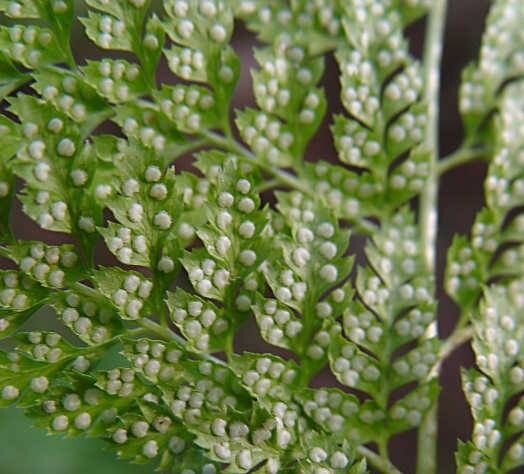
Hello fellow plant lovers! Today, we’re diving into the wonderful world of propagating Arachniodes standishii, also known as Standish’s holly fern. If you’ve ever admired its graceful, arching fronds and saw-toothed leaflets, you’re not alone. This fern brings such a touch of elegance to shady spots, and the joy of creating new life from an existing plant is truly special.
Now, I’m not going to sugarcoat it – ferns can be a little… particular. But Arachniodes standishii is generally quite forgiving, especially when you get the timing and technique right. Think of it as a gentle challenge, a rewarding puzzle for your green thumb.
The Best Time to Start
For the highest chance of success with Arachniodes standishii, I always recommend spring. It’s when the plant is actively growing and has the energy to put towards new root development. Look for new fronds unfurling – that’s a sign your fern is ready to share its abundance. You can also try in early summer, but spring is really your golden ticket.
Supplies You’ll Need
To get your propagation party started, gather these essentials:
- Sharp, clean pruning shears or a knife: For making clean cuts.
- Pots or trays: Small ones are perfect for starting out. Ensure they have drainage holes!
- A quality potting mix: I like a mix that’s light and airy. A good blend for ferns is usually 2 parts peat moss or coco coir, 1 part perlite or vermiculite, and 1 part compost or well-rotted leaf mold. This drainage is key!
- Rooting hormone (optional but helpful): This can give your cuttings a real boost.
- A mister or spray bottle: For keeping things humid.
- Plastic bags or a propagation dome: To create a mini greenhouse effect.
- Labels and a marker: Trust me, you’ll thank yourself later!
Propagation Methods
Arachniodes standishii is typically propagated through division, which is my absolute favorite and usually the most successful method for this fern.
Division: Sharing the Wealth
This is less about taking a “cutting” and more about splitting up the parent plant.
- Gently unpot your Arachniodes standishii. You might need to loosen it a bit if it’s really well-established.
- Inspect the root ball. You’re looking for natural divisions – areas where the rhizomes (those thick underground stems) have grown apart, each with its own set of roots and shoots.
- Use your clean hands or a sharp tool (like a trowel or even your pruning shears) to gently separate the clumps. Try to ensure each division has a good amount of healthy roots and at least a few fronds. If the roots are very tangled, be patient. You might need to tease them apart.
- Pot up each division. Use your fresh potting mix in your prepared pots. Make sure the top of the root ball is about an inch below the rim of the pot.
- Water thoroughly. You want the soil to be consistently moist, but not soggy.
The “Secret Sauce” (Pro Tips)
Here are a few things I’ve learned over the years that make a big difference:
- Don’t overwater after division. While ferns love moisture, drowning newly divided roots is a surefire way to invite rot. Aim for consistently moist, not waterlogged, soil.
- Create humidity. Ferns absolutely thrive in high humidity. After potting your divisions, place the pots into larger clear plastic bags, forming a mini greenhouse. Seal it loosely to allow some air circulation, or use a propagation dome. This is crucial until the plants are established.
- Avoid direct sunlight at all costs. Just like the parent plant, new divisions can scorch easily. Think bright, indirect light. An east-facing window or a spot with dappled shade is ideal.
Aftercare & Troubleshooting
Once your divisions are potted, keep them in that humid environment and water consistently. You should see signs of new growth within a few weeks to a couple of months. Gently tug on a frond – if there’s resistance, that’s a good sign roots are forming.
The biggest enemy here is rot. If you notice fronds turning yellow and mushy, or if the soil feels constantly waterlogged and smells off, you’ve likely overwatered. In this case, if you can catch it early, you might be able to carefully remove the offending bits and allow the soil to dry out a bit more.
Another issue can be drying out. If your divisions look wilted and the soil is dry as a bone, they might be struggling to establish. Increase the humidity and water more carefully, ensuring the soil stays consistently moist.
A Little Patience, A Lot of Reward
Propagating Arachniodes standishii is a journey, not a race. There will be days you wonder if anything is happening, but then – suddenly – you’ll see that first tiny unfurling frond. It’s a beautiful thing to witness. Be patient, observe your new plants, and most importantly, enjoy the magic of growing your own! Happy gardening!
Resource:
https://identify.plantnet.org/k-world-flora/species/Arachniodes%20standishii%20(T.Moore)%20Ohwi/data