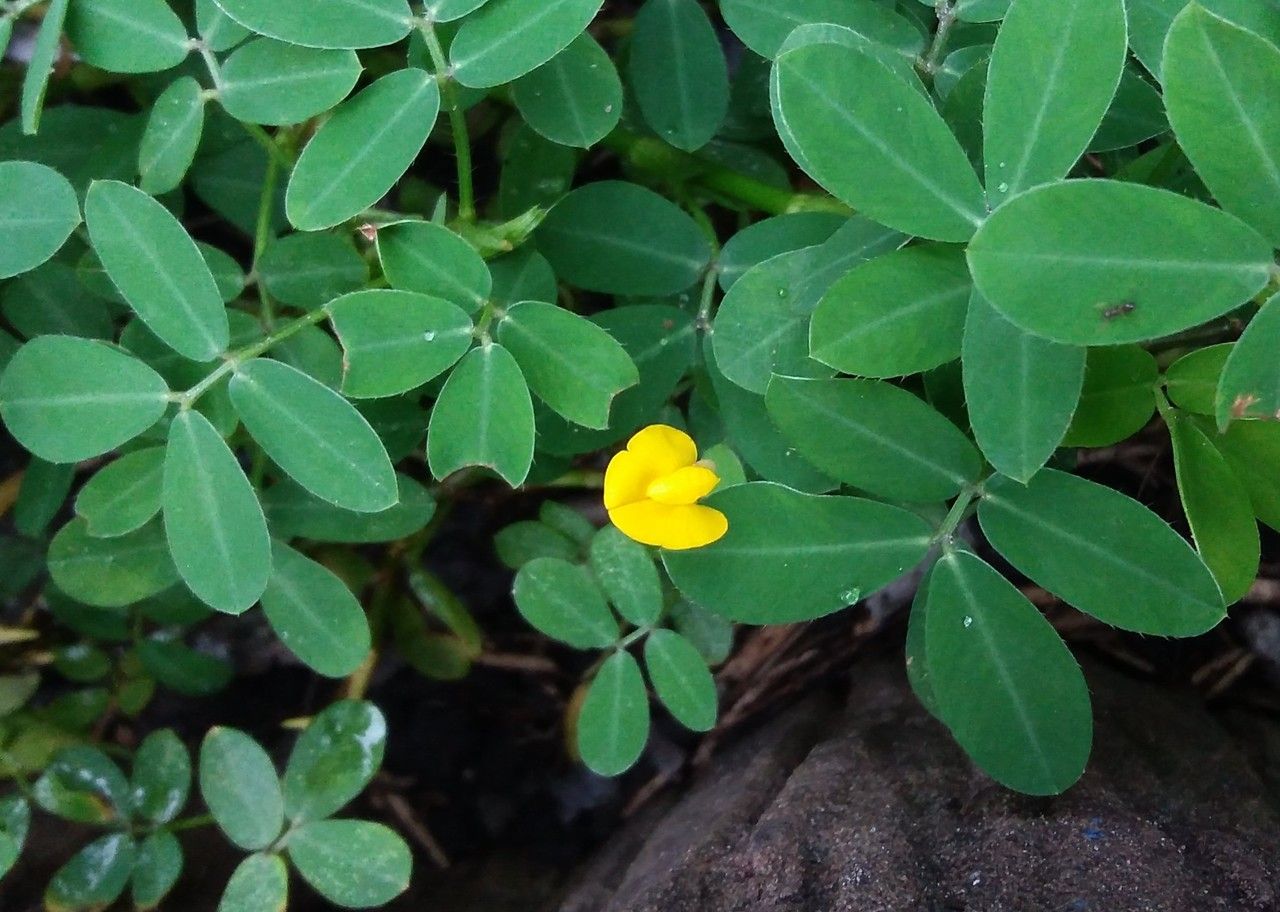
Oh, hello there, fellow plant lover! I’m so glad you’ve stumbled upon my little corner of the internet. Today, we’re diving into a plant that might not be on everyone’s radar, but trust me, it’s a real gem: Arachis glabrata!
Your New Favorite Groundcover: Why You’ll Love Propagating Arachis glabrata
You might know it as “Perennial Peanut” or “Rhodes Grass,” and it’s truly earned its nicknames. This plant is fantastic for sunny spots, offering a dense carpet of cheerful yellow flowers that bumblebees absolutely adore. It’s also a tough cookie, drought-tolerant once established, and a wonderful nitrogen-fixer for your soil. Best of all? Propagating it is surprisingly doable, even for those of you just dipping your toes into the gardening world. It’s a rewarding way to fill out your garden beds, create beautiful borders, or even share with friends.
When to Get Your Hands Dirty
The absolute sweet spot for propagating Arachis glabrata is late spring to early summer. This is when the plant is in its active growth phase, meaning it has plenty of energy to put into developing new roots. Waiting until after it’s had a good flush of spring growth is key for the highest success rates.
Gathering Your Arsenal: What You’ll Need
Before we get our hands in the dirt, let’s make sure we have everything ready. A little preparation goes a long way!
- Sharp Pruning Shears or a Knife: Clean cuts are crucial to prevent disease.
- Rooting Hormone (Optional but Recommended): I find it really gives cuttings a boost. Look for a powder or gel.
- Well-Draining Potting Mix: A 50/50 mix of perlite and peat moss works wonders. You can also use a good quality seed starting mix.
- Small Pots or Trays: Clean containers with drainage holes are essential.
- Watering Can or Mister: Gentle watering is key.
- Plastic Bags or a Small Greenhouse Dome: To create a humid environment.
Let’s Get Growing! Propagation Methods
There are a couple of trusty ways to multiply your Arachis glabrata. I usually find stem cuttings to be the most reliable and straightforward.
Stem Cuttings: My Go-To Method
- Take Your Cuttings: In late spring or early summer, use your sharp pruning shears to snip off healthy, non-flowering stems. Look for stems that are about 4-6 inches long. Try to get pieces with at least a few sets of leaves.
- Prepare the Cuttings: Gently remove the leaves from the bottom half of each cutting. This prevents them from rotting when buried or submerged. If you have them, you can dip the cut end into rooting hormone, tapping off any excess.
- Plant Your Cuttings: Fill your small pots with your prepared well-draining potting mix. Make a small hole in the center of the soil with your finger or a pencil. Carefully insert the cut end of each stem cutting into the hole, ensuring at least one leaf node (where leaves emerge) is below the soil surface. Gently firm the soil around the base of the cutting.
- Water Gently: Water the soil thoroughly but gently. You don’t want to dislodge the cuttings.
Water Propagation (For the Patient Observer!)
While I prefer soil for Arachis glabrata, you can try water. Take your cuttings as described above. Place the cuttings in a jar or vase with clean water, making sure no leaves are submerged. Change the water every few days to keep it fresh. You should see tiny white roots begin to form in a few weeks. Once the roots are about an inch long, you can carefully transplant them into soil.
The “Secret Sauce”: My Insider Tips
Over the years, I’ve learned a thing or two that can really make a difference. Here are a couple of my favorite tricks:
- Bottom Heat is Your Friend: If you have a seedling heat mat, popping your pots on it can significantly speed up root formation. Arachis glabrata loves a little warmth from below.
- Don’t Overwater, But Keep Them Humid: This is a delicate balance! Once your cuttings are in pots, keep the soil consistently moist but never soggy. The key is humidity. Covering your pots with a clear plastic bag or a dome creates a mini-greenhouse effect, which keeps the leaves from drying out before roots develop. Just make sure there’s a little airflow to prevent mold.
- “Scarify” Tougher Material (For Division): If you’re propagating by dividing established clumps (which is another great method, especially with larger plants), sometimes the rhizomes can be a bit woody. A quick, gentle scrape along a tough section of a rhizome with a clean trowel can sometimes encourage faster root adventuring.
Aftercare and What to Watch For
Once you spot new growth or see roots emerging from the drainage holes, you’re on the right track!
- Acclimatize Gradually: If you’ve used a plastic bag, start by opening it for a few hours each day to let the cuttings adjust to normal humidity.
- Water Regularly: Continue to water when the top inch of soil feels dry. As the new plants grow stronger, you can start treating them like mature Arachis glabrata – they’re pretty forgiving!
- Signs of Trouble: The most common issue is rot, which usually stems from overwatering or poor drainage. If your cuttings look mushy, yellow, or develop black spots, it’s a sign they’re getting too much moisture. Don’t be afraid to toss any that are clearly struggling and focus on the healthy ones.
Go Forth and Grow!
Propagating Arachis glabrata is such a satisfying process. It might take a little patience, but watching those tiny cuttings transform into established plants is incredibly rewarding. Don’t get discouraged if a few don’t make it – that’s just part of the learning curve. Enjoy the journey, celebrate your successes, and soon you’ll have a lovely carpet of sunshine yellow blooms! Happy gardening!
Resource:
https://identify.plantnet.org/k-world-flora/species/Arachis%20glabrata%20Benth./data