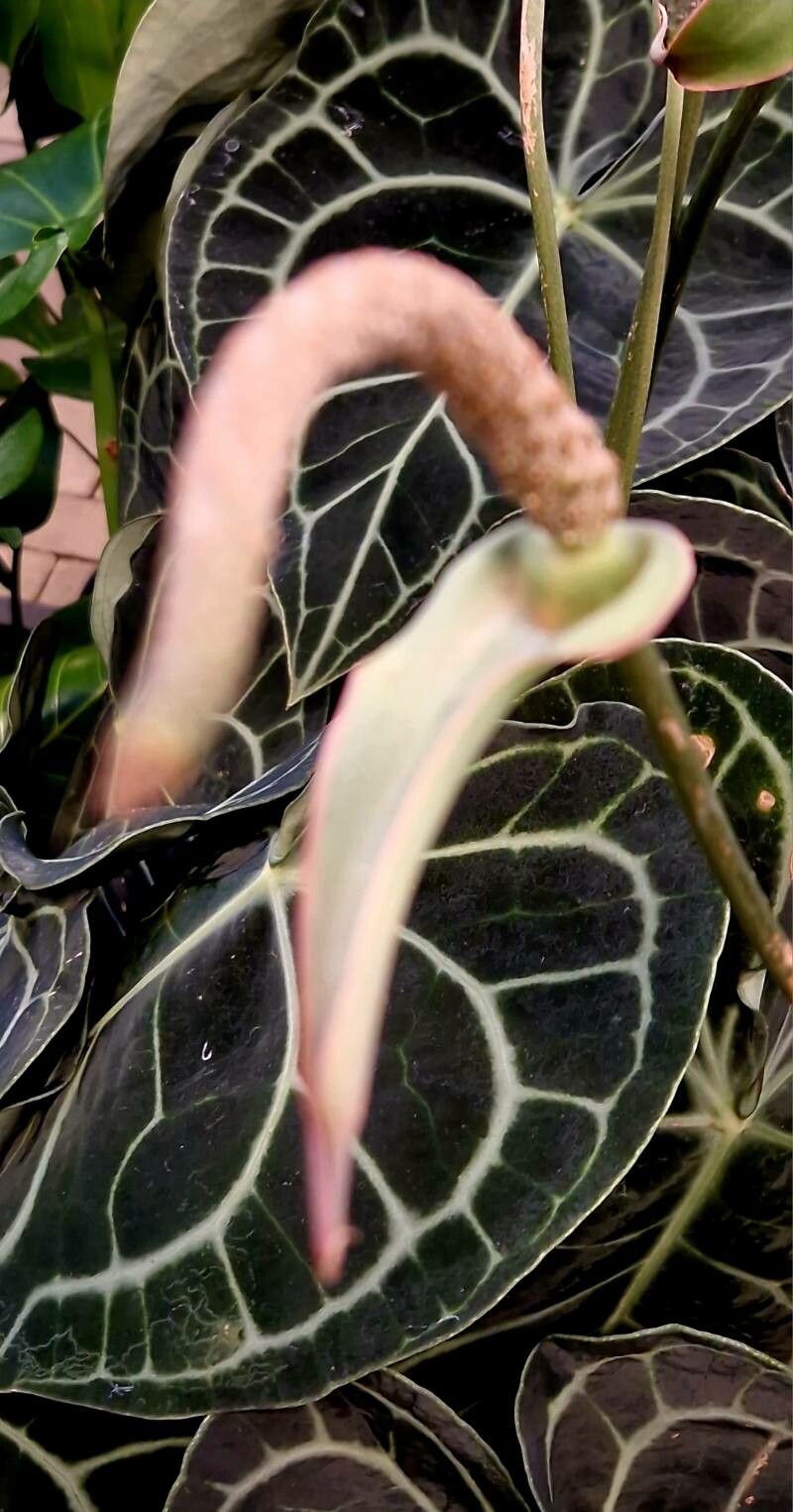
Oh, hello there! Grab a mug of your favorite brew, because we’re going to talk about one of my absolute favorite plants: the Anthurium clarinervium. Isn’t she a stunner? That velvety texture and those intricate, white vein patterns are just… chef’s kiss. If you’ve got one, or are thinking of getting one, you’ve probably fallen for its sophisticated charm. And you know what’s even better than having one? Making more! Propagating this beauty is incredibly satisfying, and while it might seem a little intimidating at first, I promise it’s totally doable. If you’re a complete beginner, this might be a slightly more advanced project, but with a little patience and care, you’ll be rewarded.
When to Get Your Hands Dirty
The best time to really get into propagating your Anthurium clarinervium is during its active growing season. For most of us, this means spring and summer. You’ll see new leaves unfurling, and the plant will be full of energy, making it much more receptive to new beginnings. Trying to propagate when the plant is dormant (think winter) is like trying to start a fire with damp wood – it’s just much harder to get going.
Your Propagation Toolkit
Alright, let’s gather our supplies. Having everything ready before you start will make the whole process smoother.
- Sterilized pruning shears or a sharp knife: Clean tools are non-negotiable to prevent disease.
- A well-draining potting mix: I like a blend of orchid bark, perlite, and a good quality potting soil. Think airy!
- Sphagnum moss: Especially useful for air layering or keeping things humid.
- Rooting hormone (optional but helpful): A little boost can encourage those roots.
- Small pots or propagation trays: Something appropriate for the size of your cuttings.
- Clear plastic bags or a propagation dome: To create a humid environment.
- Water (for water propagation): Filtered or distilled is best if your tap water is heavily treated.
- Perlite or coarse sand: Helps with drainage and aeration for some methods.
Making More Anthuriums: Your Propagation Paths
Anthurium clarinervium can be propagated through a few methods, but my top picks are division and stem cuttings.
Method 1: Division (The easiest way!)
If your Anthurium clarinervium has grown into a clump with multiple stems or pups emerging from the base, you’re in luck! This is essentially like separating little plant babies.
- Gently remove the plant from its pot. Be careful not to damage the roots.
- Inspect the root ball. Look for natural divisions where a new plant is emerging with its own set of roots. You might even see little offsets (pups) attached by a rhizome.
- Using your sterilized shears or knife, carefully separate the divisions. Try to keep as many roots intact as possible for each new plant. If a pup is already a good size and has roots, you can sometimes gently pull it away from the mother plant.
- Pot up each division into its own small pot with your well-draining mix.
- Water lightly and place in a warm, bright spot away from direct sun.
Method 2: Stem Cuttings (Requires a bit more patience)
This method involves taking cuttings from the stem. It’s a bit more involved than division but incredibly rewarding when successful.
- Identify a healthy stem. Look for a stem that has a node – that’s the little bump on the stem where a leaf grows from. This is where roots will emerge.
- Make a clean cut just below the node. You want to take a piece of the stem that includes at least one to two nodes and a healthy leaf.
- Remove any lower leaves, leaving only one or two at the top. If you’re water propagating, you’ll want to ensure no leaves are submerged.
- Option 1: Water Propagation: Place your cutting in a jar or vase of clean water. Make sure the node is submerged, but the leaves are NOT touching the water. Change the water every few days to keep it fresh. Place it in bright, indirect light.
- Option 2: Soil Propagation: Dip the cut end of the stem into rooting hormone (if using) and then plant it in a pot filled with your well-draining mix. Gently firm the soil around the stem.
- Create a humid environment. For both water and soil cuttings, cover the pot or jar with a clear plastic bag or place it under a propagation dome. Make sure to poke a few holes in the bag for ventilation to prevent mold.
- Place in bright, indirect light. Avoid direct sun, which can scorch the delicate cuttings.
The “Secret Sauce” from My Greenhouse
Over the years, I’ve learned a few tricks that can really make a difference. These are the little things that often aren’t in every guide, but they’ve saved me a lot of heartache!
- Bottom Heat is Your Best Friend: Especially for stem cuttings in soil, I always use a propagation mat. It provides gentle warmth to the soil, which encourages root development much faster. Think of it like a cozy little incubator for your cuttings.
- Don’t Forget About Air Circulation: Even though we’re creating a humid environment, stale air is a breeding ground for fungus. Open the plastic bag or dome for a few minutes each day to allow for fresh air exchange. It’s a delicate balance, but crucial.
- Sterilize Everything – Twice! I can’t stress this enough. Before I even pick up my shears, I sterilize them with rubbing alcohol. And then I might even give them a quick wipe down again. This habit has saved so many plants from rot and disease for me.
Aftercare and What to Watch For
Once you see those roots starting to form (you’ll notice new growth in soil cuttings or see roots developing in your water jar – which can take several weeks), it’s time for a slightly different approach.
- For Water Cuttings: Once your roots are about an inch or two long, you can carefully transplant them into a pot with well-draining soil. Treat it like a very young, delicate plant. Keep the soil consistently moist but not soggy.
- For Soil Cuttings: Continue to maintain consistent moisture and high humidity. As the plant grows stronger and you see new leaves, you can gradually reduce the humidity by opening the bag or dome more often. Eventually, you can remove it altogether.
Now, no propagation is 100% foolproof, and sometimes things just don’t work out. The most common issue with Anthurium clarinervium cuttings is rot. This usually happens when there’s too much moisture and not enough airflow, or if the cutting is placed in too cold an environment. If you see your cutting turning mushy or black, it’s likely rotted. Unfortunately, there’s usually no saving it at that point. Don’t be discouraged! Just clean up your pot, sterilize your tools, and try again, perhaps adjusting your watering or humidity levels.
Go Forth and Propagate!
Propagating your Anthurium clarinervium is a journey, and like any good journey, it requires a bit of patience and a whole lot of love. Don’t get discouraged if your first attempt isn’t perfect. Each plant is an individual, and they all have their own timing. Enjoy the process, observe your cuttings, and celebrate every tiny bit of progress. Soon, you’ll have more of these magnificent plants to share or simply to admire. Happy growing!
Resource:
https://identify.plantnet.org/k-world-flora/species/Anthurium%20clarinervium%20Matuda/data