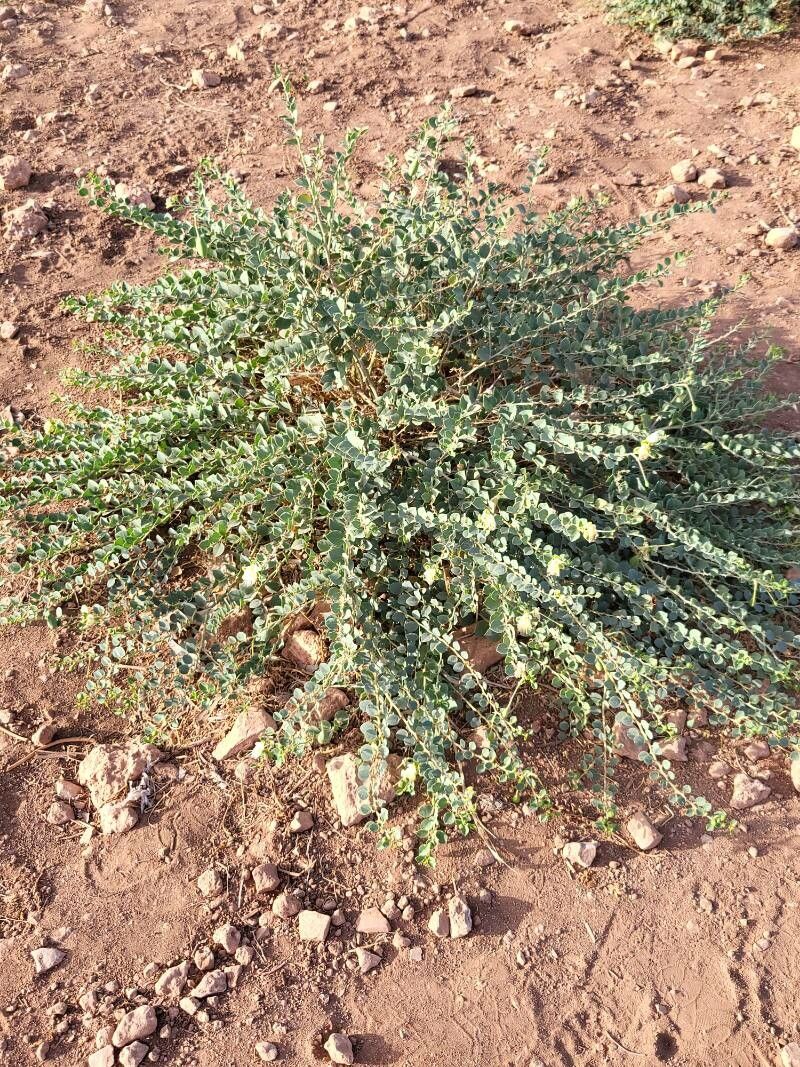
Hello fellow garden lovers! It’s so good to have you join me today. Today, we’re going to talk about a little gem that has been brightening my garden for years, and I’m excited to share how you can bring its delicate charm into your own space: Andrachne telephioides.
This charming Mediterranean native, with its lovely clusters of small, star-shaped flowers and succulent-like leaves, adds a touch of understated elegance. It’s not a flashy plant, but in its quiet way, it’s absolutely captivating. Propagating Andrachne telephioides is a genuinely rewarding experience, like watching a tiny promise unfurl into a future garden treasure. And for those of you just starting on your propagation journey, I’m happy to say this one is wonderfully forgiving. You’ll find it quite welcoming for beginners!
The Best Time to Start
Timing is everything in the garden, and for Andrachne telephioides, the sweet spot for propagation is late spring to early summer. This is when the plant is actively growing and has plenty of energy to put into developing new roots. You’re looking for stems that are firm and starting to mature, not the very soft, brand-new growth. Think of it as grabbing a woody, but still pliable, piece of the plant.
Supplies You’ll Need
To set yourself up for success, gather these essential tools before you begin:
- Sharp, clean pruning shears or a knife: A clean cut is crucial for preventing disease.
- Rooting hormone (optional but recommended for stem cuttings): Look for a powder or gel that contains auxins to encourage root development.
- Well-draining potting mix: A mix designed for succulents and cacti is perfect. You can also create your own by combining equal parts potting soil, perlite, and coarse sand.
- Small pots or seed trays: Make sure they have drainage holes!
- Dibber or a small pencil: For making planting holes.
- Watering can with a fine rose or a spray bottle: To gently water your new cuttings.
- Clear plastic bags or a propagation dome: To create a humid environment.
Propagation Methods
Andrachne telephioides is wonderfully versatile, and I find it’s easiest to propagate using stem cuttings or division.
Stem Cuttings
This is my go-to method for multiplying my Andrachne.
- Take your cuttings: Using your sharp shears, select healthy stems that are about 4-6 inches long. Make your cut just above a leaf node (where a leaf attaches to the stem).
- Prepare the cuttings: Gently remove the lower leaves from the bottom half of the cutting. This is important because any leaves submerged in soil or water will likely rot.
- Apply rooting hormone (optional): If you’re using rooting hormone, dip the cut end of the stem into it, tapping off any excess.
- Plant your cuttings: Fill your small pots with your well-draining mix. Use your dibber or pencil to make a hole in the soil. Carefully insert the cut end of your Andrachne cutting into the hole. Gently firm the soil around it.
- Water gently: Water the soil thoroughly but gently. You want it to be moist, not waterlogged.
- Create humidity: Cover the pot with a clear plastic bag or a propagation dome. This traps moisture around your cuttings, which is vital for root formation. Prop your bag open slightly or ensure there’s some airflow to prevent excessive condensation.
Division
If your plant has become a bit crowded in its pot, dividing it is a great way to get new plants and revitalize the parent.
- Remove the parent plant: Carefully lift the entire plant from its pot.
- Loosen the root ball: Gently tease away some of the old soil. You’ll want to get a clear view of the root system.
- Separate the divisions: Look for natural breaks where root systems seem separate. Use your fingers or a clean knife to gently pull or cut the plant apart. Aim for divisions that have both roots and some healthy foliage.
- Replant: Pot up each division into its own container filled with fresh, well-draining soil. Water gently.
The “Secret Sauce” (Pro Tips)
Here are a couple of things I’ve learned over the years that make a real difference:
- Don’t let the leaves touch the water: Whether you’re doing stem cuttings or even if you’re trying water propagation (which is a bit trickier with Andrachne for beginners), it’s crucial that no leaves are submerged. They’ll just turn into a mushy mess and invite rot.
- Bottom heat is your friend: If you’re serious about speeding things up, placing your pots on a heat mat designed for plants can provide gentle bottom warmth. This encourages root formation much faster and increases your success rate, especially for stem cuttings.
Aftercare & Troubleshooting
Once your cuttings are planted, patience is key! Keep the soil consistently moist but not soggy. You’ll want to check them every few days and mist the foliage if it looks dry, especially if they are in a propagator.
You’ll know your cuttings have rooted when you see new growth emerging from the top. You can also give them a very gentle tug – if there’s resistance, roots are forming! This usually takes anywhere from 4 to 8 weeks, sometimes longer.
The most common issue you might encounter is rot. This happens when the soil stays too wet, or when those lower leaves decay. If you see a cutting turning black and mushy at the base, it’s usually a sign that it’s too far gone. Remove it immediately to prevent it from affecting other cuttings. Overwatering is the usual culprit here.
Once new growth is well-established, you can gradually acclimate your new plants to lower humidity by opening the plastic bag or propagator a little more each day over a week or two. Then, you can transplant them into slightly larger pots if needed.
A Gentle Encouragement
Bringing new life into your garden from a tiny cutting is one of the most satisfying experiences a gardener can have. Don’t be discouraged if your first attempt isn’t perfect – every gardener has learning curves! Just remember to be patient, observe your little charges, and enjoy the wonderful journey of coaxing new plants to life. Happy gardening!
Resource:
https://identify.plantnet.org/k-world-flora/species/Andrachne%20telephioides%20L./data