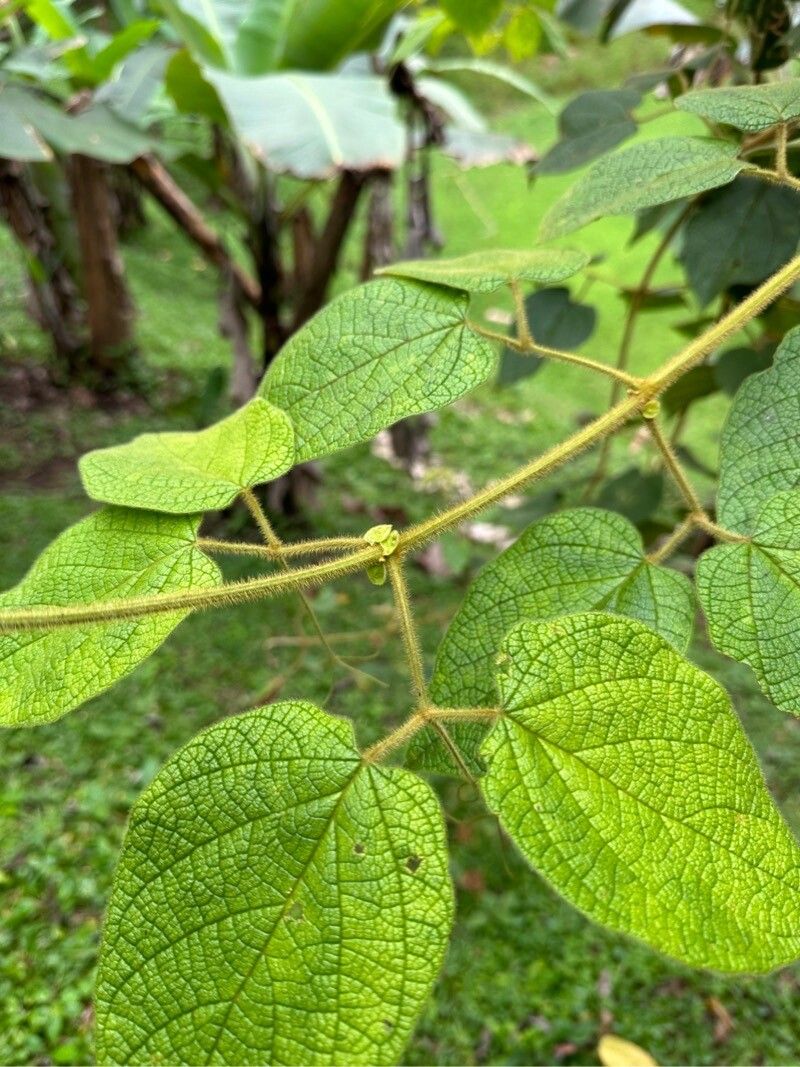
Hey there, fellow plant enthusiasts! Today, we’re diving into something truly special: Amphilophium pannosum. If you’ve ever seen this beauty, you know its charm. With its delicate, trumpet-shaped flowers that can range from soft pinks to vibrant oranges, it’s a real showstopper in any garden or patio. And the best part? You can share that magic. Propagating Amphilophium pannosum is a wonderfully rewarding way to fill your space or gift friends with its charm. For those just starting out, I’d say it’s moderately easy. It requires a little attention, but with these tips, you’ll be making new plants in no time.
The Best Time to Start
For the highest success rates, late spring to early summer is your golden window. This is when the plant is actively growing, and its stems have that perfect blend of flexibility and maturity needed for cuttings. You want to grab stems that are new growth but have started to firm up a bit. Avoid the really soft, floppy tips and also the woody, older branches.
Supplies You’ll Need
Before we get our hands dirty, let’s gather our toolkit:
- Sharp Pruning Shears or a Clean Knife: For clean cuts, which are crucial for healthy rooting.
- Rooting Hormone Powder or Gel: This is a game-changer, giving your cuttings a real boost.
- Well-Draining Potting Mix: A blend of peat moss, perlite, and a bit of compost works wonders. You can also find specialized seed-starting or cutting mixes.
- Small Pots or Trays with Drainage Holes: For your new little plant babies.
- Plastic Bag or Dome: To create a humid environment for your cuttings.
- Water: For light misting and hydration.
- Optional: Bottom Heating Mat: Especially useful if your home is on the cooler side.
Propagation Methods
My favorite way to propagate Amphilophium pannosum is through stem cuttings. It’s straightforward and yields great results.
Stem Cuttings:
- Choose Your Cuttings: Select healthy, non-flowering stems that are about 4-6 inches long. Look for stems that have started to lignify (harden) but are still somewhat flexible.
- Make the Cut: Using your clean shears or knife, make a clean, angled cut just below a leaf node. A leaf node is where a leaf emerges from the stem – this is where roots are most likely to form.
- Prepare the Cutting: Gently remove the leaves from the bottom half of the cutting. You want to expose a few leaf nodes so they can form roots. Leave 2-3 leaves at the top of the cutting to help it photosynthesize. If the remaining leaves are large, you can snip them in half to reduce water loss.
- Apply Rooting Hormone: Dip the cut end of the stem into your rooting hormone. Shake off any excess.
- Plant the Cuttings: Fill your small pots or trays with the well-draining potting mix. Make a small hole in the center of the mix with your finger or a pencil.
- Insert the Cutting: Place the prepared cutting into the hole, ensuring that at least one or two leaf nodes are buried in the soil. Gently firm the soil around the cutting.
- Water Lightly: Water the soil gently to settle it around the cutting. You don’t want to waterlog it.
The “Secret Sauce” (Pro Tips)
Here are a couple of things I’ve learned over the years that can really boost your success:
- Don’t Let Leaves Touch the Water: If you are trying water propagation (though I generally prefer soil for this plant), make sure the leaves don’t sit in the water. They’ll rot quickly. Only the stem nodes should be submerged.
- Embrace the Humidity Tent: Once your cuttings are potted, cover the pot with a clear plastic bag or a humidity dome. This creates a greenhouse effect, keeping the moisture levels high, which is essential for cuttings to callus over and start rooting. You can secure the bag with a rubber band around the pot. Poke a few small holes in the bag for ventilation.
Aftercare & Troubleshooting
Once your cuttings are in their new home, keep them in a bright, indirect light location. Avoid direct sunlight, which can scorch the delicate leaves.
- Watering: Keep the soil consistently moist but not soggy. Check the moisture level by feeling the soil with your finger. If the top inch feels dry, it’s time to water. You can also mist the leaves lightly every few days, especially if your home is dry.
- Rooting Time: Be patient! It can take anywhere from 4 to 8 weeks for roots to develop. You can gently tug on a cutting; if there’s resistance, it means roots have formed. You can also check the drainage holes for signs of roots.
- Troubleshooting: The most common problems are rot and failure to root.
- Rot: This usually happens from overwatering. If your cutting looks mushy and dark at the base, it’s likely rotted. Discard it and start again, ensuring better drainage and less water.
- Failure to Root: Sometimes they just don’t take. This can be due to the time of year, the health of the parent plant, or insufficient humidity. Don’t get discouraged; just try again!
A Little Patience Goes a Long Way
Watching a new plant emerge from what was once just a piece of stem fills me with such joy. It’s a testament to nature’s resilience and your own green-thumb magic. So, take a deep breath, gather your supplies, and give it a go. Your garden will thank you for it, and you’ll have the immense satisfaction of growing your own beautiful Amphilophium pannosum. Happy propagating!
Resource: