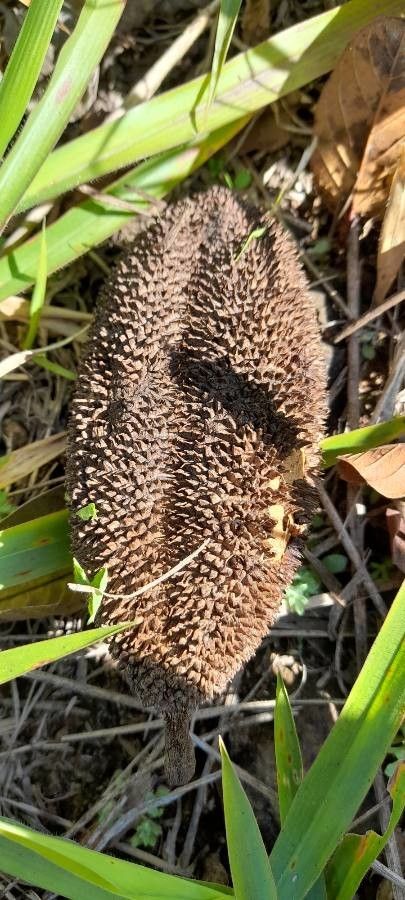
Oh, hello there! Come on in, grab a seat. It’s so nice to chat about plants with fellow enthusiasts. Today, we’re diving into the wonderful world of propagating Amphilophium crucigerum, sometimes called the Cross Vine, or my personal favorite, the “Trumpet Vine’s” gentler cousin.
Why Propagate This Beauty?
If you’ve ever seen Amphilophium crucigerum in full bloom, with its stunning, trumpet-shaped orange-red flowers cascading over a trellis or fence, you’ll understand the allure. It’s a fantastic native vine that attracts hummingbirds and pollinators like a magnet. Propagating it is incredibly rewarding. You get to share this garden beauty with friends, fill more spots in your own landscape, or even start a little nursery of your own. And the best part? For a vine, it’s surprisingly not too difficult to start from cuttings, making it a great project for even those new to propagation.
When to Get Your Hands Dirty
The absolute best time to take cuttings from Amphilophium crucigerum is during its active growing season. Late spring through summer (roughly May to August) is ideal. You want to work with healthy, semi-hardwood cuttings – that means the stems are no longer pencil-thin and flimsy, but they haven’t fully hardened into old wood. This stage offers a good balance of flexibility and nutrient reserves for rooting.
Gathering Your Arsenal
Before we get started, let’s make sure you have everything ready. A little preparation goes a long way!
- Sharp Pruning Shears or a Knife: Cleanliness is key to prevent disease.
- Rooting Hormone (Optional but Recommended): This can significantly speed up the process and improve success rates. Look for one formulated for softwood or semi-hardwood cuttings.
- Well-Draining Potting Mix: A good starter mix could be equal parts peat moss or coco coir, perlite, and coarse sand. Or, you can buy a specialized seed-starting or propagation mix.
- Small Pots or Seed Starting Trays: With drainage holes, of course!
- Clear Plastic Bags or a Humidity Dome: To create a humid environment for your cuttings.
- Water (for Water Propagation): In a clean jar or vase.
- Labels: So you don’t forget what you’ve planted!
Bringing New Life: Propagation Methods
Amphilophium crucigerum is quite obliging and readily roots from stem cuttings. Here’s how we do it:
Method 1: Stem Cuttings – My Go-To
This is my preferred method for this vine. It’s efficient and yields great results.
- Select Your Cuttings: Look for healthy, current season’s growth. You want stems that are a medium green, firm but still a bit flexible, and free from flowers or fruit.
- Take the Cuttings: Using your sterilized pruning shears, cut lengths of stem about 4 to 6 inches long. Make your cut just below a leaf node (where a leaf attaches to the stem).
- Prepare the Cuttings: Gently remove the leaves from the lower half of each cutting. It’s okay to leave one or two leaves at the very top to help with photosynthesis. If any available leaves are very large, you can cut them in half to reduce water loss.
- Apply Rooting Hormone: Dip the cut end of each stem into rooting hormone powder. Tap off any excess; you want a light, even coating.
- Plant Your Cuttings: Fill your small pots with your moistened potting mix. Make a hole in the center of the mix with your finger or a pencil. Insert the treated end of the cutting into the hole, ensuring it goes deep enough to cover at least one leaf node. Gently firm the soil around the stem.
- Water Gently: Water your newly potted cuttings thoroughly but gently.
Method 2: Water Propagation (Simpler, for Observation)
While I often find stem cuttings more robust, water propagation is a fun way to watch the roots develop.
- Prepare the Cuttings: Follow steps 1 through 3 from the Stem Cuttings method.
- Place in Water: Place the prepared cuttings in a clean jar or vase filled with fresh water. Make sure the leaf nodes that will be submerged are the ones where roots will emerge.
- Change Water Regularly: Change the water every few days to keep it fresh and prevent bacterial growth.
The “Secret Sauce”: My Garden Secrets
Here are a couple of tricks I’ve learned over the years that really boost your success:
- “Air Layering” for the Extra Cautious: If you’re a bit nervous about cuttings, why not try air layering? On a healthy, growing vine, make a shallow cut on a stem while it’s still attached to the parent plant. Wrap that wound with moist sphagnum moss and then cover it with plastic wrap. In a few weeks, you’ll see roots form within the moss. Once well-rooted, you can carefully sever the stem below the roots and plant it. It’s like giving your cutting a head start!
- Bottom Heat is Your Friend: If you’re using stem cuttings and want to give them the best possible environment, placing your pots on a seedling heat mat can make a huge difference. The gentle warmth encourages root development from the bottom up, giving your cuttings a much-needed boost, especially if your house is on the cooler side.
Aftercare and When Things Go Wrong
Once your cuttings are planted (either in soil or showing roots in water), it’s time for patient observation.
- For Soil Cuttings: Cover the pots with a clear plastic bag or place them under a humidity dome. This traps moisture and keeps the humidity high, which is crucial for cuttings that haven’t developed full root systems yet. Place them in a bright spot out of direct sunlight. Water to keep the soil consistently moist, but not waterlogged.
- For Water Cuttings: Once you see about an inch of healthy white roots, it’s time to transition them to soil. Follow steps 4-6 from the “Stem Cuttings” method for planting them. Be very gentle as the new roots are fragile.
Troubleshooting:
The most common sign of failure is wilting and then yellowing leaves, often followed by the cutting turning mushy or black. This usually indicates root rot from overwatering or lack of air circulation. If you see this, sadly, that cutting is likely lost. On the flip side, if the cutting stays green and plump, and you start to see new leaf growth, that’s a wonderful sign that roots are forming! For water cuttings, algae growth in the jar is normal but can be a sign that the water needs changing more frequently.
Keep Growing!
Propagation is a journey, and each cutting is a little experiment. Don’t expect 100% success every time; that’s part of the learning curve! Be patient, enjoy the process of nurturing these new life forms, and soon you’ll be enjoying the gorgeous blooms of your very own Amphilophium crucigerum. Happy gardening!
Resource: