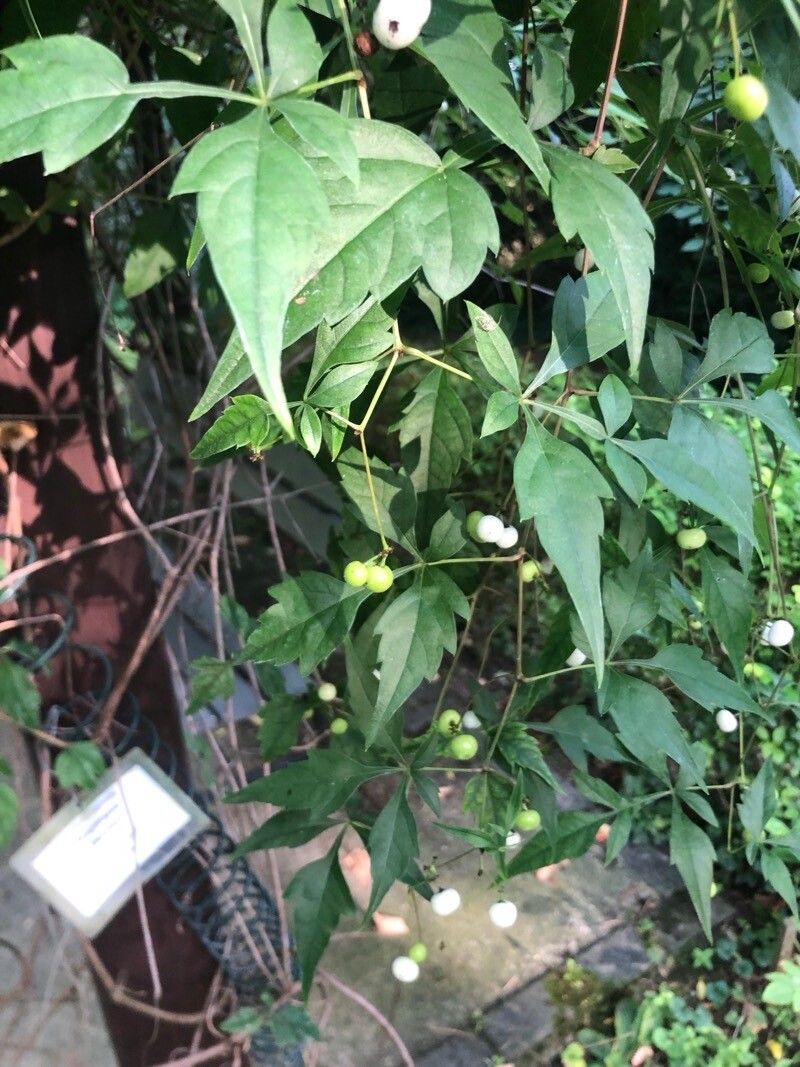
Hello there, fellow plant lovers! It’s me, your garden pal with a few decades of dirt under my nails. Today, we’re diving into the wonderful world of Ampelopsis japonica. If you’re looking for a vine that’s a bit different, with delicate, almost lace-like foliage and a charmingly wild spirit, you’re in for a treat. Ampelopsis japonica, sometimes called Japanese Ivy (though it’s not a true ivy), is a beauty that can really add character to a fence, wall, or even a hanging basket.
Now, I know what some of you might be thinking – is this a complicated plant to get more of? I’m happy to report that Ampelopsis japonica is quite forgiving! While results can always vary, I find it to be a rather rewarding plant to propagate, even for those just dipping their toes into the world of plant multiplication. Seeing a tiny cutting transform into a thriving new plant is one of life’s simple joys, wouldn’t you agree?
The Best Time to Start
From my experience, late spring to early summer is your golden window for propagating Ampelopsis japonica. This is when the plant is in its active growth phase. You’ll want to look for new, semi-hardwood stems. These are stems that are no longer floppy and green, but not yet woody and tough. They have a bit of flexibility and a nice, firm feel to them – a perfect stage for rooting.
Supplies You’ll Need
Don’t let the list intimidate you! Most of these are standard gardening tools you likely already have.
- Sharp Pruning Shears or a Clean Knife: For making clean cuts. A dull tool can bruise stems, making it harder for them to root.
- Rooting Hormone (Optional but Recommended): This can give your cuttings a real boost in developing roots. Look for a powder or gel.
- Small Pots or Trays: Clean containers with drainage holes are a must.
- Propagation Mix or Well-Draining Potting Soil: I like to use a mix of equal parts perlite and peat moss or a good quality seed-starting mix. This offers the perfect balance of moisture retention and aeration.
- Plastic Bags or a Clear Plastic Dome: To create a humid environment for your cuttings.
- Water: For watering your cuttings.
Propagation Methods: Stem Cuttings
This is my go-to method for Ampelopsis japonica because it’s straightforward and generally yields excellent results.
-
Take Your Cuttings: In late spring or early summer, select healthy shoots from your mature plant. Using your sharp pruning shears, cut stems that are about 4-6 inches long. Make your cut just below a leaf node (where a leaf attaches to the stem).
-
Prepare the Cuttings: Gently remove the lower leaves, leaving just a couple of leaves at the very top. This prevents them from rotting in the soil. You can also cut the remaining leaves in half if they are very large; this reduces water loss from the leaves.
-
Apply Rooting Hormone (If Using): Dip the cut end of each stem into your rooting hormone, tapping off any excess. This helps encourage root development.
-
Potting Up: Fill your clean pots with your propagation mix. Make a hole in the center of the soil with your finger or a pencil. Insert the cut end of the stem into the hole, ensuring it goes deep enough to be stable. Gently firm the soil around the base of the cutting.
-
Water and Cover: Water gently but thoroughly. You want the soil to be consistently moist but not waterlogged. To create a humid environment, you can cover the pot with a clear plastic bag (making sure the leaves don’t touch the plastic, which can cause rot) or place a clear plastic dome over it.
-
Placement: Place your pots in a bright location that receives indirect sunlight. Avoid direct sun, as it can scorch the delicate cuttings.
The “Secret Sauce” (Pro Tips)
Here are a couple of things I’ve learned over the years that can really make a difference:
- Bottom Heat is Your Friend: If you have a propagation mat or can place your pots on top of a lightly warmed appliance (like a router), the gentle warmth can significantly speed up root development. It tricks the plant into thinking it’s prime growing season, even if the air temperature isn’t quite as warm.
- Don’t Drench; Mist: While you want moist soil, overwatering is the quickest way to lose your cuttings to rot. Instead of drenching the pot every time, try misting the leaves and soil surface regularly, especially if you’re using a plastic cover. This keeps humidity high without saturating the soil.
- Patience is Paramount: I know it’s tempting to peek every day, but try to resist the urge to tug on your cuttings to check for roots. You won’t see any visible roots for several weeks, and too much disturbance can be detrimental.
Aftercare & Troubleshooting
A good sign that your cuttings are taking root is the emergence of new leaf growth. If you see this happening, congratulations! You’re well on your way.
Once you see a good amount of new growth, you can gradually acclimate your new plants to less humid conditions by slowly opening up the plastic bag or dome over a few days. You can then start watering them as you would a mature plant, allowing the soil to dry out slightly between waterings.
The most common problem you’ll encounter is rot. If a cutting turns black and mushy, or if there’s a fuzzy mold developing, it’s usually a sign of too much moisture and poor air circulation. Sadly, a rotted cutting is usually a goner. Just discard it and learn from the experience – perhaps try again with less water or better drainage next time.
A Encouraging Closing
Propagating Ampelopsis japonica is a journey, and like any journey, there will be moments of excitement and perhaps a few hiccups along the way. Don’t get discouraged if your first attempt isn’t a runaway success. Each plant is a living thing with its own rhythm. Be patient, offer your cuttings a little love and attention, and revel in the process. Happy propagating!
Resource:
https://identify.plantnet.org/k-world-flora/species/Ampelopsis%20japonica%20(Thunb.)%20Makino/data