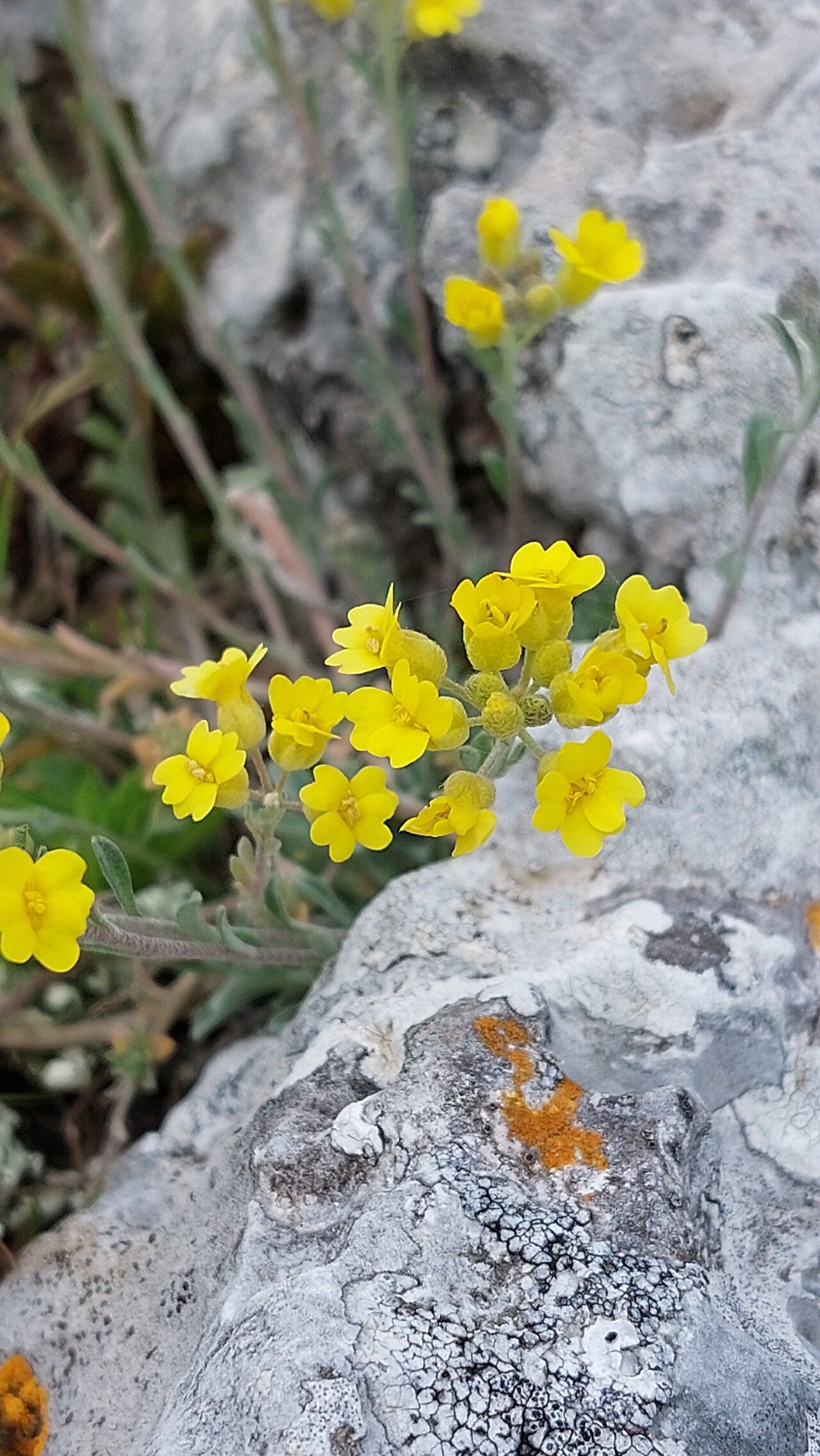
Hello fellow garden enthusiasts! I’m so glad you’ve stopped by. Today, we’re diving into the delightful world of propagating Alyssum diffusum, sometimes called carpet alyssum or creeping alyssum. If you’ve ever been charmed by those fragrant, low-growing mats of tiny white or purple flowers gracing your garden borders or spilling over pots, you know just how special this plant is. The good news? It’s wonderfully rewarding to create more of this beauty from your existing plants. And for folks just starting out with propagation? Alyssum is a fantastic friend for beginners – you’re in for a treat!
The Best Time to Start
When it comes to getting the most bang for your propagation buck, patience is key, but so is timing. The ideal time to propagate Alyssum diffusum is generally in late spring or early summer. This is when the plant is actively growing and has plenty of healthy, pliable stems that are more likely to root. You’re looking for new, non-woody growth – think of stems that are firm but still have a bit of flexibility. Avoid trying to propagate from very old, woody stems.
Supplies You’ll Need
Gathering your supplies before you begin makes the whole process smoother. Here’s what I always have on hand:
- Sharp Pruning Shears or a Craft Knife: Clean cuts are crucial for preventing disease.
- Small Pots or Seed Trays: Clean, with drainage holes!
- Potting Mix: A well-draining mix is non-negotiable. I often use a blend of equal parts peat moss (or coir), perlite, and a bit of compost.
- Rooting Hormone (Optional but Recommended): This can give your cuttings a helpful boost. Look for powdered or liquid forms.
- Plastic Bags or a Propagator: To create a humid environment for your cuttings. A clear plastic bag works wonders!
- Watering Can or Spray Bottle: For gentle watering.
- Labels: Don’t forget to label your starts – it’s easy to forget what’s what!
- Warm Location: Somewhere with bright, indirect light.
Propagation Methods
Alyssum diffusum is a versatile plant, and you have a few easy ways to create new plants. I find stem cuttings to be the most reliable and rewarding method.
Stem Cuttings
- Take Your Cuttings: Using your clean shears, select a healthy stem. You want pieces that are about 4-6 inches long. Make your cut just below a leaf node (where a leaf attaches to the stem). Remove the lower leaves, leaving just the top few leaves. This is important; any leaves submerged in water or soil will rot and invite problems.
- Prepare the Cuttings: If you’re using rooting hormone, dip the cut end of the stem into the powder or liquid, shaking off any excess. This step isn’t strictly necessary for alyssum, as it roots quite readily, but it can speed things up.
- Plant Your Cuttings: Fill your small pots or trays with your prepared potting mix. Make a small hole with your finger or a pencil. Gently insert the cut end of the alyssum cutting into the hole, ensuring the leaves aren’t touching the soil. Firm the soil gently around the stem.
- Provide Humidity: Water the soil gently. Then, cover the pots loosely with a plastic bag or place them inside a propagator. This creates a mini-greenhouse effect, keeping the humidity high, which is vital for cuttings before they develop roots. Make sure the plastic doesn’t touch the leaves if possible.
- Location, Location, Location: Place the pots in a bright spot out of direct sunlight. Too much sun will scorch them before they can establish.
The “Secret Sauce” (Pro Tips)
Now, for a couple of little tricks that seasoned gardeners swear by:
- “Air Layering” Gently: Sometimes, before even taking a cutting, I’ll gently wound a stem while it’s still attached to the parent plant and dust it with rooting hormone. Then, I might loosely wrap it with moist sphagnum moss and plastic wrap. This can encourage roots to form in situ, and when you eventually sever the stem, you’ll have a well-rooted plant ready to go. It’s a bit more involved but can yield fantastic results.
- Bottom Heat is Your Friend (Sometimes): While alyssum is forgiving, if you find your cuttings are taking a bit longer than usual, especially in cooler weather, adding a gentle heat mat underneath your pots can significantly speed up root development. This mimics the warmth of spring soil and really gives those root cells a nudge.
Aftercare & Troubleshooting
Once you start to see those tiny roots forming – and you’ll know because you might see a bit of new growth emerging, or if you gently tug on a cutting, there’s a little resistance – it’s time for slightly different care.
- Gradual Hardening Off: Before removing the plastic completely, gradually increase ventilation by opening the bag a little each day. This helps the new plants adjust to drier air. Once roots are well-established (usually after 3-4 weeks), you can remove the plastic.
- Keep Moist, Not Soggy: Continue to water your new alyssum plants regularly, but always allow the soil to dry slightly between waterings. Overwatering is the quickest way to invite root rot, which is usually indicated by yellowing leaves, stem rot, and a generally sad, wilting appearance. If you see this, act fast. You might try to pull the cutting out and see if any part of the stem is still firm. If it’s mushy and black, it’s time to start again.
- Transplanting: Once your propagated plants have a good root system and a few sets of true leaves, you can transplant them into larger pots or directly into your garden beds. Be gentle with those delicate roots!
A Bit More Patience, A Lot More Beauty
Propagating Alyssum diffusum is a truly rewarding experience. It’s amazing to watch a tiny stem transform into a flourishing plant. Don’t be discouraged if every single cutting doesn’t make it; that’s part of the learning curve for all of us. Just keep trying, and soon you’ll have an abundance of fragrant blooms to share with friends or simply enjoy yourself. Happy propagating!
Resource:
https://identify.plantnet.org/k-world-flora/species/Alyssum%20diffusum%20Ten./data