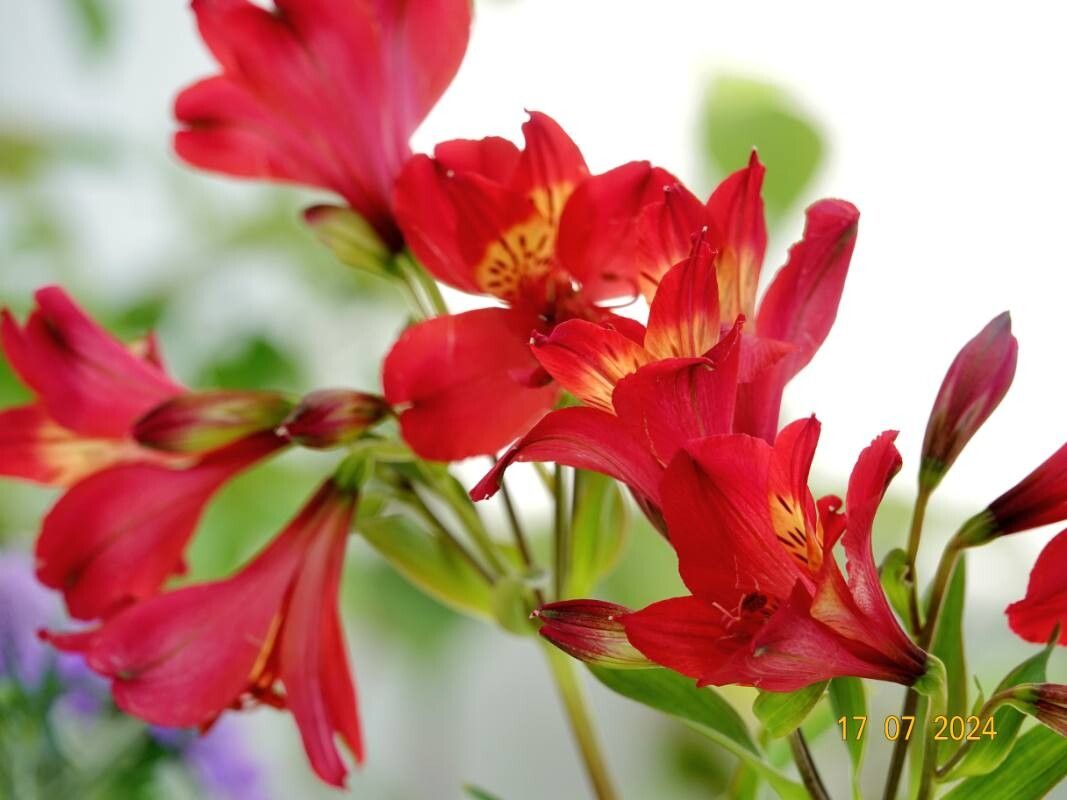
Oh, Alstroemeria! Those cheerful, long-lasting blooms are like little bursts of sunshine in the garden. Often called the Peruvian Lily or Lily of the Incas, they bring such vibrant color and are fantastic cut flowers. And the best part? They’re not as tricky to propagate as you might think. In fact, I’d say they’re quite rewarding for even novice gardeners eager to expand their collection. Let’s get your hands dirty and create some more of these beauties!
The Best Time to Start
Timing is everything in gardening, and for Alstroemeria, the sweet spot is late spring to early summer. This is when the plant is actively growing after its winter rest and before the intense heat of midsummer. You’re looking for stems that have just finished blooming but are still firm and green. This vigorous growth phase gives your cuttings the best chance of success.
Supplies You’ll Need
Gathering your tools beforehand makes the whole process smoother. Here’s what I usually have on hand:
- Sharp, clean pruning shears or a sharp knife: Crucial for making clean cuts that heal well.
- Potting mix: A well-draining mix is key. I like a combination of equal parts peat moss or coco coir and perlite or coarse sand. This ensures good aeration and prevents sogginess.
- Small pots or trays: For your cuttings or divisions. Make sure they have drainage holes!
- Rooting hormone (optional but recommended): Especially for stem cuttings, this can give them a good kickstart. Look for one formulated for cuttings.
- Watering can or spray bottle: For gentle watering.
- Labels and a marker: To keep track of what you’ve potted and when.
- Clear plastic bags or domes: To create a humid environment for cuttings.
Propagation Methods
Alstroemeria can be propagated in a couple of ways, but division is by far the easiest and most reliable, especially for beginners.
1. Division (The Easiest Route!)
This method is perfect for established clumps of Alstroemeria.
- Dig up the clump: In late spring or early summer, carefully dig around the base of your Alstroemeria plant. Gently lift the entire root ball out of the ground.
- Shake off excess soil: This will help you see the rhizomes (the thick, fleshy root-like structures) clearly.
- Identify divisions: Look for natural breaks in the rhizome system. Each division should have at least one healthy, plump shoot or eye and a good portion of root.
- Separate the divisions: You can often do this by hand. If the rhizomes are tough to break, a clean spade or a sturdy knife can help you cut through them. Make sure each section has roots attached.
- Replant immediately: Replant your divisions back into the ground or into pots at the same depth they were growing previously. Water them in well.
2. Stem Cuttings (A Little More Finesse)
This method takes a bit more patience but is a wonderful way to get more plants from a favorite variety.
- Take cuttings: From a healthy Alstroemeria plant, select stems that have just finished flowering. Make a cut just below a leaf node (where a leaf attaches to the stem). Your cutting should be about 4-6 inches long. Remove any lower leaves, as these will likely rot if submerged.
- Dip in rooting hormone: If you’re using rooting hormone, dip the cut end of the stem into the powder or gel. Tap off any excess.
- Plant the cuttings: Fill your small pots with your well-draining potting mix. Make a small hole with your finger or a pencil and insert the cutting, burying the lower leaf nodes. Gently firm the soil around it.
- Water gently: Water the soil thoroughly but gently, ensuring it’s moist but not waterlogged.
- Create humidity: Cover the pot with a clear plastic bag, securing it around the rim with a rubber band. You can also use a clear plastic dome. This creates a mini-greenhouse to keep the cuttings from drying out. Place the pots in a bright spot, but out of direct sunlight.
The “Secret Sauce” (Pro Tips)
Here are a few things I’ve learned that really make a difference.
- For stem cuttings, don’t let the leaves touch the water… inside the humidity dome! If you’re using a plastic bag, try to keep the leaves from pressing directly against the damp plastic. This can encourage fungal diseases. Sometimes a small stake inside the bag helps keep it open.
- Bottom heat is your friend for cuttings. Alstroemeria cuttings root best with warmth from below. If you have a heated propagator, fantastic! If not, placing your pots on top of a warm appliance (like a fridge or gently used computer) can provide that gentle warmth.
- Be patient with divisions. Even if a divided clump looks a bit sad initially, give it time to settle in. The rhizomes are storing energy and will sprout new growth when they’re ready.
Aftercare & Troubleshooting
Once your Alstroemeria divisions are replanted or your cuttings have started to show signs of life, it’s time for continued care.
- Watering: Keep the soil consistently moist but not soaking wet. As your new plants establish, you can gradually reduce the frequency of watering, allowing the top inch of soil to dry out between waterings.
- Light: Both divisions and successful cuttings need bright, indirect light. Once they’re established, you can gradually introduce them to more sun.
- Common Signs of Failure: The biggest culprit is rot. This usually happens from overwatering and poor drainage. You might see leaves turning yellow and mushy, or the stem becoming soft and black at the soil line. If you see this, it’s often best to discard the affected cutting or division to prevent it from spreading. Another sign is wilting that doesn’t improve after watering – this can indicate a lack of roots or severe stress. Don’t despair if some don’t make it; it’s part of the learning process!
A Little Encouraging Word
Propagating plants is such a rewarding journey. It’s about patience, observation, and a bit of that gardening magic. Don’t be discouraged if your first attempt isn’t absolutely perfect. Every gardener, myself included, has had cuttings that didn’t root or divisions that took their sweet time. Just keep at it, use these tips, and soon you’ll be surrounded by even more of these gorgeous Alstroemerias. Happy planting!
Resource:
https://identify.plantnet.org/k-world-flora/species/Alstroemeria%20aurea%20Graham/data