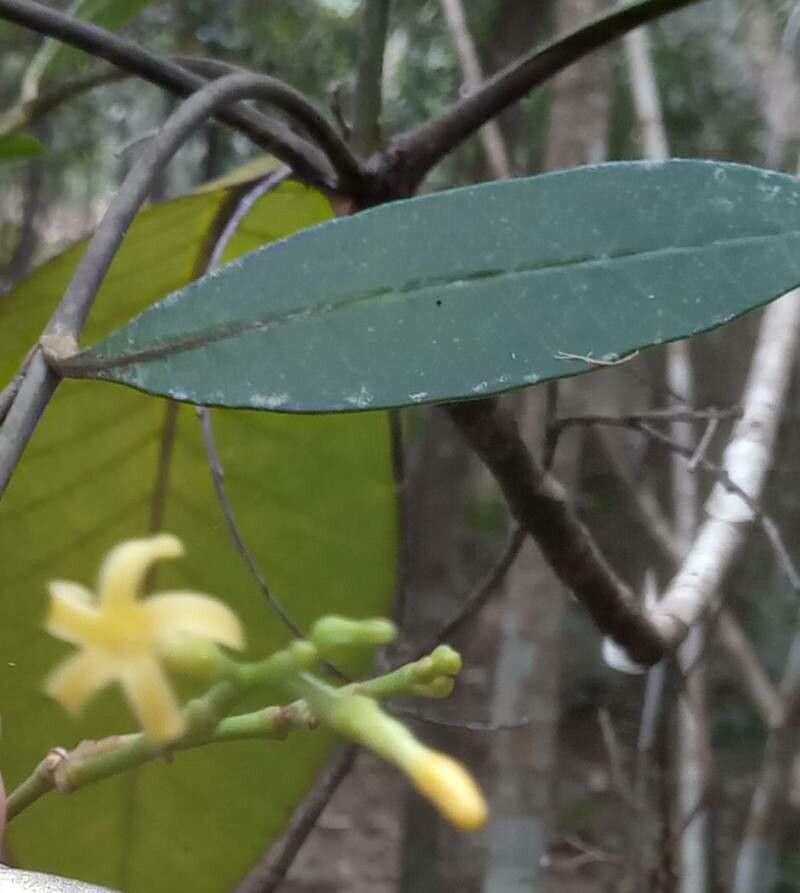
Hello, fellow plant lovers! I’m so excited to chat with you today about a truly delightful plant: Alstonia vieillardii. If you’re drawn to its striking foliage and the promise of a unique, tropical feel in your garden or home, you’re in for a treat. And the best part? You can quite easily bring more of these beauties into your life by propagating them. It’s a wonderfully rewarding process, giving you not just new plants, but a deeper connection to the green world around us. Now, I won’t sugarcoat it – while Alstonia vieillardii isn’t the absolute easiest plant for a complete beginner, it’s definitely achievable with a little patience and the right approach. You can do this!
The Best Time to Start
Timing is everything in the garden, isn’t it? For Alstonia vieillardii, the spring and early summer months are your golden ticket. This is when the plant is actively growing and has the most energy to dedicate to developing new roots. Look for healthy, new growth – often a bit softer and more flexible than the older wood. This tender growth tends to root more readily.
Supplies You’ll Need
Before we get our hands dirty, let’s gather our tools. Having everything ready makes the process smooth and less stressful.
- Sharp Pruning Shears or a Clean Knife: For making clean cuts.
- Rooting Hormone Powder or Gel: This isn’t strictly necessary for Alstonia but can give those new cuttings a helpful boost.
- Well-Draining Potting Mix: A mix of peat moss, perlite, and a bit of coco coir works wonderfully. You want something that holds moisture but doesn’t become waterlogged.
- Small Pots or Propagation Trays: Clean, empty containers for your cuttings.
- Plastic Bags or a Propagation Dome: To create a humid environment.
- Watering Can with a Fine Rose: For gentle watering.
- Optional: Heating Mat: For providing gentle bottom heat.
Propagation Methods
The most reliable way to propagate Alstonia vieillardii is through stem cuttings. It’s straightforward and gives excellent results.
Stem Cuttings
- Select Your Cuttings: Choose healthy stems that are a good six inches long. Make sure they have at least a few sets of leaves.
- Make the Cut: Using your sharp shears or knife, make a clean cut just below a leaf node (where a leaf attaches to the stem). This is where the plant is most likely to develop roots.
- Prepare the Cutting: Gently remove the lower leaves, leaving just the top two or three leaves. If the leaves are very large, you can even cut them in half to reduce water loss.
- Apply Rooting Hormone (Optional): Dip the cut end of the stem into your rooting hormone, tapping off any excess.
- Plant Your Cuttings: Fill your pots with the well-draining potting mix. Make a small hole in the center with your finger or a pencil, then insert the cutting so that the leaf nodes are buried. Gently firm the soil around it.
- Water Gently: Water the soil thoroughly but gently. You want it moist, but not soggy.
- Create a Humid Environment: Cover the pots with a plastic bag (supported by stakes so it doesn’t touch the leaves) or place them under a propagation dome. This traps humidity, which is crucial for cuttings to root.
- Provide Light and Warmth: Place the pots in a bright spot out of direct sunlight. A little warmth can really help. If you have a heated mat, place the pots on it.
The “Secret Sauce” (Pro Tips)
As you gain experience, you’ll notice little tricks that make a big difference. Here are a couple I’ve picked up over the years:
- Don’t Let the Leaves Touch the Water: Even with cuttings planted in soil, if condensation drips onto the leaves, it can lead to fungal issues. Keep the plastic bag from collapsing onto your precious baby plants.
- Bottom Heat is Your Friend: While not absolutely mandatory, providing gentle bottom heat (around 70-75°F or 21-24°C) can significantly speed up root development. It mimics the warmth of spring soil and gives your cuttings that extra nudge.
Aftercare & Troubleshooting
Once your cuttings show signs of life – and you’ll see new growth emerging from the leaf nodes or tip – it’s time for a bit of tender loving care.
- Gradual Acclimation: Once roots have formed (you can gently tug on a cutting to feel resistance, or if you used clear pots, you might see roots), gradually start to remove the plastic bag over a week or so. This helps them adjust to ambient humidity.
- Consistent Moisture: Keep the soil consistently moist but never waterlogged. Overwatering is the quickest way to invite problems.
- Light Adjustment: Continue to provide bright, indirect light. As the plant grows stronger, you can slowly introduce it to slightly more light.
The most common problem you’ll encounter is rot. If you see your cuttings turn mushy and black, it’s usually a sign of too much moisture and not enough air circulation. If this happens, don’t be discouraged! It’s all part of the learning process. Sometimes, if rot is just starting, you can try trimming away the affected part and placing the healthier section in fresh, dry medium.
A Gentle Encouragement
Growing new plants from cuttings is a magical experience. It takes a bit of patience, a watchful eye, and a willingness to learn from every attempt, successful or not. Enjoy the process, celebrate the small victories – like that first tiny new leaf – and before you know it, you’ll have a collection of your very own Alstonia vieillardii. Happy propagating!
Resource: