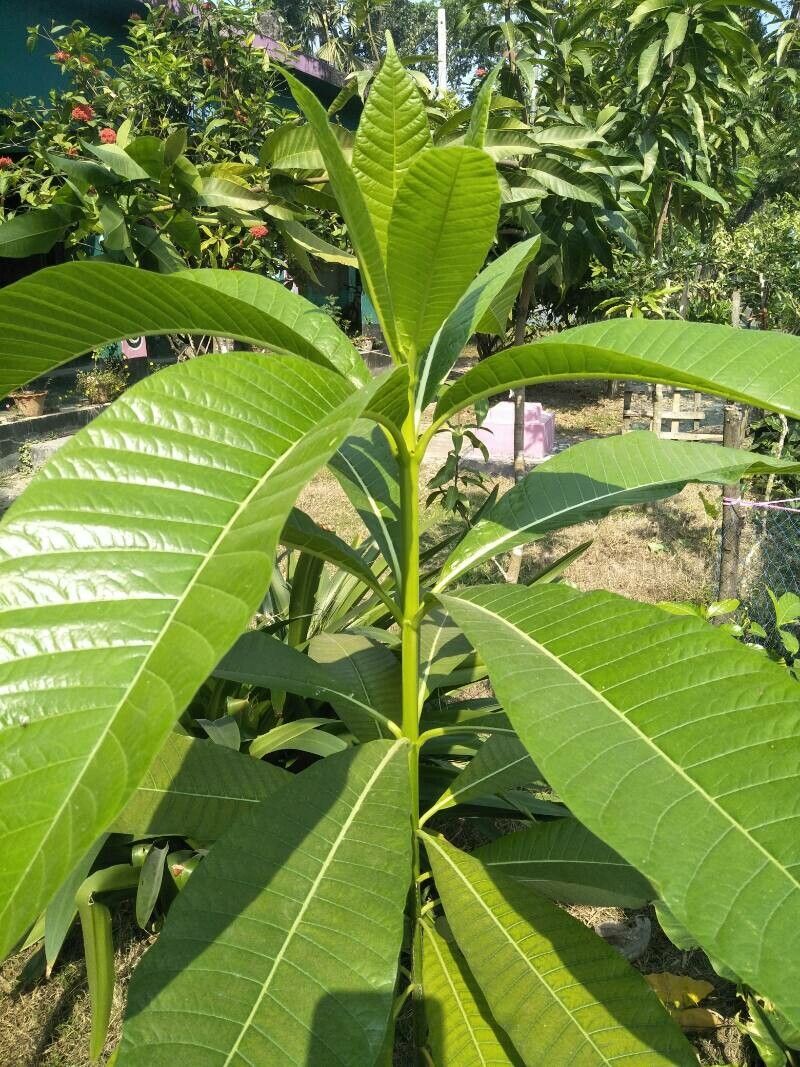
Hey there, fellow plant lovers! I’m so excited to chat with you today about a truly special tree: Alstonia macrophylla, often called the broadleaf Alstonia or, in some places, a cork tree. I’ve been growing and marveling at these beauties for two decades, and trust me, there’s something incredibly rewarding about bringing a new one to life from a tiny cutting. If you’re looking for a plant with gorgeous, glossy leaves and a great story to tell in your garden, you’re in for a treat.
Now, is it easy for beginners? I’d say Alstonia macrophylla is moderately easy. It’s not one of those foolproof, “stick it in water and forget it” kinds of plants, but with a little care and attention, you’ll absolutely have success. The payoff is well worth the effort, in my opinion!
The Best Time to Start
You’ll find the most success when you propagate Alstonia macrophylla from softwood or semi-hardwood cuttings during its active growing season. For most of us, this means late spring through mid-summer. This is when the plant has plenty of energy and is eager to grow, making it more receptive to rooting. Avoid taking cuttings during the plant’s dormant period; you’ll just be fighting an uphill battle.
Supplies You’ll Need
Before we get our hands dirty, let’s gather our supplies. Having everything ready makes the whole process so much smoother:
- Sharp Pruning Shears or a Craft Knife: For clean cuts, which are crucial for good rooting.
- Rooting Hormone: A powdered or liquid rooting hormone will give your cuttings a significant boost.
- Well-Draining Potting Mix: I like to use a blend of peat moss or coco coir, perlite, and a little bit of coarse sand. About a 1:1:1 ratio works wonders.
- Small Pots or Seedling Trays: Clean containers, about 4-6 inches deep, are perfect. Make sure they have drainage holes!
- Clear Plastic Bags or a Propagator Lid: This creates a humid environment, mimicking a greenhouse.
- Water Mister/Spray Bottle: For gently misting your cuttings.
- Labels and a Marker: Don’t forget to label your efforts!
Propagation Methods
Let’s dive into the actual propagation. While division isn’t really an option for a tree like this, stem cuttings are your best bet.
Stem Cuttings: My Go-To Method
This is how I’ve had the most consistent success with Alstonia macrophylla.
- Select Your Cuttings: Look for healthy, vigorous stems from your mature Alstonia. Aim for stems that are about 6-8 inches long and have a pencil-like thickness. You want to take pieces where the stem is starting to firm up a bit – not brand new, floppy growth, but not old, woody growth either.
- Make Your Cut: Using your clean, sharp shears, make a cut just below a leaf node. A leaf node is where a leaf or bud emerges from the stem. This is where the magic happens for root formation.
- Prepare the Cutting: Remove the lower leaves, leaving only two or three at the very top. This reduces water loss and prevents leaves from rotting when buried. If the remaining leaves are very large, you can even cut them in half horizontally to further reduce transpiration.
- Apply Rooting Hormone: Dip the cut end of the stem into your rooting hormone, tapping off any excess. Make sure the cut end is thoroughly coated.
- Plant Your Cuttings: Fill your small pots with your prepared, well-draining potting mix. Moisten the mix slightly. Then, using a pencil or your finger, make a small hole in the soil. Gently insert the cut end of your Alstonia cutting into the hole, and firm the soil gently around the stem. Make sure the node where you removed the leaves is buried.
- Create a Humid Environment: Lightly water the soil. Then, cover the pot with a clear plastic bag, securing it with a rubber band, or place it under a propagator lid. This traps humidity around your cuttings, which is vital for them to root. Place the pots in a bright location but out of direct, harsh sunlight.
The “Secret Sauce” (Pro Tips)
Here are a few things I’ve learned over the years that can really make a difference:
- Don’t Let Leaves Touch Water: If you’re trying water propagation (though I find cuttings in soil more reliable for Alstonia), make absolutely sure none of the leaves are submerged. Roots will form on submerged leaves, but they’ll quickly rot, taking the whole cutting with them.
- Bottom Heat is Your Friend: Alstonia macrophylla really thrives with warmth at its base. If you have a heating mat designed for seedlings, placing your pots on top of it can significantly speed up the rooting process. It mimics the warm soil of summer.
- Rotate Your Pots: Every few days, give your pots a quarter turn. This helps ensure all sides of the cutting receive even light and encourages straighter root growth.
Aftercare & Troubleshooting
Be patient! It can take several weeks to a few months for your Alstonia cuttings to develop a robust root system.
- Check for Roots: You’ll know they’re ready when you see new leaf growth and, if you gently tug on the cutting (be very gentle!), you feel resistance. You can also carefully tip the pot out to inspect the roots.
- Acclimatize Gradually: Once rooted, slowly start to introduce the new plants to less humid conditions. Open the plastic bag a little each day for a week or so.
- Repotting: When your plants have a good root system and are showing vigorous new growth, you can transplant them into slightly larger individual pots using a good quality potting mix. Keep them in bright, indirect light and water them when the top inch of soil feels dry.
Now, about troubleshooting. The most common issue you might face is rot. If your cutting turns black and mushy, it’s a sign of too much moisture and not enough air circulation. Make sure your soil mix is airy, and avoid overwatering. If you see wilting without any signs of rot, it could be that the cutting is drying out too quickly – ensure that humidity dome is in place!
A Encouraging Closing
Propagating Alstonia macrophylla is a journey, and like any journey, it has its ups and downs. Don’t be discouraged if your first attempt isn’t a roaring success. Learn from it, adjust your approach, and try again. The sheer joy of watching a tiny cutting transform into a young tree ready to find its place in your garden is an experience that never gets old. So, grab your shears, gather your supplies, and get planting. Happy gardening!
Resource:
https://identify.plantnet.org/k-world-flora/species/Alstonia%20macrophylla%20Wall.%20ex%20G.Don/data