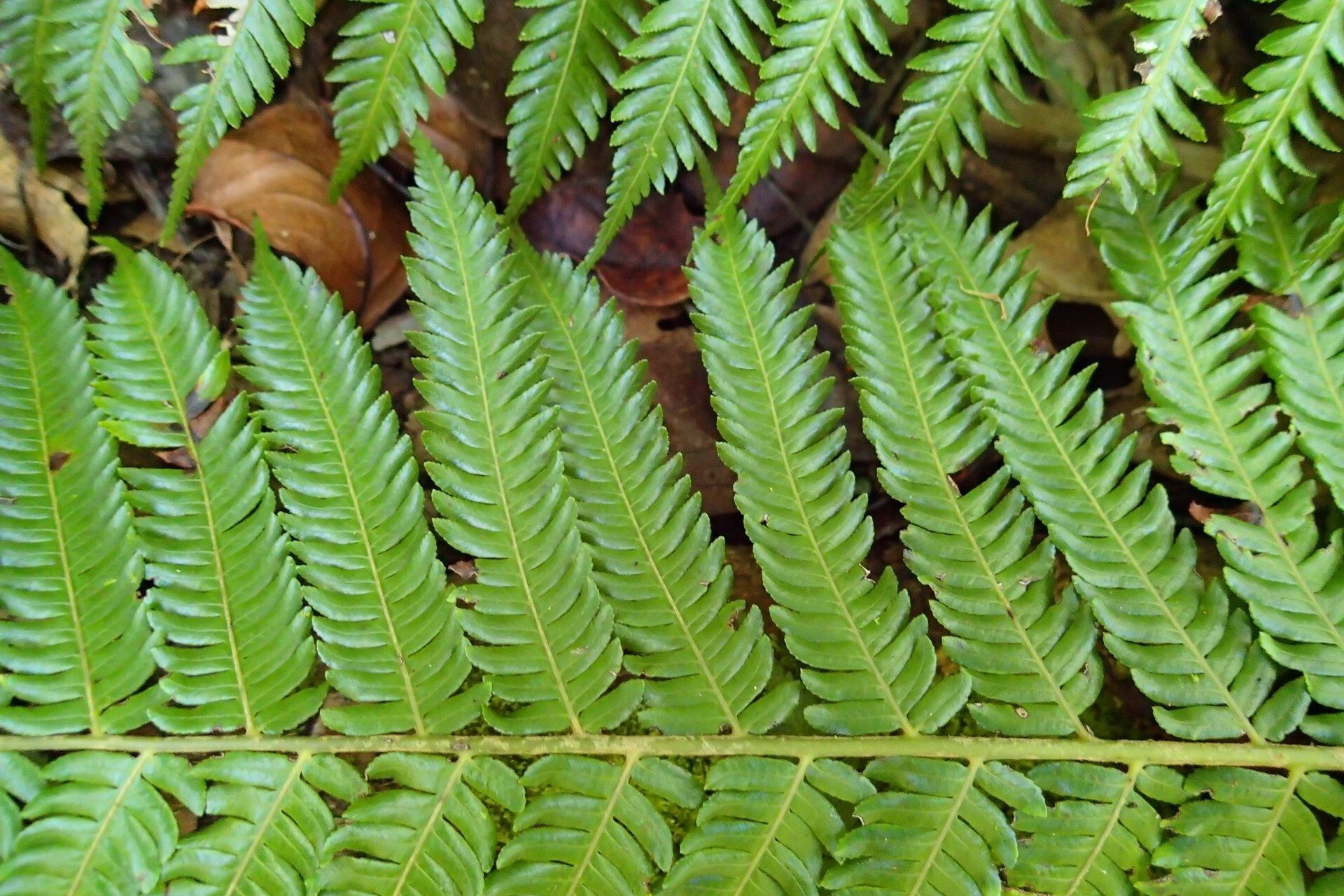
Hello fellow plant lovers! Today, we’re diving into the fascinating world of Alsophila stelligera, also known as the Star Fern. If you’re looking to add a touch of architectural elegance to your garden or indoor jungle, this fern is a real showstopper. Its fronds unfurl with a delightful spiral, and those star-like patterns on the undersides? Simply divine. Propagating it is a wonderful way to multiply that beauty, and while it might seem a tad more involved than sprouting a common pothos, it’s absolutely achievable. I wouldn’t call it a beginner plant for propagation, but with a little care and attention, you’ll be rewarded with new little ferns to share or cherish.
The Best Time to Start
For Alsophila stelligera, the sweet spot for propagation is during its active growing season. Think late spring through summer. This is when the plant is energized, putting out new growth, and has the reserves to dedicate to forming new roots. Trying to propagate when the plant is dormant is like asking it to run a marathon with empty fuel tanks – it just won’t go as well!
Supplies You’ll Need
Here’s what you’ll want to have on hand to set yourself up for success:
- Sharp pruning shears or a clean knife: For making precise cuts. We want to avoid tearing.
- Well-draining potting mix: A good quality mix formulated for ferns or a custom blend of peat moss, perlite, and compost usually does the trick.
- Small pots or containers: With drainage holes, of course!
- Plastic bags or a propagation dome: To create a humid environment.
- Watering can or spray bottle: For gentle hydration.
- Rooting hormone (optional but recommended for stem cuttings): This can give your cuttings a bit of a boost.
- A small trowel or spoon: For scooping soil.
Propagation Methods
Alsophila stelligera is primarily propagated through division and to a lesser extent, spores, though spores are a more advanced endeavor for fern enthusiasts. Let’s focus on division, as it’s the most straightforward and rewarding for home gardeners.
Division: The Gentle Art of Splitting
Ferns like Alsophila stelligera often produce new plantlets or offsets from their base. This is your golden ticket to propagation.
- Assess your fern: Look for a mature plant that has clearly discernible offsets growing from the rhizome (the thick, creeping stem). These offsets should ideally have their own tiny leaves.
- Gently remove the plant from its pot: If it’s in the ground, carefully dig around the root ball.
- Inspect the rhizome: You’ll see where the main plant connects to the offsets. Look for natural separation points where a new plantlet has already begun to form its own roots.
- Separate with care: Using your sharp pruning shears or knife, carefully cut or tease apart the offset from the mother plant. Aim to salvage as many of the offset’s roots as possible. If roots are heavily intertwined, be patient and work them loose gently.
- Plant your new divisions: Fill your small pots with your well-draining potting mix. Make a little well in the center for each division. Place the offset in the pot, ensuring the rhizome is at or slightly below the soil surface, and gently firm the soil around it.
- Water thoroughly: Give the newly potted divisions a good watering to settle the soil.
The “Secret Sauce” (Pro Tips)
- Avoid overwashing your divisions: After watering them in, let them dry out slightly between waterings. Ferns hate soggy feet, and divisions are no exception. A little dryness encourages root development.
- Humidity is key: For newly divided ferns, mimicking their natural humid environment is crucial. Pop a plastic bag loosely over the pot or place it inside a propagation dome. Make sure the leaves don’t touch the plastic, as this can encourage rot. Open it daily for a few minutes to allow for air circulation.
- Think about bottom heat (optional): If you’re doing this in a cooler part of the year, a gentle seedling heat mat placed under the pots can really speed up root formation. It provides that cozy warmth ferns love.
Aftercare & Troubleshooting
Once your divisions are potted, place them in a location with bright, indirect light. Avoid direct sun, which can scorch their delicate new foliage. Keep the soil consistently moist but not waterlogged. You’ll know they’re happy when you see new frond growth developing.
The most common issue you might encounter is rot. This usually happens from overwatering or poor drainage. If you notice the leaves turning yellow and mushy, or if the rhizome feels soft and is turning black, this is a sign of rot. Unfortunately, often there’s not much to be done once it sets in. Prevention is key! Ensure excellent drainage and let the soil surface dry slightly between waterings. Another sign of potential trouble is if the fronds start to wilt significantly even after watering. This could also indicate root rot or that the division wasn’t successful in establishing new roots.
A Little Patience Goes a Long Way
Propagating any plant is an act of hope and patience. Don’t be discouraged if your first attempt isn’t an instant success. Observe your new ferns, learn from them, and most importantly, enjoy the process of growing something new. Happy gardening!
Resource: