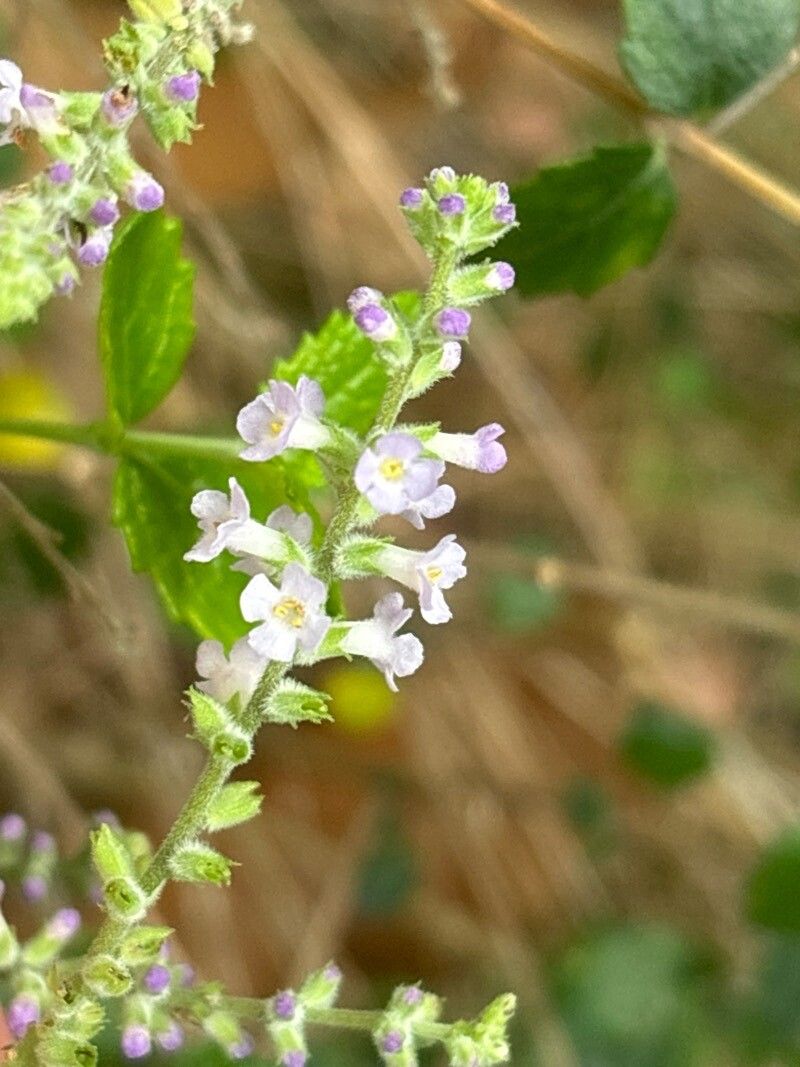
Ah, our lovely Lemon Verbena, Aloysia chamaedryfolia! If you haven’t met this gem yet, prepare for a treat. Its intensely fragrant, citrusy leaves are a gardener’s dream, perfect for teas, potpourri, or just breathing in on a warm evening. And the best part? You can easily fill your garden (or your windowsills!) with more of these beauties by propagating them yourself. It’s a wonderfully rewarding process that connects you even deeper with your plants. For beginners, I’d say Aloysia chamaedryfolia is moderately easy to propagate. It’s not as foolproof as a pothos, but with a little care and the right approach, you’ll be celebrating success.
The Best Time to Start
The sweet spot for propagating Aloysia chamaedryfolia is really when the plant is actively growing but before it gets too woody. Think late spring through early summer. This is when the stems have some nice new growth, but haven’t hardened off completely. You’ll be aiming for “semi-hardwood” cuttings. Trying to propagate too early in spring or late in the season might mean slower rooting or less vigor in your new plants.
Supplies You’ll Need
Gathering your tools beforehand makes the whole process smoother! Here’s what I always have on hand:
- Sharp Pruning Shears or a Knife: Clean cuts are essential to prevent disease.
- Rooting Hormone Powder or Gel: This is a game-changer for encouraging strong root development.
- Small Pots or Seed Starting Trays: With drainage holes, of course!
- Potting Mix: A well-draining mix is crucial. I usually use a blend of equal parts peat moss or coco coir, perlite, and a bit of compost. You can also buy a good quality seed starting mix.
- Plastic Bags or a Propagation Dome: To create a humid environment for your cuttings.
- Watering Can with a Fine Rose: For gentle watering.
- Labels and a Pen: To remember what you’ve planted and when!
Propagation Methods
Stem cuttings are by far the most reliable and practical way to propagate Aloysia chamaedryfolia. Here’s how I do it:
Stem Cuttings:
- Take Your Cuttings: On a mild, overcast morning (less stress on the plant), select healthy, non-flowering stems from a mature plant. You’re looking for stems that have some new growth but are starting to firm up – not floppy soft, not hard and woody.
- Cut Them Up: Using your clean shears or knife, take cuttings that are about 4-6 inches long. Make the cut just below a leaf node (where a leaf attaches to the stem). This is where the magic happens for rooting.
- Prepare the Cuttings: Gently remove the lower leaves from about half to two-thirds of the cutting. Leave a few sets of leaves at the top. This reduces water loss and prevents leaves from rotting in the soil.
- Dip in Rooting Hormone: Moisten the cut end of each cutting slightly with water, then dip it into your rooting hormone, tapping off any excess. This step is critical for encouraging quick and robust root formation.
- Pot Them Up: Fill your small pots or trays with your prepared potting mix. Make a small hole in the center of the mix with a pencil or your finger.
- Insert Cuttings: Gently insert the prepared cutting into the hole, making sure the bottom leaf nodes are buried in the soil. Firm the mix gently around the base of the cutting to ensure good contact.
- Water and Cover: Water the soil thoroughly but gently. Then, cover the pots with a clear plastic bag or place them in a propagation dome. This will create a mini-greenhouse environment, keeping the humidity high, which is essential for preventing the cuttings from drying out before they root.
The “Secret Sauce” (Pro Tips)
Over the years, I’ve learned a few tricks that really boost my success rates:
- Don’t Let Leaves Touch the Water: If you happen to opt for water propagation (though I find soil is better for Lemon Verbena), ensure no leaves are submerged. Any leaf in the water will rot, which can then spread to the stem and kill your cutting before roots even have a chance.
- Bottom Heat is Your Friend: If you have a propagation mat or can place your pots on top of another heat-generating appliance (like a gently operating router), providing a little bottom warmth can significantly speed up root development. It mimics the warmth of a greenhouse floor and really encourages those roots to get going.
- Don’t Peek Too Soon! It’s so tempting to pull up a cutting to check for roots, but resist the urge! Every time you disturb it, you risk damaging delicate new roots. You’ll usually see new leaf growth as the best indicator that your cutting has successfully rooted.
Aftercare & Troubleshooting
Once your cuttings have rooted (which can take anywhere from 4 to 8 weeks, sometimes longer), it’s time to transition them.
- Acclimate Them: Gradually introduce your new plants to normal room air by peeking the plastic bag open for a few hours each day, then removing it entirely over a week.
- Watering: Water when the top inch of soil feels dry. Avoid overwatering, as this is the quickest way to invite rot.
- Light: Place your new plants in a bright, but indirect light location. Direct sun can scorch young leaves.
- Repotting: Once you see good growth and a healthy root system (you might see roots peeking out of drainage holes), you can pot them up into slightly larger containers with fresh potting mix.
The most common sign of failure is wilting that doesn’t recover after watering, followed by stem rot (a mushy, dark base). This usually indicates too much moisture and poor air circulation. If you see this, it’s often best to discard the affected cutting and reassess your watering and humidity levels for the remaining ones.
A Encouraging Closing
Plant propagation is a journey, and with Aloysia chamaedryfolia, you’re embarking on a truly delightful one. Be patient with your little green charges. There will be times when some cuttings don’t make it, and that’s perfectly okay. Every gardener experiences it! Don’t get discouraged. Just keep trying, learn from each batch, and celebrate every success. Before you know it, you’ll have a fragrant forest of Lemon Verbena to share (or keep all to yourself!). Happy propagating!
Resource:
https://identify.plantnet.org/k-world-flora/species/Aloysia%20chamaedryfolia%20Cham./data