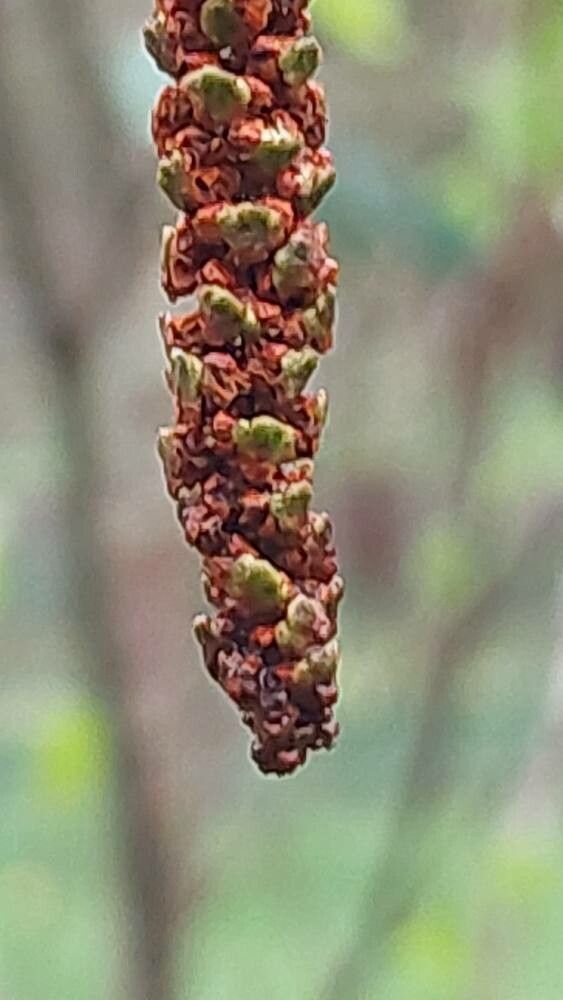
Hello, fellow plant enthusiasts! I’m so excited to chat with you today about a truly special tree: Alnus sieboldiana, also known as the Japanese Alder. This beauty, with its graceful form and lovely foliage, can bring such wonderful character to any garden. And guess what? Propagating it yourself is incredibly rewarding. You get to witness life bursting forth from a simple cutting or seed! Now, if you’re new to the plant propagation game, Japanese Alder might be a tiny bit of a challenge, but don’t let that deter you. With a little patience and these tips, you’ll be well on your way to success.
The Best Time to Start
For Alnus sieboldiana, I’ve found the late spring to early summer is absolutely perfect for taking stem cuttings. This is when the plant is actively growing, so your cuttings have the most energy to put into developing roots. Look for new growth that’s slightly firm but still flexible – not too soft or woody.
Supplies You’ll Need
Here’s what I always have on hand when I’m propagating these lovely trees:
- Sharp pruning shears or a clean knife: For making clean cuts.
- Rooting hormone powder or gel: This is a real game-changer for encouraging root development.
- Well-draining potting mix: I often use a mix of equal parts perlite, peat moss, and composted bark. You want something that won’t stay soggy.
- Small pots or seed trays with drainage holes: Cleanliness is key here!
- Plastic bags or a propagator lid: To create a humid environment.
- Watering can with a fine rose: Gentle watering is essential.
- Labels and a permanent marker: To keep track of what you’ve planted!
Propagation Methods
Let’s dive into how we can coax new life from our Japanese Alder.
Stem Cuttings
This is my go-to method for Alnus sieboldiana.
- Take your cuttings: Using your sharp shears or knife, select healthy, non-flowering stems from your established Japanese Alder. Aim for cuttings that are about 6 to 8 inches long. Make a clean cut just below a leaf node (where a leaf attaches to the stem).
- Prepare the cuttings: Gently remove the lower leaves from the cutting, leaving just a few at the top. This helps prevent them from rotting in the soil. If the leaves are quite large, you can even trim them in half to reduce water loss.
- Apply rooting hormone: Dip the cut end of the stem into your chosen rooting hormone, coating about an inch of the base. Tap off any excess.
- Pot them up: Fill your clean pots or trays with your prepared potting mix. Make a small hole in the center with a pencil or your finger. Insert the treated end of the cutting into the hole, and gently firm the soil around it.
- Water and cover: Water the soil thoroughly but gently. Then, cover the pot or tray with a plastic bag or a propagator lid to maintain high humidity. If using a bag, prop it up with stakes so it doesn’t touch the leaves.
Water Propagation (With a Caveat!)
While sometimes possible, I find water propagation a bit trickier for woody plants like alder, as they can be prone to rot. If you do want to try it:
- Prepare your cuttings as you would for soil propagation, but skip the rooting hormone.
- Place the cuttings in a glass or jar of clean water. Ensure no leaves are submerged.
- Place the jar in a bright spot, but out of direct sunlight.
- Change the water every few days to keep it fresh. You’re looking for tiny white roots to emerge. Once you see a few roots about an inch long, carefully transplant them into your well-draining potting mix.
The “Secret Sauce” (Pro Tips)
Here are a couple of things I’ve learned over the years that make a real difference:
- Bottom Heat is Your Friend: Investing in a heated propagation mat can significantly speed up root development. It provides consistent, gentle warmth from below, which is just what those developing roots need to thrive in the potting mix.
- Cleanliness Prevents Calamities: I can’t stress this enough! Sterilize your tools, pots, and even your hands before you begin. This prevents the introduction of any fungal or bacterial diseases that can quickly turn a promising cutting into a mushy mess.
- Airflow Matters (Eventually): While humidity is crucial initially, once your cuttings start to show new growth, you’ll want to gradually introduce more air. Begin by opening the propagator lid or the plastic bag for a few minutes each day, slowly increasing the time until the young plants are acclimatized to normal room humidity.
Aftercare & Troubleshooting
Once you see roots forming (you can gently tug on a cutting – if there’s resistance, you’ve got roots!), it’s time for more careful tending.
Keep the soil consistently moist but not waterlogged. Continue to monitor humidity. If you see any signs of blackening or mushiness at the base of the cutting, it’s likely rot. This often happens when there’s too much moisture and not enough airflow. Unfortunately, once rot sets in, it’s usually game over for that cutting. If you catch it early, you might be able to trim away the affected part and try to improve conditions, but prevention is truly the best strategy. Gradually acclimate your rooted cuttings to normal conditions before planting them out in their final spot.
A Little Patience Goes A Long Way
Propagating plants is a journey, and sometimes nature has her own timeline. Don’t get discouraged if not every attempt is a roaring success. Celebrate the victories, learn from any setbacks, and most importantly, enjoy the rewarding process of nurturing new life. Happy propagating!
Resource:
https://identify.plantnet.org/k-world-flora/species/Alnus%20sieboldiana%20Matsum./data