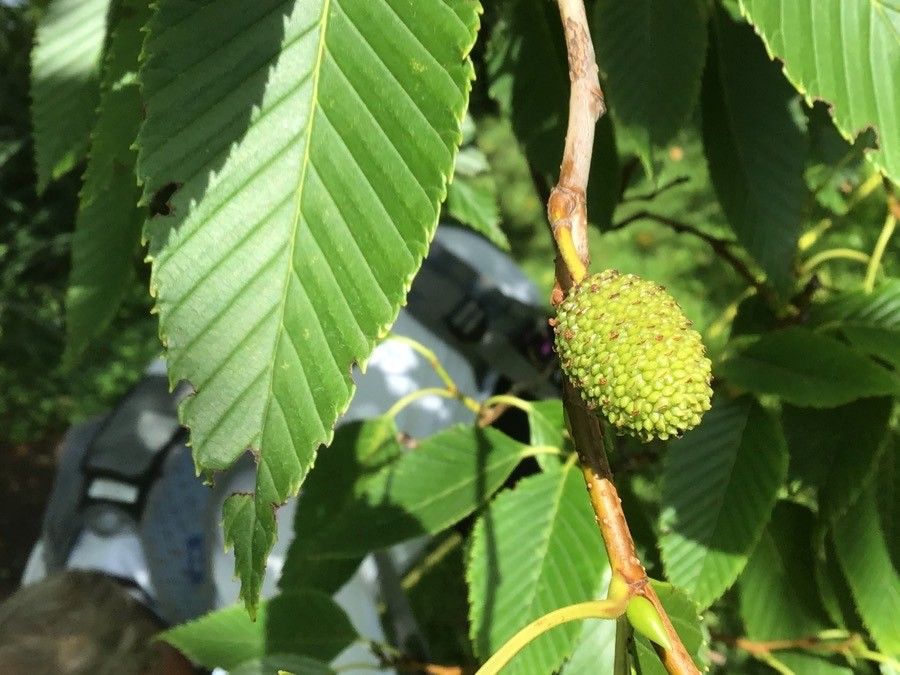
Hello fellow plant lovers! Today, we’re diving into the wonderful world of propagating Alnus firma, also known as Japanese Alder. If you’re anything like me, you’re drawn to its graceful form and the subtle beauty it brings to any garden. And the best part? Bringing more of these beauties into your life through propagation is surprisingly rewarding.
Now, don’t let the botanical name fool you. While some propagation can be a bit fiddly, I find Alnus firma to be quite giving. It’s a good one to try your hand at, whether you’re just starting out or have a few seasons under your belt. You’ll be watching little alders sprout in no time if you give them a little TLC.
The Best Time to Start
For the highest success rate with your Alnus firma cuttings, I’ve found that late spring to early summer is your sweet spot. Think about when the plant is in full growth, pushing out new, vibrant shoots. These semi-hardwood cuttings are often the most eager to root. Avoid taking cuttings from very old, woody stems or brand new, floppy growth.
Supplies You’ll Need
Here’s a little kit to get you going:
- Sharp Pruning Shears or a Knife: Clean cuts are crucial!
- Rooting Hormone: A powder or gel will really give your cuttings a boost.
- Well-Draining Potting Mix: A mix of perlite, peat moss, and a bit of coco coir works wonders. You want something that won’t hold too much moisture.
- Small Pots or Trays: Clean ones are essential to prevent disease.
- Plastic Bags or a Propagation Dome: To keep humidity high.
- Water: For moistening your soil and potentially for water propagation.
Propagation Methods
We’ll focus on stem cuttings, which I find to be the most reliable for Alnus firma.
Stem Cuttings
- Select Your Cuttings: Look for healthy stems that are about pencil thickness and 4-6 inches long. You want to see a few leaves along the stem and a node (where a leaf attaches).
- Take Your Cuttings: Using your sterilized pruning shears or knife, make a clean cut just below a node. Remove any lower leaves that might end up below the soil line. If the chosen stem has larger leaves, I like to cut them in half to reduce water loss. This is a little trick that makes a big difference.
- Prepare the Cuttings: Dip the cut end of each cutting into your rooting hormone, ensuring it’s coated. Gently tap off any excess.
- Plant the Cuttings: Fill your pots with the moist potting mix. Make a small hole with a pencil or your finger, and insert the cutting, ensuring the node is buried. Gently firm the soil around the base.
- Create a Humid Environment: Water the soil lightly. Then, cover the pots with a plastic bag or a propagation dome. If using a bag, prop it up with sticks so it doesn’t touch the leaves. Place them in a bright spot, but out of direct sunlight.
The “Secret Sauce” (Pro Tips)
Here are a few things I’ve learned over the years that really help:
- Bottom Heat is Your Friend! If you have a heat mat designed for seedlings, place your pots on it. This provides warmth to the base of the cuttings, encouraging root development. It’s like giving them a cozy heated blanket.
- Don’t Drown Your Cuttings! While humidity is key, soggy soil is the enemy. Water when the top inch of soil feels dry, not on a schedule. I always err on the side of slightly too dry rather than too wet.
- Be Patient with Leaf Removal: If the leaves you left on start to yellow or drop, don’t panic immediately. This can be a sign they’re exhausting their energy reserves to root. However, if the stem itself starts to look mushy, that’s a bad sign.
Aftercare & Troubleshooting
Once you see signs of new growth, usually tiny leaves emerging, that’s a good indicator roots are forming. You can gently tug on a cutting – if there’s resistance, you’ve got roots! Continue to keep them in a humid environment and gradually acclimate them to lower humidity over a week or two by opening the bag or dome a little more each day.
The most common problem you’ll encounter is rot. This is usually due to overwatering or poor drainage. If you see your cuttings going black and mushy, it’s a good sign they’ve rotted. Unfortunately, once that happens, they’re usually unsalvageable. Always err on the side of caution with watering.
A Encouraging Closing
Growing new plants from cuttings is such a rewarding journey. It teaches you patience and observation, and there’s a special kind of joy in nurturing something from a simple stem. Trust your instincts, enjoy the process, and celebrate every little bit of progress. Happy gardening!
Resource:
https://identify.plantnet.org/k-world-flora/species/Alnus%20firma%20Siebold%20&%20Zucc./data