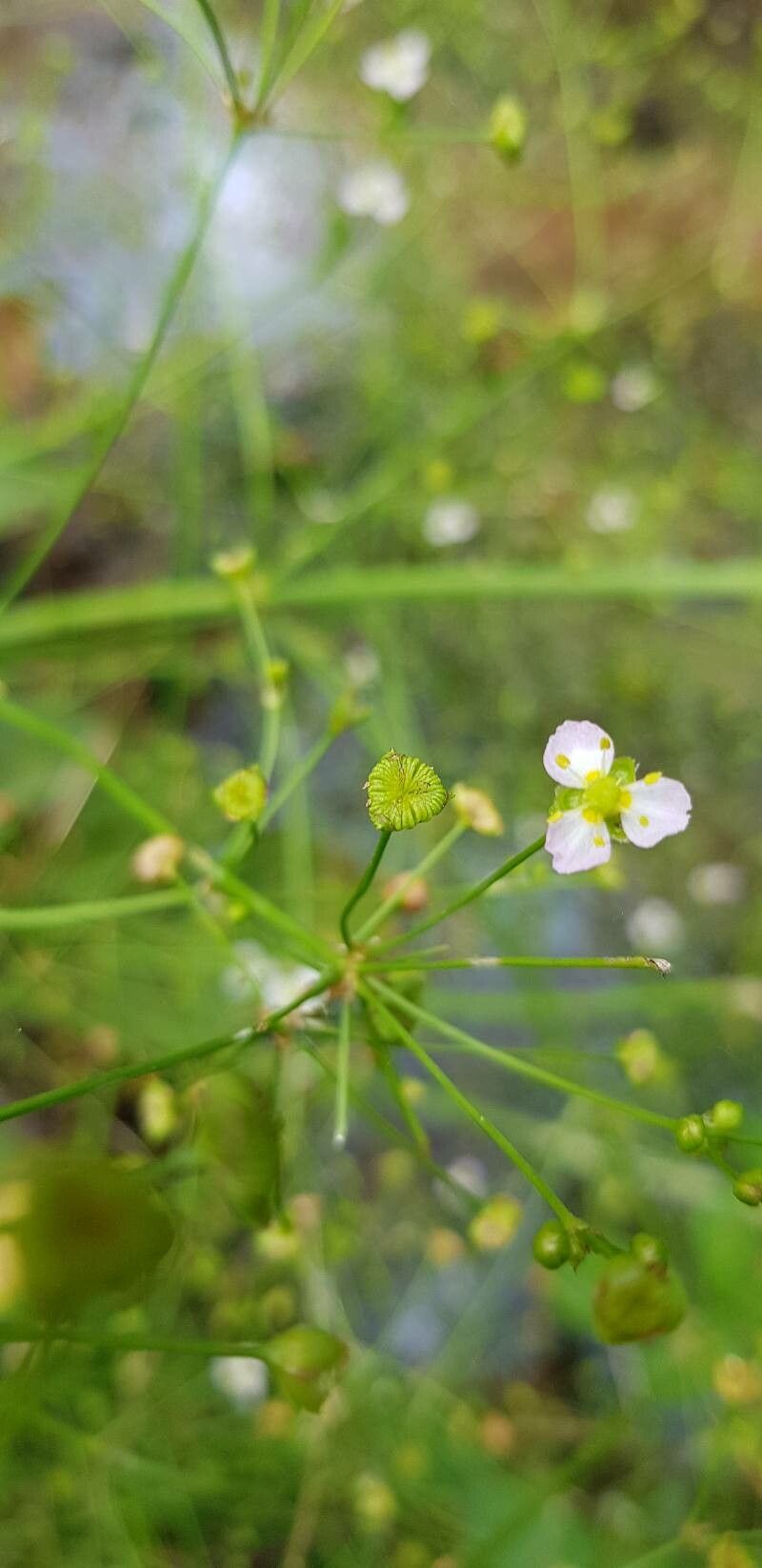
Oh, hello there! Come on in and pull up a chair. I’ve got my favorite mug right here, and I’m just bursting to tell you about a gem of a water plant: Alisma plantago-aquatica, or as we often call it, the Common Water Plantain.
A Splash of Green to Brighten Your Pond
Isn’t this plant just delightful? With its elegant, upright leaves and charming little white or pale pink flowers that appear in summer, it adds a wonderful, natural touch to any water feature. Whether you have a grand pond or a small water garden container, the Water Plantain brings a bit of the wild marsh into your space. And the best part? Propagating it is incredibly rewarding. You can clone this beauty to fill out your garden, share with fellow plant lovers, or even start a whole collection! Thankfully, it’s quite forgiving, even for those just dipping their toes into aquatic plant propagation.
The Best Time to Start
For the highest success rate, I always recommend propagating Alisma plantago-aquatica in late spring or early summer. This is when the plant is in its active growth phase. You’ll see plenty of new shoots emerging, and the weather is reliably warm, which helps cuttings root quickly. Waiting until the plant is well-established after its initial spring growth spurt is key.
Supplies You’ll Need
Here’s what you’ll want to have on hand before you get started:
- Sharp, clean pruning shears or a sharp knife: For making clean cuts.
- Empty containers or pots: Small ones are fine for starting.
- A good quality potting mix: I prefer a mix formulated for water plants or a blend of peat moss, sand, and compost. You want something that retains moisture but also drains well.
- A watering can or mister: For keeping things moist.
- Optional: Rooting hormone powder: While not strictly necessary for Alisma, it can give cuttings a helpful boost.
- Optional: A shallow tray or saucer: To place your pots in for consistent moisture.
Propagation Methods
There are a couple of straightforward ways to multiply your Water Plantain.
1. Division (My Favorite!)
This is by far the easiest and most reliable method for Alisma.
- Timing is everything: Dig up the parent plant in late spring or early summer, just as it’s starting to produce new growth.
- Gently tease apart: Carefully brush off excess soil. You’ll notice that the plant naturally forms clumps or offsets from its base. Gently pull or cut the clumps apart, ensuring each division has at least a few healthy leaves and some roots.
- Repot: Plant each new division into its own pot. Use your water plant potting mix. Don’t pack the soil too tightly.
- Water and settle: Place the potted divisions in a shallow tray of water, or if you’re planting directly into a pond or water garden, submerge the pot so the top of the soil is just below the water surface.
2. Stem Cuttings (A Bit More Involved)
This method works well, especially if you want to create many new plants.
-
Select healthy stems: Look for new, non-flowering shoots that are at least 3-4 inches long. These are usually found at the base of the plant.
-
Make a clean cut: Using your sharp shears or knife, cut the stem just below a leaf node. A leaf node is a small bump on the stem where a leaf grows.
-
Prepare the cutting: Gently remove the lower leaves from the cutting, leaving just a few at the top. If you’re using rooting hormone, dip the cut end into the powder now.
-
Indoors or Outdoors? You can try rooting these cuttings in two ways.
- Water Propagation: Place the cuttings in a jar or vase filled with clean water. Make sure no leaves are submerged in the water, as they will rot. Change the water every few days.
- Moist Soil: Plant the cuttings directly into small pots filled with your moist potting mix. You can stick a few cuttings into each pot.
-
Provide humidity: For stem cuttings, especially if you’re trialing the water method, keeping them in a bright spot with some humidity is beneficial. A small propagator or even covering the pot with a plastic bag can help.
The “Secret Sauce” (Pro Tips)
Here are a couple of things I’ve learned over the years that make a big difference.
- Don’t drown your cuttings: When water propagating stem cuttings, it’s absolutely crucial that no leaves touch the water. They will turn mushy and rot, taking your delicate cutting with them! Pinch off any leaves that might be submerged.
- Patience with roots: For divisions, roots are usually already present. But for stem cuttings, be patient. It can take several weeks for roots to develop sufficiently. Don’t be tempted to tug on them to check; you’ll feel resistance when they’re ready.
- The magic of bottom heat: If you’re having trouble with stem cuttings rooting, especially in cooler weather, a gentle heat mat placed under your pots can work wonders. It encourages root development from below without drying the soil too quickly.
Aftercare & Troubleshooting
Once you see those first signs of roots – whether it’s new leaf growth on a cutting or a robust clone from division – you’re almost there!
- Gradual introduction: If you rooted cuttings in water, gradually acclimate them to less humid conditions before planting. For potted divisions, ensure the soil stays consistently moist.
- Planting out: Once your plants are well-rooted, you can plant them in their permanent spots in your pond or water garden. Ensure they are placed at the correct depth.
- Signs of trouble: The most common problem you’ll encounter is rot. This is usually a sign of too much moisture in the soil without enough air circulation, or those pesky submerged leaves in water propagation. If a cutting or division looks slimy, discolored, or just wilts without reason, it might be rot. Unfortunately, there’s often no coming back from severe rot, so prevention is key!
Enjoy the Green Journey!
Propagating Alisma plantago-aquatica is a joyful way to deepen your connection with your garden and invite more beauty into your life. Don’t worry if every single attempt doesn’t work out perfectly. Gardening is a journey, and each new plant you nurture is a small triumph. Be patient, observe your plants, and most importantly, have fun with it! Happy gardening!
Resource:
https://identify.plantnet.org/k-world-flora/species/Alisma%20plantago-aquatica%20L./data