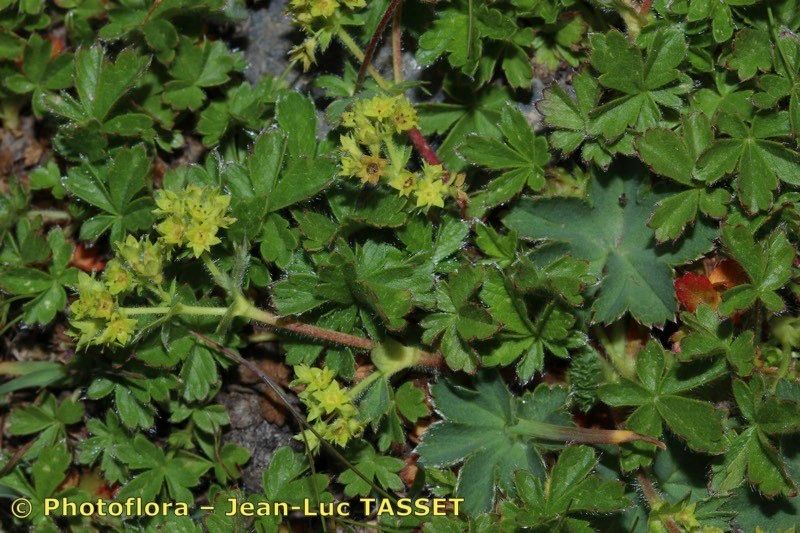
Oh, Alchemilla colorata! What a gorgeous plant to have in the garden. Its delicate, frothy sprays of chartreuse green, often with hints of bronze or rose depending on the light and season, are just stunning. And those lovely, lobed leaves? They really do catch the dew like little jewels. Growing more of these beauties is a fantastic idea, and I’m happy to share how I do it. Honestly, propagating Alchemilla colorata is quite forgiving, even for those just starting their gardening journey. It’s a truly rewarding way to fill your garden beds or share these charmers with friends.
The Best Time to Start
For Alchemilla colorata, the sweet spot for propagation is late spring to early summer. This is when the plant is actively growing and has plenty of energy to put into developing new roots. You’re looking for new, non-woody growth – think soft, pliable stems just starting to firm up. Avoid taking cuttings from very old, woody stems or from a plant that’s stressed from heat or drought.
Supplies You’ll Need
Gathering your tools beforehand makes the whole process so much smoother. Here’s what I usually have on hand:
- Sharp pruning shears or a clean knife: For making clean cuts.
- Potting mix: A well-draining mix is key. I often use a blend of equal parts peat moss or coco coir, perlite, and a good quality potting soil.
- Small pots or trays: Clean and with drainage holes, of course!
- Rooting hormone (optional but helpful): A powder or gel can give your cuttings a nice boost.
- Watering can or spray bottle: For gentle watering.
- Labels: To keep track of what you’ve planted!
Propagation Methods
Alchemilla colorata is quite amenable to a couple of straightforward propagation techniques. I find stem cuttings and division to be the most successful methods.
Stem Cuttings
This is my go-to for increasing my Alchemilla numbers quickly.
- Select and cut: Choose a healthy stem. Using your sharp shears, make a clean cut just below a leaf node (that little bump where a leaf grows from the stem). You’re aiming for cuttings that are about 3-4 inches long.
- Prepare the cutting: Gently remove the lower leaves, leaving just a couple of leaves at the top. This prevents them from rotting once planted.
- Apply rooting hormone (optional): If you’re using rooting hormone, dip the cut end into the powder or gel, tapping off any excess. This step isn’t strictly necessary for Alchemilla, but it can speed things up.
- Plant the cutting: Make a small hole in your prepared potting mix using a pencil or your finger. Insert the cut end of the stem into the hole. Gently firm the soil around it to ensure good contact.
- Water and cover: Water the potting mix gently until it’s moist but not soggy. To create a humid environment, I like to cover the pot with a clear plastic bag or place it in a small propagation tray with a lid. Make sure the leaves don’t touch the sides of the bag if possible.
- Provide light: Place the pot in a bright location, but out of direct sunlight. A sunny windowsill that gets indirect light is perfect.
Division
This method is best done when you’re splitting up an established clump of Alchemilla, usually in spring or early fall.
- Dig up the plant: Gently dig around the base of the Alchemilla plant, being careful not to damage the roots too much. Lift the entire clump out of the ground.
- Separate the clump: Gently shake off excess soil. You can often pull the root ball apart with your hands into smaller sections. If it’s a bit tough, use a clean trowel or a sharp knife to cut through the roots and stems.
- Replant: Each section you separate should have at least a few stems and a good portion of roots. Replant these divisions immediately into pots or back into the garden, watering them well.
The “Secret Sauce” (Pro Tips)
Here are a few things I’ve learned over the years that really make a difference with Alchemilla:
- When doing stem cuttings, I always try to use sterile pots and tools. Alchemilla can be prone to rot if things aren’t clean, and a bit of preventative care goes a long way.
- For stem cuttings, bottom heat can be a game-changer. If you have a heat mat designed for propagators, placing your pots on it can significantly speed up root formation. It mimics the warmth of summer soil.
- Once your cuttings are planted, resist the urge to fiddle! Let them be. It can take several weeks for Alchemilla cuttings to root, and poking around too much can disturb delicate developing roots.
Aftercare & Troubleshooting
Once you see signs of new growth on your cuttings – tiny leaves unfurling or the plant looking a bit perkier – that’s a good indicator that roots are forming!
- Gradual Acclimation: Slowly introduce your new plants to less humid conditions. Gradually open the plastic bag or vent the propagation tray over a few days.
- Watering: Continue to water gently to keep the soil consistently moist but never waterlogged. Once they are well-established in their pots, you can water them a bit more thoroughly.
- Transplanting: When your new Alchemilla plants have a good root system (you might see roots poking out of the drainage holes) and have developed several sets of leaves, they are ready to be transplanted into larger pots or their final garden position.
The main issue you might encounter is basal rot, where the stem at the soil line turns soft and mushy. This is usually a sign of too much moisture and poor air circulation. If you see this, sadly, that particular cutting is likely lost. It’s why proper drainage and not overwatering are so crucial!
A Encouraging Closing
Don’t be discouraged if not every cutting takes. Gardening is a journey, and propagation is a skill that improves with practice. Take your time, enjoy the process of nurturing these new plants, and soon you’ll have a beautiful abundance of Alchemilla colorata to enjoy! Happy propagating!
Resource:
https://identify.plantnet.org/k-world-flora/species/Alchemilla%20colorata%20Buser/data