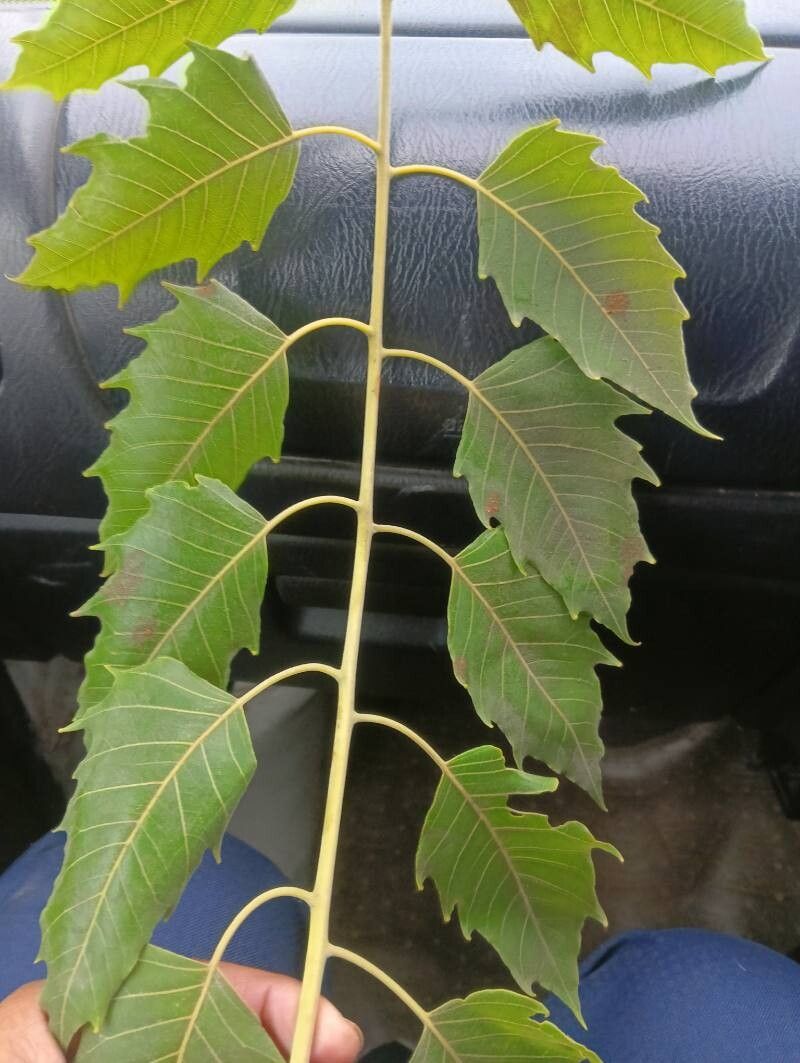
Hello fellow garden enthusiasts! If you’re anything like me, you appreciate a tree that offers both grandeur and a touch of the exotic. Today, we’re diving into the world of Ailanthus excelsa, sometimes known as the Tree of Heaven, though I prefer to think of it as the “Tree of Opportunity” here in our gardens! Its fast growth and distinctive foliage can add a real focal point. And the best part? Propagating it can be a wonderfully rewarding journey, and thankfully, it’s not one that needs to intimidate beginners. Let’s dig in!
The Best Time to Start
When it comes to giving your Ailanthus excelsa cuttings the best start, I’ve found that late spring to early summer is truly the sweet spot. This is when the plant is in its active growth phase, full of energy. You’ll be looking for young, but not brand new, growth. Think of stems that are pliable and green, but have started to firm up a bit.
Supplies You’ll Need
To set yourself up for success, gather these essentials before you begin. It’s always better to be prepared!
- Sharp Pruning Shears or a Knife: Cleanliness is key to prevent disease.
- Rooting Hormone (Optional but Recommended): This gives your cuttings a little boost.
- Potting Mix: A well-draining mix is crucial. I usually combine equal parts peat moss or coco coir with perlite or coarse sand.
- Small Pots or Seedling Trays: Clean containers with drainage holes are a must.
- Plastic Bag or Propagation Dome: To create a humid microclimate.
- Water: For misting and watering.
- Small Pebbles or Gravel (for water propagation): To support the cuttings.
Propagation Methods
Let’s explore a couple of reliable ways to get new Ailanthus excelsa plants going.
Stem Cuttings
This is my go-to method for many woody plants, and Ailanthus excelsa responds beautifully.
- Take Cuttings: Using your clean shears, select a healthy stem that’s about pencil-thick and 6-8 inches long. Make a clean cut just below a leaf node (where a leaf attaches to the stem). Remove the lower leaves, leaving just two or three at the top.
- Dip in Hormone: If you’re using rooting hormone, dip the cut end of the stem into the powder or gel. Tap off any excess.
- Plant the Cuttings: Fill your pots with your well-draining potting mix. Make a hole in the center with a pencil or your finger and insert the cutting about 2 inches deep. Gently firm the soil around it.
- Water and Cover: Water the potting mix thoroughly until it drains from the bottom. Then, cover the pot with a plastic bag or use a propagation dome to maintain high humidity.
Water Propagation
This method is wonderfully visual and satisfying to watch.
- Prepare Cuttings: Similar to stem cuttings, select healthy stems and cut them just below a leaf node, about 6-8 inches long. Remove all but the top few leaves.
- Place in Water: Fill a clean jar or vase with water. You can add a few small pebbles to the bottom to help support the cuttings. Place the cuttings in the water, ensuring the leaf nodes are submerged but the remaining leaves are above the water line.
- Change Water Regularly: Change the water every few days to keep it fresh and prevent bacterial growth.
The “Secret Sauce” (Pro Tips)
Here are a few little tricks I’ve learned over the years that can really make a difference.
- Bottom Heat is Your Friend: If you’re using the soil propagation method, placing your pots on a heat mat can significantly speed up root development. It mimics the warmth of the soil in spring and encourages those roots to form.
- Don’t Overwater the Soil: While humidity is important, soggy soil is the enemy. Roots need air too! If you can, give your pots a gentle misting rather than a heavy watering once they’re covered. You want the soil to be consistently moist, not waterlogged.
- Patience with Leaf Drop: Sometimes, cuttings will drop their leaves. Don’t toss them out immediately! As long as the stem is still firm and not mushy, there’s a good chance roots are forming. Check the stem for any signs of life if you’re unsure.
Aftercare & Troubleshooting
Once you start seeing roots forming—you’ll see them emerge from the drainage holes or you might even catch a glimpse in the water – it’s time to give them a little more attention.
For soil-propagated cuttings, gradually acclimate them to drier air by opening the plastic bag or dome for increasing periods each day. Once they have a good root system and are showing new growth, you can transplant them into individual pots filled with a good quality potting mix. Continue to water them regularly, allowing the soil to dry out slightly between waterings.
If you’re propagating in water, you can pot up your rooted cuttings once the roots are a couple of inches long. Handle them gently to avoid damaging the delicate root hairs.
The most common sign of trouble is rot. If your cuttings turn black and mushy, it’s usually a sign of too much moisture or a lack of air circulation. Unfortunately, at that point, it’s often too late to save them. Keeping things clean and ensuring good drainage will help prevent this.
A Encouraging Closing
Growing new life from a simple cutting is one of the most satisfying experiences in gardening. Be patient with the process, embrace the little victories, and don’t be discouraged if a few don’t make it. Each attempt is a learning opportunity. Happy propagating, and may your Ailanthus excelsa thrive!
Resource:
https://identify.plantnet.org/k-world-flora/species/Ailanthus%20excelsa%20Roxb./data