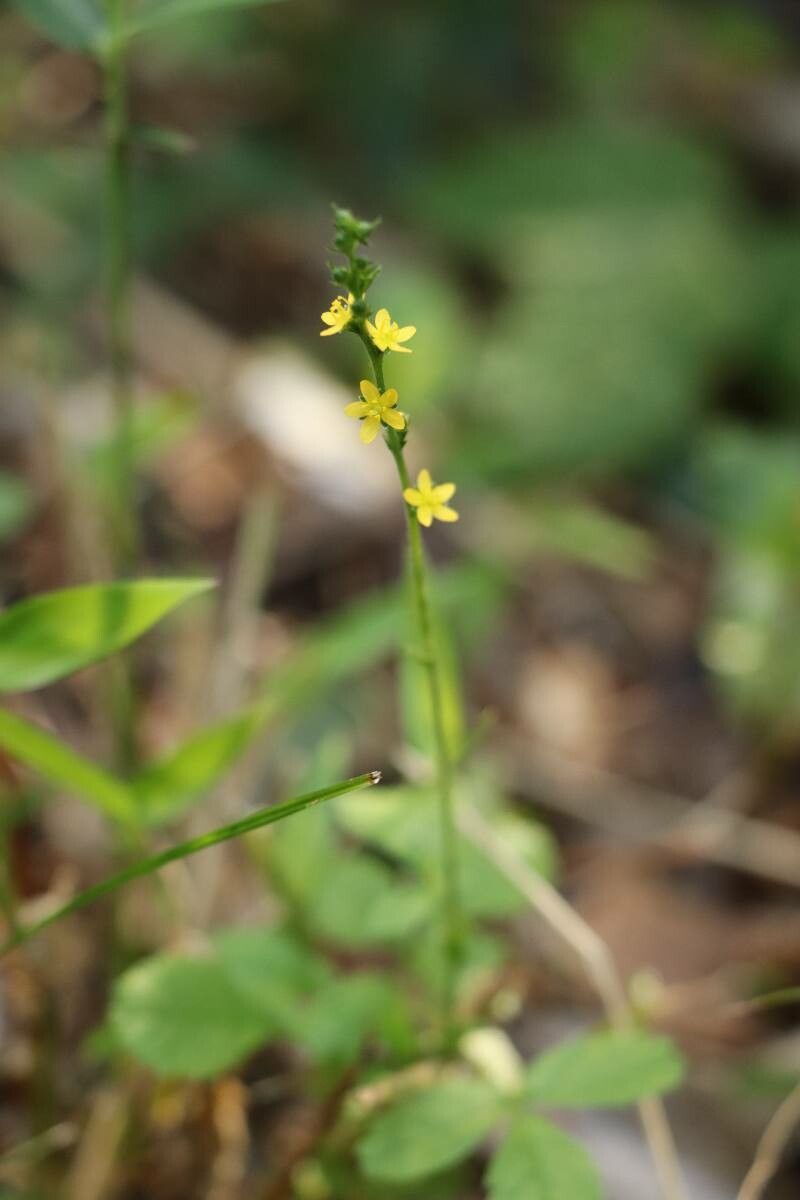
Bringing More Japanese Agrimony to Your Garden: A Guide to Propagating Agrimonia nipponica
Hello there, fellow plant lovers! I’m so glad you’re thinking about bringing more of the beautiful Agrimonia nipponica, or Japanese Agrimony, into your garden. It’s a plant that truly deserves more attention. With its charming spikes of small, yellow flowers that bloom in late summer, attracting all sorts of beneficial insects, it’s a subtle star in any perennial border. Plus, the foliage has a lovely, almost fern-like quality.
Now, about propagating it. If you’re new to the gardening scene, you might be wondering if this is a good starting point. I’d say Agrimonia nipponica is moderately easy to propagate. It’s not as foolproof as, say, a pothos, but with a little care and attention, you’ll be rewarded with plenty of new plants. The satisfaction of seeing a tiny cutting develop into a thriving specimen is just unbeatable, isn’t it?
The Best Time to Start
For Agrimonia nipponica, I find the sweet spot for propagation is generally late spring to early summer. This is when the plant is actively growing, but before it gets bogged down in flowering. You’re looking for young, healthy shoots that haven’t flowered yet. They’ll have plenty of energy to put into root development.
Supplies You’ll Need
Gathering your tools beforehand makes the whole process smoother. Here’s what I usually have on hand:
- Sharp pruning shears or a clean knife: For taking clean cuts.
- A well-draining potting mix: I like a blend of peat moss, perlite, and a bit of compost. You can also buy specific seed-starting or cutting mixes.
- Small pots or trays: With drainage holes, of course!
- Rooting hormone (optional but recommended): Especially for cuttings. It gives them a helpful boost.
- A watering can with a fine rose or a spray bottle: For gentle watering.
- Clear plastic bags or propagation domes: To create a humid environment.
- Trays for bottom heat (optional): A heated mat can speed things up.
Propagation Methods
Agrimonia nipponica is most reliably propagated through division and stem cuttings. Let’s dive into those.
Division: The Simplest Approach
This is often the easiest way to go, especially if you already have a mature plant.
- Dig Up the Plant: Gently dig up your Agrimonia nipponica clump in early spring (before new growth really takes off) or early fall.
- Examine the Root Ball: Gently shake off excess soil. You’ll see where the main plant divides into several smaller sections, each with its own roots and at least one stem.
- Carefully Separate: Using your hands, a trowel, or even two garden forks pushed back-to-back, gently pull the root ball apart into smaller divisions. Try not to damage the roots too much.
- Replant: Immediately replant the divisions in their new locations or in pots with fresh soil. Water them in well.
Stem Cuttings: Growing from Shoots
This method takes a bit more patience but can yield a higher number of plants.
- Take Cuttings: In late spring or early summer, select healthy, non-flowering shoots. Using your clean shears, cut pieces that are 4-6 inches long. Make your cut just below a leaf node (where a leaf attaches to the stem).
- Prepare the Cuttings: Gently remove the lower leaves from each cutting, leaving just a couple of leaves at the very top. If your cuttings are very long, you can pinch off the tip to encourage bushier growth later.
- Apply Rooting Hormone: Dip the cut end of each stem into your rooting hormone powder. Tap off any excess.
- Pot the Cuttings: Fill your pots with your prepared potting mix. Make a small hole in the center of the soil with a pencil or dowel. Carefully insert the cutting into the hole, ensuring the buried part has been coated in hormone. Gently firm the soil around the stem.
- Create a Humid Environment: Water the cuttings gently. Then, cover the pots with a clear plastic bag or propagation dome. This traps moisture, which is crucial for cuttings to root. You can secure the bag with a rubber band.
The “Secret Sauce” (Pro Tips)
Here are a couple of things I’ve learned over the years that make a big difference:
- Don’t Drown Your Cuttings: While humidity is key, you don’t want standing water on the leaves or in the pot. This is a fast track to rot. When you initially water, ensure it drains freely. If you notice condensation building up excessively inside the bag, open it for a few hours to air it out.
- Embrace Bottom Heat: For stem cuttings, placing your pots on a heated propagation mat can significantly speed up root development. It mimics the warmth of spring soil and encourages those roots to form more quickly. You don’t need it to be blazing hot, just consistently warm.
Aftercare & Troubleshooting
Once your cuttings have formed roots (you can gently tug on them – if there’s resistance, they’ve likely rooted), or your divided plants are settled, here’s what to do.
- Gradual Acclimation: If you’ve covered your cuttings, gradually introduce them to normal air by opening the bag or dome for longer periods over a week or so.
- Regular Watering: Keep the soil consistently moist but not soggy. Allow the top inch of soil to dry out slightly between waterings.
- Light: Place your new plants in a bright spot with indirect sunlight. Avoid harsh, direct sun, which can scorch young plants.
- Troubleshooting: The most common issue you’ll face is rot. If you see stems turning mushy and black, it’s usually due to overwatering or poor drainage. If your cuttings shrivel and dry up, they might not have enough humidity or their roots didn’t establish. Don’t be discouraged if a few don’t make it – it happens to all of us! Just learn from it and try again.
A Little Patience Goes a Long Way
Propagating plants is a journey, not a race. There’s such a deep satisfaction in nurturing a tiny shoot or a divided piece into a full-fledged plant that will bring joy to your garden for years to come. So, grab your tools, get your hands dirty, and enjoy the fascinating process of bringing more Agrimonia nipponica to life! Happy gardening!
Resource:
https://identify.plantnet.org/k-world-flora/species/Agrimonia%20nipponica%20Koidz./data