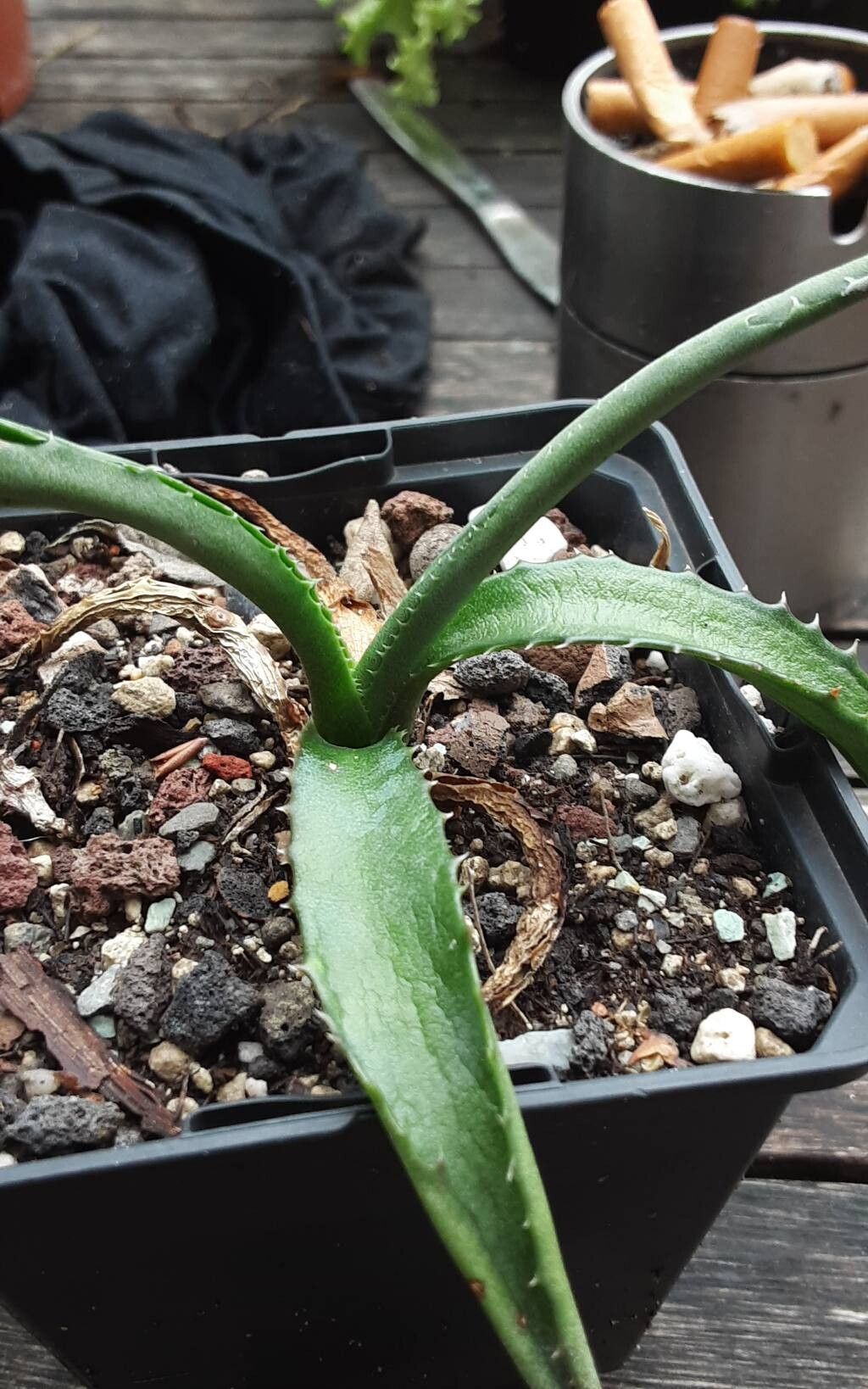
Hello fellow plant lovers! It’s so good to have you here. Today, we’re diving into the wonderful world of Agave decipiens. Isn’t she a beauty? With those gracefully arching, slender leaves, she brings such a touch of understated elegance to any space. What I love most about propagating agaves is the sheer satisfaction of creating new life from something you already cherish. You get to grow your collection, share with friends, or simply marvel at nature’s resilience. For a beginner, Agave decipiens is a wonderfully rewarding plant to start propagating. She’s forgiving and generally quite cooperative, which is always a plus!
The Best Time to Start
Timing is everything in the garden, isn’t it? For Agave decipiens, the sweet spot for propagation is during its active growing season, which typically falls in late spring through early summer. This is when the plant has energy to spare for producing new roots and shoots. You’ll have the best luck if you wait until the plant is mature enough to have produced offsets, often called “pups,” or if you’re taking cuttings from a healthy, established specimen.
Supplies You’ll Need
Gathering your tools beforehand makes the process so much smoother. Here’s what I usually have on hand:
- Sharp, clean pruning shears or a sturdy knife: Essential for making clean cuts.
- Well-draining potting mix: A cactus and succulent mix is perfect. You can also create your own by mixing potting soil with perlite or pumice in a 1:1 ratio.
- Rooting hormone (optional, but helpful): This can give your cuttings a little boost in developing roots.
- Small pots or trays: Terracotta pots are great because they allow the soil to breathe.
- Gloves: Agave leaves can be sharp!
- Watering can or spray bottle: For gentle watering.
- Small trowel or spoon: For handling soil.
Propagation Methods
Agave decipiens can be propagated in a couple of primary ways, and both are quite effective.
Method 1: Division of Offsets (Pups)
This is the easiest and most common method for Agave decipiens.
- Identify the pups: Look for smaller plants growing around the base of your mature agave. They’ll usually have their own root system starting to form.
- Gently expose the pups: You might need to clear away some soil around the base of the mother plant to get a good look.
- Make the cut: Using your sharp pruning shears or knife, carefully cut the pup away from the parent plant. Try to get as much of the pup’s base intact as possible, ideally with some existing roots.
- Allow to callous: This is crucial! Let the cut end of the pup dry out in a cool, dry place for a few days (3-7 days is usually enough). This ‘callous’ helps prevent rot when you plant it.
- Plant the pup: Fill a small pot with your well-draining mix. Make a small hole in the center and firmly plant the calloused end of the pup into the soil.
- Water sparingly: Wait a week or so before giving it its first light watering. You want the soil to be barely moist.
Method 2: Stem Cuttings (Less Common but Possible)
This method is more like propagating succulents from leaf cuttings, but requires taking a piece of the stem.
- Select a healthy stem: If your agave has developed a noticeable stem (sometimes called a “flower stalk” that didn’t bloom or a re-sprouting stem), you can take cuttings from it.
- Make the cut: Using your clean, sharp knife, cut sections of the stem about 3-4 inches long. Ensure each cutting has at least one node (where leaves emerge).
- Remove lower leaves: Gently pull off any lower leaves on the cutting so that no foliage is below the soil line when planted.
- Allow to callous thoroughly: This step is even more critical for stem cuttings. Let the cut ends dry and form a hard callus for at least a week, sometimes up to two weeks. Patience here prevents disaster!
- Plant the cuttings: Insert the calloused end of the stem cutting about an inch deep into your well-draining potting mix.
- Rooting hormone (optional): You can dip the calloused end in rooting hormone before planting.
- Water very, very lightly: Again, wait before the first watering, and then only water when the soil is completely dry.
The “Secret Sauce” (Pro Tips)
These little tricks I’ve picked up over the years really make a difference:
- Don’t overwater, ever! This is the cardinal sin with agaves. They are desert plants by nature and rot is their number one enemy. Wait until the soil is thoroughly dry before even thinking about watering.
- Give them airflow. When those cuttings are callousing, place them in a spot with good air circulation. This helps them dry out evenly and prevents mildew. A fan on low in the room can be your best friend.
- Bottom heat can be a game-changer. If you’re struggling to get roots, placing your pots on a seedling heat mat can really encourage root development. Just a gentle warmth can speed things up measurably.
Aftercare & Troubleshooting
Once your pup or cutting has developed a good root system (you can gently tug on it, and it will feel firm, or you might even see roots poking out of the drainage holes), it’s time to treat it like a small agave. Keep it in bright, indirect light and continue to water sparingly.
The most common issue you’ll encounter is rot. If you see your pup or cutting turning mushy, black, or developing a foul smell, it’s likely rot. Sadly, if rot has set in, it’s often too late to save. This highlights the importance of excellent drainage and minimal watering. If you catch it super early, you can try cutting away the rotted parts with a sterile knife and letting the healthy portion callous again, but prevention is key!
A Encouraging Closing
Propagating plants is a journey, and sometimes there are a few bumps in the road. Don’t get discouraged if your first attempt isn’t a runaway success. Every gardener has lost a plant or two along the way! The most important thing is to enjoy the process, learn from each step, and celebrate the new life you’re nurturing. Be patient, keep your soil dry, and soon you’ll have a whole new clan of beautiful Agave decipiens! Happy gardening!
Resource:
https://identify.plantnet.org/k-world-flora/species/Agave%20decipiens%20Baker/data