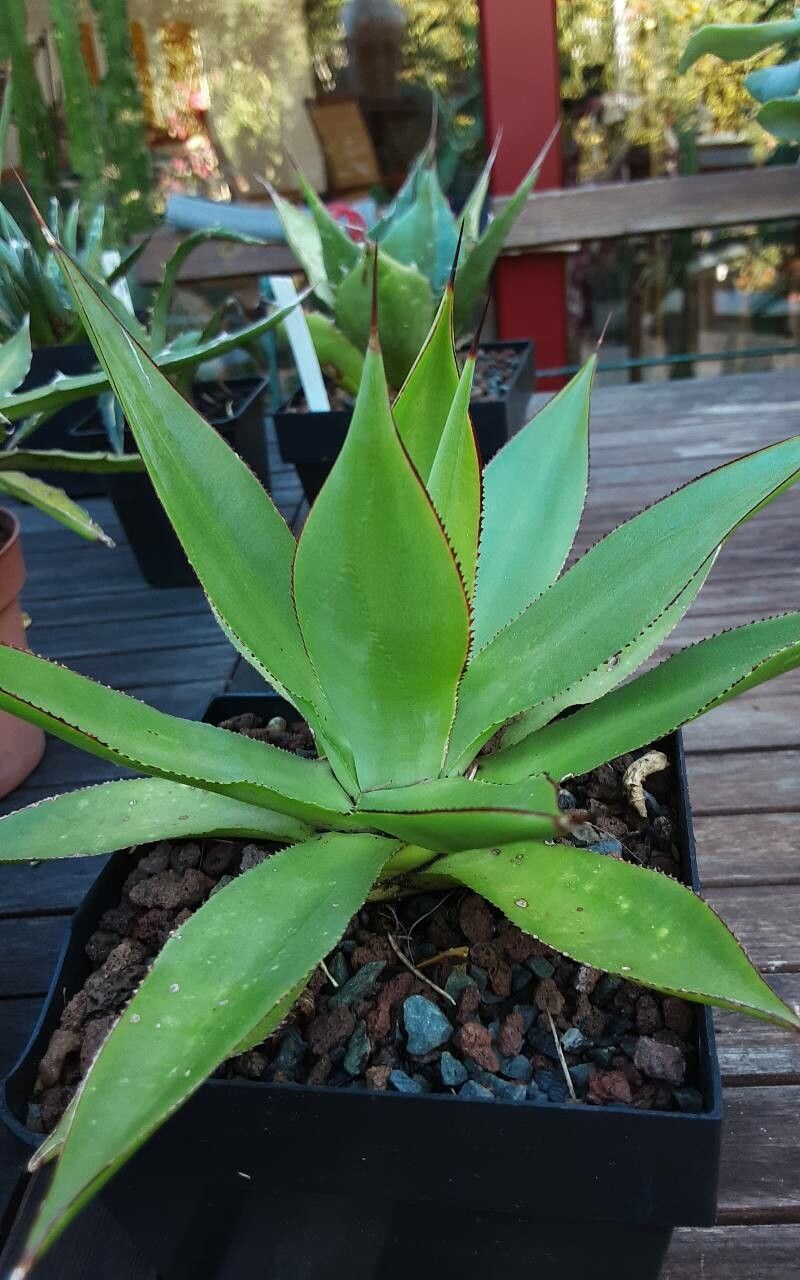
Oh, Agave chiapensis! If you’re looking for a succulent that’s a bit different, that’s the one. Its architectural form, with those elegantly arching leaves, makes it a real statement piece in any garden or pot. And the best part? Growing more of them from your existing plant is incredibly satisfying. It’s a fantastic way to fill out a succulent bed or share a bit of beauty with fellow plant lovers. For beginners, I’d say Agave chiapensis is quite forgiving, which is wonderful news!
The Best Time to Start
For the highest success rate with propagating Agave chiapensis, you’ll want to jump in during its active growing season. This typically falls in the late spring through early fall. You’ll see the most vigor in your mother plant then, and any new pups or cuttings will have the best chance to establish themselves before cooler weather arrives. Trying to propagate in the dead of winter is just too tough on these desert dwellers.
Supplies You’ll Need
Here’s what you’ll want to have on hand before you get started:
- Sharp Pruning Shears or a Clean Knife: For making clean cuts. Sterilize them with rubbing alcohol to prevent disease.
- Well-Draining Potting Mix: A succulent or cactus mix is ideal. You can also make your own by combining equal parts potting soil, perlite, and coarse sand.
- Pots or Containers: Small pots or propagation trays are perfect. Make sure they have drainage holes!
- Rooting Hormone (Optional): This can give your cuttings a helpful boost, but it’s not strictly necessary for Agave chiapensis.
- Gravel or Small Stones: For drainage at the bottom of pots or to cover the surface.
- Watering Can with a Fine Rose: For gentle watering.
- Gloves: Agaves have sharp tips, and it’s always a good idea to protect your hands.
Propagation Methods
With Agave chiapensis, you’re most likely to be working with its pups, also known as offsets. These are the little baby plants that emerge from the base of the mother plant. It’s a straightforward process!
Here’s how I usually do it:
Division of Offsets (Pups)
This is the most common and successful method for Agave chiapensis.
- Examine Your Mother Plant: Gently remove some of the soil around the base of your Agave chiapensis to get a good look at the pups. You’re looking for offsets that are at least a few inches tall and have started to develop their own roots.
- Carefully Separate: Using your sterilized sharp knife or pruning shears, carefully cut the pup away from the mother plant, making sure to get as much of its base and any attached roots as possible. If a pup is particularly stubborn, you might need to wiggle it gently.
- Allow to Callus: This is a crucial step! Place the severed pup in a dry, well-ventilated spot out of direct sunlight for a few days to a week. You want the cut end to dry out and form a callus. This prevents rot when you plant it.
- Potting Up: Once the cut end has callused, you can pot your pup. Fill your small pot with your well-draining succulent mix. Create a small hole in the center and gently place the pup in, firmly but not tightly pressing the soil around its base. You can add a layer of gravel on top for extra support and to help keep moisture away from the leaves.
- Initial Watering (Wait!): Resist the urge to water immediately. Wait for at least a week after planting before giving it its first gentle watering. This gives any tiny, damaged root hairs a chance to heal.
The “Secret Sauce” (Pro Tips)
Over the years, I’ve learned a few little tricks that seem to make all the difference.
- Don’t Overcrowd: When you’re potting up several pups, give them enough space in their pots. They need room to breathe and grow without competing too much for resources right from the start. A snug fit is okay, but don’t shove them in elbow-to-elbow.
- The “Dry Spell” Strategy: After that first watering, my rule of thumb is to let the soil dry out completely between waterings. Stick your finger a couple of inches into the soil. If it feels dry, it’s time. If there’s any hint of moisture, wait a few more days. This is how you train those roots to go deep and avoid the dreaded root rot.
- Consider Bottom Heat (Optional, but helpful): If you’re propagating in a cooler spot or during a transitional season, a heated propagation mat can provide gentle bottom warmth. This can really encourage root development and speed things up. Just a little warmth can make a big difference to a newly planted pup.
Aftercare & Troubleshooting
Once your Agave chiapensis pup has successfully taken root – you’ll start to see new growth or feel a bit of resistance when you gently tug on it – it’s time for a little more attention.
Keep it in a bright spot with plenty of indirect sunlight. As it grows, you can gradually introduce it to more direct sun, but always do this slowly to avoid sunburn. Continue with that thorough but infrequent watering schedule, letting the soil dry completely between drenches.
Now, let’s talk about the villains of the succulent world: rot and pests.
- Rot is the most common problem, often caused by overwatering or poor drainage. You’ll see the leaves start to turn mushy, yellow, or brown, usually from the base upwards. If you spot this, unpot the plant immediately, trim away any rotted sections with your sterilized knife, and let the entire plant dry out completely for a week or two before repotting in fresh, dry soil. You might have to be ruthless to save it!
- Mealybugs can sometimes show up. They look like little white cottony masses. You can often spot them in the leaf crevices. A cotton swab dipped in rubbing alcohol is usually effective for spot treatment.
A Little Encouragement
Growing new plants is always an adventure, and there’s a unique joy in nurturing a tiny offset into a thriving specimen. Be patient with your new Agave chiapensis. Nature has its own timetable, and sometimes it takes a little while for them to feel settled. Enjoy the process, celebrate those first signs of growth, and soon you’ll have yourself a whole collection! Happy gardening!
Resource:
https://identify.plantnet.org/k-world-flora/species/Agave%20chiapensis%20Jacobi/data