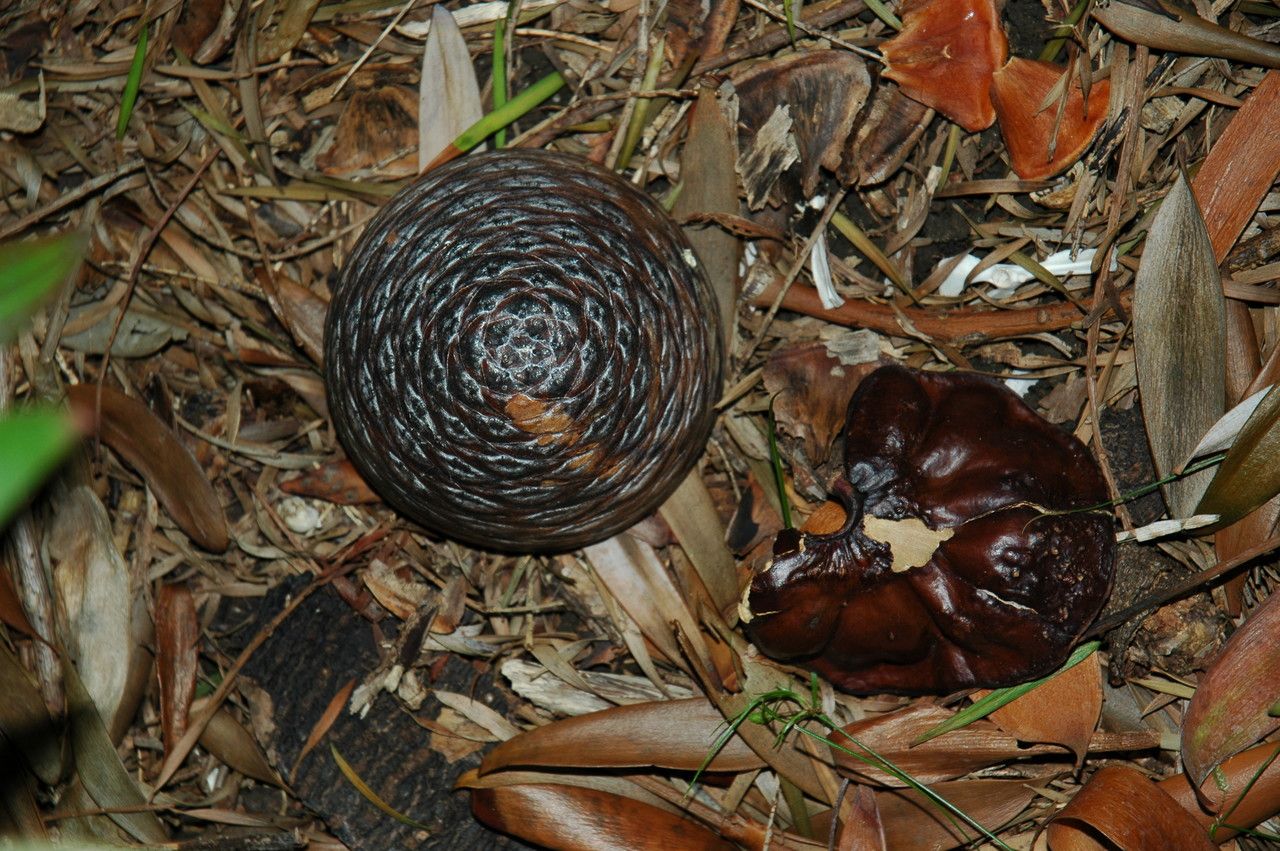
Oh, Agathis macrophylla! If you’ve ever seen one of these magnificent trees, you know their allure. With their striking, architectural form and those wonderfully large, glossy leaves, they bring a touch of the exotic to any garden or indoor space. Growing your own from scratch? That’s a truly special kind of satisfaction. I’ve been nurturing plants for two decades now, and propagating Agathis has been a delightful journey. It’s not the easiest plant for absolute beginners, but with a little care and attention, you’ll find it quite doable. Think of it as a rewarding challenge that pays off handsomely.
When Should You Get Your Hands Dirty?
The sweet spot for propagating Agathis macrophylla is typically in the late spring to early summer. This is when the plant is in its most vigorous growth phase, meaning it’s bursting with energy and more likely to produce those crucial roots. Look for new growth that’s firm but not yet woody. This “semi-hardwood” stage is often the best bet for successful cuttings.
Gathering Your Toolkit
Before we dive in, let’s make sure you have everything you need. It’s always better to be prepared!
- Sharp Pruning Shears or a Knife: Clean, sharp tools are non-negotiable for making clean cuts. Dull tools can crush stems and invite disease.
- Rooting Hormone: While not strictly essential, a good rooting hormone can significantly boost your success rate, especially for trickier propagations. Look for one with IBA (indole-butyric acid).
- Well-Draining Potting Mix: A blend of peat moss, perlite, and a bit of coarse sand works wonders. You want a mix that holds moisture but doesn’t become waterlogged. A good sterile seedling mix is also a great starting point.
- Small Pots or Seed Trays: Clean pots are key to preventing fungal issues.
- Plastic Bags or a Propagator: This creates a mini-greenhouse effect, keeping humidity high around your cuttings.
- Water (Clean!): For cleaning tools and, sometimes, for the propagation itself.
Let’s Get Propagating: Stem Cuttings
This is my go-to method for Agathis. It’s reliable and you can get several new plants from a single parent.
- Take Your Cuttings: Gently select a healthy stem on your mature Agathis. Using your sharp shears or knife, take a cutting that’s about 4-6 inches long. Make sure your cut is just below a leaf node (where a leaf attaches to the stem).
- Prepare the Cuttings: Gently strip off the lower leaves from the cutting, leaving just a few at the top. This helps prevent them from rotting in the soil.
- Dip in Rooting Hormone: If you’re using rooting hormone, dip the cut end of the stem into the powder or gel. Tap off any excess.
- Plant Your Cuttings: Fill your clean pots or trays with your prepared potting mix. Make a hole in the center of the mix with a pencil or your finger. Gently insert the cutting into the hole, ensuring the nodes you stripped leaves from are below the soil surface.
- Firm the Soil: Lightly firm the soil around the cutting to ensure good contact.
- Water Gently: Water the soil thoroughly but gently so you don’t dislodge the cuttings.
- Create the Humidity Dome: Place the pots into a clear plastic bag, sealing it loosely, or cover them with a propagator lid. This is crucial for keeping the cuttings from drying out. Place them in a warm spot.
The “Secret Sauce” for Success
Over the years, I’ve learned a few little tricks that can really push your propagation success from good to great.
- Don’t Let Those Leaves Touch the Water (if water propagating): Though stem cuttings are my preference, if you decide to try rooting in water, and it can work for some Agathis varieties, never let the lower leaves sit submerged. They’ll rot incredibly quickly and kill the cutting. Just the stem should be in the water.
- Embrace Bottom Heat: This is a game-changer. A heating mat designed for plant propagation can make a world of difference. It provides consistent, gentle warmth to the roots, encouraging them to develop much faster and stronger. You’ll often find your cuttings rooting in half the time with this simple addition.
- Patience with Sterilization: This might sound mundane, but rinsing your pots and tools thoroughly with hot, soapy water and a dilute bleach solution is a superpower. It wipes out any lingering fungal spores or bacteria that could doom your precious new plants before they even get a chance.
Aftercare and What to Watch For
Once you start seeing signs of new growth, or when you gently tug on a cutting and feel resistance (indicating roots have formed), it’s time for a gentle transition.
- Acclimation: Gradually remove the plastic bag or propagator lid over a week or two. This allows the new plant to adjust to the ambient humidity.
- Light: Place your new Agathis in a bright spot with indirect light. Avoid direct, harsh sunlight, especially when they are young and tender.
- Watering: Keep the soil consistently moist but not soggy. Wait until the top inch of soil feels dry to the touch before watering again.
- Troubleshooting: The most common issue you’ll face is rot. If a cutting turns black and mushy, it’s likely rotted. This is usually due to overwatering, poor drainage, or lack of airflow. If you see signs of rot, remove the affected cutting immediately to prevent it from spreading. If the substrate is too wet, carefully drain off excess water or consider repotting in drier mix.
Keep Nurturing
There you have it! Propagating Agathis macrophylla is a truly rewarding endeavor. Don’t be discouraged if your first attempt isn’t perfect. Gardening is a journey of learning and observing. Be patient with your cuttings, give them the right conditions, and most importantly, enjoy the process of growing something beautiful from a simple stem. Happy gardening!
Resource:
https://identify.plantnet.org/k-world-flora/species/Agathis%20macrophylla%20(Lindl.)%20Mast./data