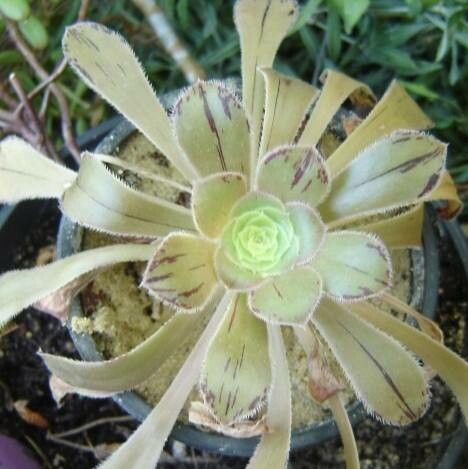
Hey there, fellow plant lovers! It’s so good to connect with you again. You know, there’s something truly magical about taking a sprig of a plant and watching it blossom into a whole new life. And when it comes to succulents, Aeonium rubrolineatum is a real star. Its striking rosette of deep burgundy and green leaves, often edged with fiery red or pink, adds such a dramatic flair to any collection. Growing a new Aeonium rubrolineatum from a piece of an existing one feels like a little gardening miracle, and guess what? It’s a rewarding journey that’s quite accessible, even if you’re just dipping your toes into the succulent world.
The Best Time to Start
For my Aeonium rubrolineatum, the happiest time to think about propagation is definitely during its active growing season. That’s typically spring and early summer. The days are getting longer, the sun is warmer, and the plant is just bursting with energy. This means those cuttings or divisions are more likely to take root quickly and enthusiastically. Trying it when the plant is dormant in the cooler months is just setting yourself up for a slower, more uncertain start.
Supplies You’ll Need
Gathering your supplies beforehand makes the whole process smoother. Here’s what I usually have on hand:
- Sharp Pruning Shears or a Clean Knife: To make clean cuts.
- Well-Draining Succulent/Cactus Potting Mix: This is non-negotiable for succulents.
- Small Pots or Trays: For your new baby plants. Ensure they have drainage holes!
- Rooting Hormone (Optional but Recommended): This gives your cuttings a little boost. Look for one specifically for succulents, or a general rooting powder.
- Watering Can or Spray Bottle: For gentle watering.
- A Sunny, Bright Spot: But be mindful of intense direct sun for very young cuttings.
Propagation Methods
Aeonium rubrolineatum is pretty generous, and you can propagate it in a couple of wonderful ways.
Stem Cuttings: My Go-To
This is my favorite and most successful method for these beauties.
- Select a Healthy Stem: Look for a mature stem that looks robust. You want one with a few leaves, but not so long that it’s spindly.
- Make the Cut: Using your sharp shears or knife, make a clean cut about an inch or two below the rosette. It’s best to cut just above a leaf node.
- Remove Lower Leaves: Gently pull off the bottom couple of leaves. This exposes the stem where roots will emerge.
- Let it Callus: This is crucial! Place the cutting in a dry, shady spot for 2-7 days. You want the cut end to dry out and form a callus. This prevents rot when you pot it up. It’ll look like a little dry scab.
- Potting Up: Once callused, you can dip the cut end in rooting hormone (if you’re using it). Then, simply stick the callused end into your well-draining succulent mix. Don’t bury it too deep, just enough so it stands upright.
- Water Sparingly: For the first week or two, I barely water. I might give it a tiny sip only when the soil feels completely dry. The goal is for the plant to seek out moisture by growing roots, not to sit in soggy soil and rot.
Water Propagation: A Visual Treat
While I prefer the soil method for Aeoniums because of their tendency to rot, some folks have success with water, and it’s fun to watch the roots develop!
- Take a Cutting and Callus: Follow steps 1-4 above.
- Prepare Your Container: Get a small jar or glass.
- Add Water: Fill the container with clean water.
- Position the Cutting: You can either let the stem hang just above the water, OR submerge the callused end. The key here is not to let the leaves touch the water. If they do, they’ll likely rot. You might need to prop it up with a skewer or string.
- Change Water Regularly: Stagnant water is a rot invitation. Change the water every few days to keep it fresh.
- Wait for Roots: You should see tiny white roots appearing in a few weeks. Once the roots are about an inch long, you can carefully transfer the cutting to a pot with your succulent mix, following the potting up and watering advice from the stem cutting method.
The “Secret Sauce” (Pro Tips)
Here are a couple of things I’ve learned over the years that really make a difference:
- Don’t Rushwatering: Seriously, I know it’s tempting to water the moment you pot up a cutting, but resist! Let that callus do its job and let the plant initiate root growth out of curiosity, not necessity. Overwatering is the number one killer of new succulent cuttings.
- Bottom Heat Boost: If you have a seedling heat mat, a little gentle bottom heat (around 70-75°F / 21-24°C) can really speed up root development. It mimics the warmth of spring soil and gives those nascent roots a happy environment to grow. Just place the pot on the mat; don’t put the whole cutting directly on it.
Aftercare & Troubleshooting
Once your cutting has developed a healthy root system – you’ll know because it will feel more stable when gently tugged, and you might even see new leaf growth – it’s time to treat it a bit more like a mature plant.
- Gradual Acclimation: If your cutting was in water or a shaded spot, slowly introduce it to brighter light. Don’t blast it with full sun immediately, or you’ll scorch those delicate new leaves.
- Consistent Watering: Now you can water more regularly, but always allow the soil to dry out completely between waterings. Stick your finger an inch or two into the soil to check.
- Signs of Trouble: The most common issue is rot, which looks like mushy, dark stems or leaves. If you see this, you’ve likely been overwatering. Remove the affected parts immediately and let the healthy parts callus and try again, being much more careful with water. If it’s just wilting and not mushy, it might need more water, but check that soil first!
A Warm Wrap-Up
Propagating Aeonium rubrolineatum is a journey of patience and observation. Don’t be discouraged if your first attempt doesn’t go perfectly. Each cutting teaches you something new. Watch your little plants, learn their subtle cues, and celebrate each new root and leaf. You’re nurturing life, and there’s nothing quite as satisfying as that. Happy gardening!
Resource:
https://identify.plantnet.org/k-world-flora/species/Aeonium%20rubrolineatum%20Svent./data