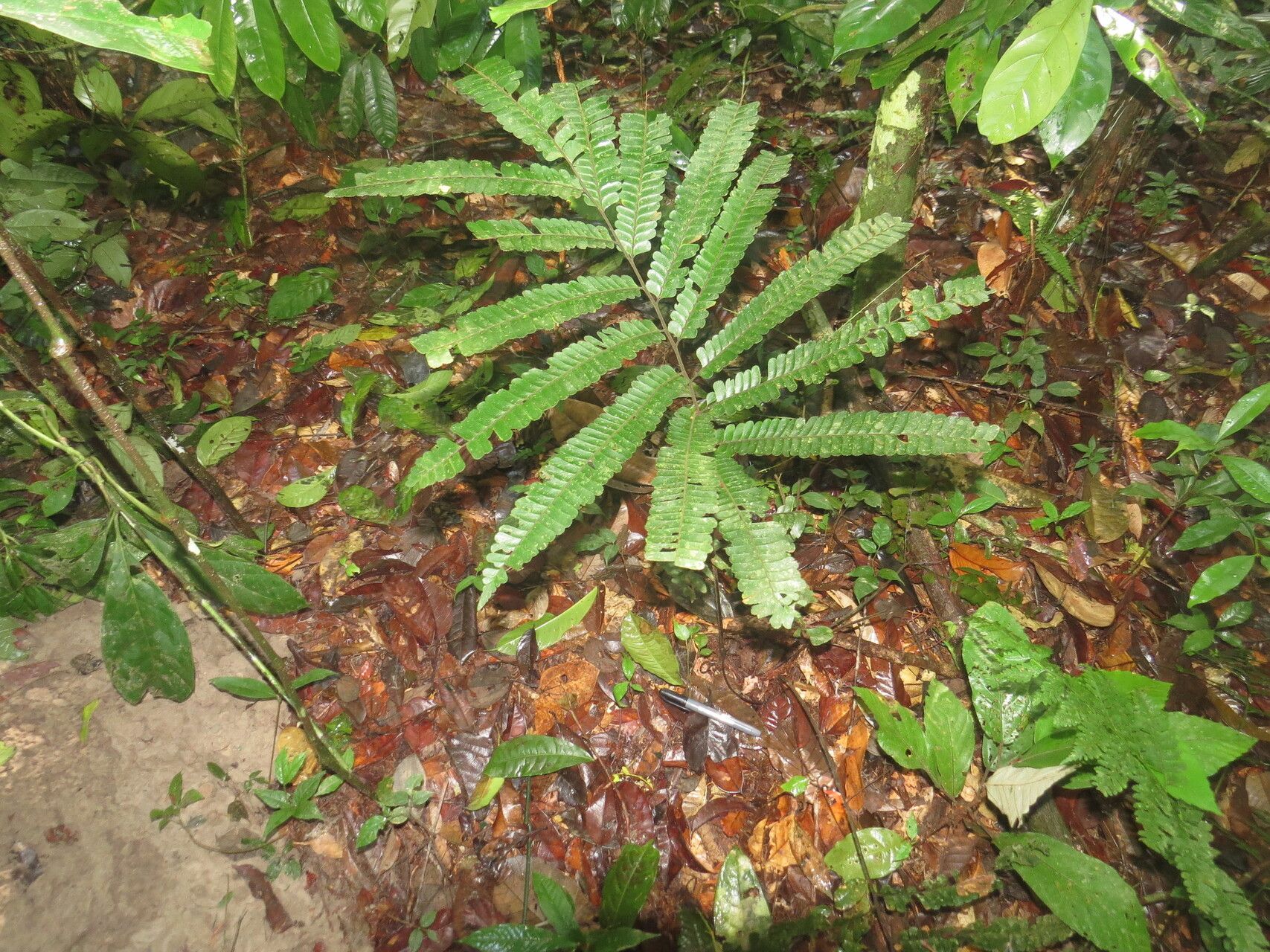
Hello fellow plant enthusiasts! Today, we’re diving into the world of Adiantum tomentosum, also known as the Woolly Maidenhair Fern. If you’re like me, the delicate, almost ethereal beauty of this fern has likely captured your heart. Its soft, fuzzy undersides and graceful fronds bring a touch of woodland magic to any shady corner. And the best part? You can easily bring more of that magic into your home by propagating it!
While some ferns can be a bit finicky, propagating the Woolly Maidenhair isn’t overly difficult. It’s a wonderfully rewarding process that allows you to share these beauties with friends or simply expand your own collection. Don’t be intimidated; with a little care and attention, you’ll be successful.
The Best Time to Start
For the highest success rate, I always recommend propagating early in the growing season. Think spring or early summer. This is when the plant has plenty of energy and is actively putting out new growth. Young, healthy shoots are your best bet for quick and vigorous rooting.
Supplies You’ll Need
Here’s what I like to have on hand before I begin:
- Sterilized pruning shears or a sharp knife: Clean tools are crucial to prevent disease.
- Well-draining potting mix: I often use a blend of peat moss, perlite, and fine bark. A specific fern mix also works wonderfully.
- Small pots or trays: Enough to accommodate your cuttings.
- Clear plastic bags or a propagation dome: To maintain high humidity.
- Watering can with a fine spray: To gently water your new propagations.
- Rooting hormone (optional but helpful): A gentle hormone can speed up the process.
- A mister bottle: For keeping leaves hydrated.
Propagation Methods
While there are a few ways to go about it, division is generally the most straightforward for Adiantum tomentosum.
Division
This is my go-to method for established ferns. It’s like giving your plant a little haircut and a chance to start fresh!
- Gently remove the fern from its pot. If it’s a bit root-bound, that’s okay, just be extra careful not to damage the delicate fronds.
- Examine the root ball. You’ll be looking for natural divisions – areas where the plant seems to be growing in separate clumps.
- Using your sterilized hands or a gentle tug, carefully separate these clumps. If the roots are tightly intertwined, you might need to use your knife or shears to make a clean cut through the root ball. Be sure each section has some healthy roots and at least a few fronds.
- Pot up each division. Plant them in their own pots filled with your well-draining potting mix. Make sure the top of the root ball is level with the soil surface.
- Water thoroughly. Gently water the newly potted divisions until water runs out of the drainage holes.
- Create a humid environment. Cover each pot with a clear plastic bag, propped up with stakes so it doesn’t touch the foliage, or place them in a propagation dome. This is vital for ferns!
The “Secret Sauce” (Pro Tips)
Here are a couple of things I’ve learned over the years that make a big difference:
- Don’t overwater the divisions initially. While ferns love moisture, soggy soil can lead to rot very quickly. Water them well after potting, then only water when the top inch of soil feels dry to the touch.
- Consider bottom heat. If you have a heat mat designed for propagation, placing your potted divisions on it can significantly speed up root development. Ferns tend to appreciate that gentle warmth from below.
- Avoid direct sunlight like the plague! Even very young ferns need protection. Bright, indirect light is your goal. Too much sun will scorch those delicate new fronds before they even have a chance to establish.
Aftercare & Troubleshooting
Once your divisions are potted and settled, it’s time for tender loving care.
Keep that humidity high and the light indirect. Misting the fronds daily can be beneficial, especially in drier indoor environments. You can gradually remove the plastic bags or open the dome vents over a couple of weeks as the new plant becomes more established.
Signs of trouble usually point to either too much water or not enough humidity. Yellowing fronds can indicate overwatering or poor drainage. Crispy, brown edges on new growth often mean it’s too dry, either in the soil or the air. If you see signs of rot (mushy stems or blackening near the soil line), it’s likely due to excessive moisture. In this case, try to let the soil dry out a bit more and ensure good airflow. Remove any rotted parts immediately.
A Encouraging Closing
Propagating your Woolly Maidenhair Fern is a journey, not a race. Be patient with your new little plants. Some may take a little longer than others to show new growth, but that’s perfectly normal. Celebrate each new frond! Enjoy the satisfaction of growing your own beautiful ferns, and don’t hesitate to share the joy with others. Happy growing!
Resource:
https://identify.plantnet.org/k-world-flora/species/Adiantum%20tomentosum%20Klotzsch/data