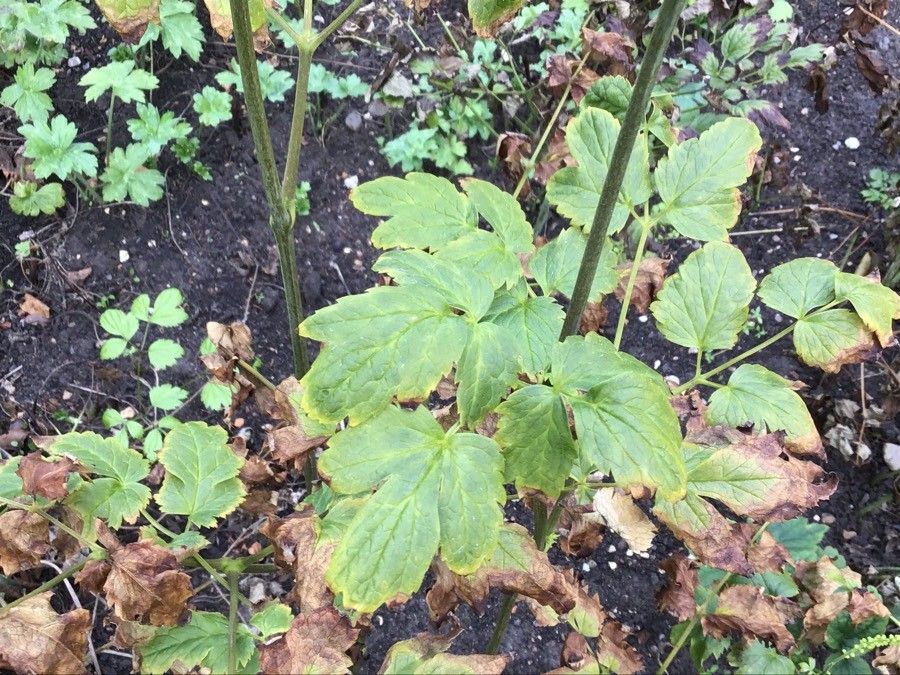
Hello there, fellow garden enthusiasts! If you, like me, have fallen under the spell of the glorious Actaea cimicifuga, then you know its allure. Those elegant, spires of white flowers, often appearing late in the season, are simply magical. They bring a much-needed touch of ethereal beauty as summer wanes. And the best part? You can invite this magic into more corners of your garden by propagating it!
Now, I won’t sugarcoat it – propagating Actaea can be a bit more of a nuanced task than, say, a common marigold. It’s not a beginner’s instant win, but with a little patience and understanding, it’s absolutely achievable and incredibly rewarding.
The Best Time to Start
For Actaea cimicifuga, division in early spring is hands down your best bet. Think of it as giving the plant a gentle wake-up call as it stirs from its winter slumber. Before those new shoots get too enthusiastic and unfurl their leaves, is the prime time to divide the established clumps. This gives the young divisions the best chance to establish themselves before the heat of summer or the chill of autumn sets in.
Supplies You’ll Need
Here’s what I like to have on hand when I’m ready to get propagating:
- Sharp, sterilized pruning shears or a clean knife: You want clean cuts to minimize disease.
- A good quality well-draining potting mix: I often blend my own with equal parts compost, perlite, and coarse sand.
- Trowels or a small spade for careful excavation.
- Watering can with a fine rose attachment for gentle watering.
- Plant labels and a permanent marker – trust me, you’ll thank yourself later!
- Optional, but handy: Rooting hormone powder (though division often doesn’t require it, it can give a little boost).
Propagation Methods: Division is Key!
Actaea cimicifuga is most successfully propagated through division. Here’s how I do it:
- Gently excavate: Start by carefully digging around the base of your mature Actaea plant. I like to dig a good foot or so away from the main stem to avoid damaging the root ball. Once it’s loose, gently lift the entire plant out of the ground.
- Assess the roots: Turn the plant over and examine the root system. You’re looking for natural breaks where the plant has formed distinct sections. You can often see where new shoots are emerging from different parts of the root mass.
- Divide with care: Using your sharp, sterilized pruning shears or knife, carefully cut through the root ball to separate the divisions. Aim for sections that have at least one or two healthy growing points (buds or emerging shoots) and a good chunk of root. Don’t be afraid to get in there – a clean cut is better than tearing.
- Prepare the new homes: While your divisions are waiting, prepare their new spots. Dig holes that are roughly the same size as the root ball of your divisions. If you’re planting them in pots, fill them with your well-draining potting mix.
- Plant your divisions: Place each division in its new hole, ensuring the crown (where the stems meet the roots) is at the same level it was in its original spot. Backfill with soil and gently firm it down.
- Water thoroughly: Give your newly planted divisions a good, gentle watering to settle the soil and help them establish.
The “Secret Sauce” (Pro Tips)
Here are a couple of things I’ve learned over the years that make a big difference:
- Don’t over-handle the roots: Actaea roots can be a bit brittle. Try to keep them intact as much as possible during the division process. The less you disturb them, the happier they’ll be.
- Give them a little shade at first: Especially if you’re dividing in early spring when the sun can still be quite strong, I like to provide a little temporary shade for the newly divided plants for the first week or so. A shade cloth or even a strategically placed piece of cardboard can help prevent them from drying out too quickly while they get their roots settled.
Aftercare & Troubleshooting
Once your divisions are in the ground (or their pots), the key is consistent moisture. Keep the soil evenly moist, but not waterlogged. You’ll want to water them regularly until you see signs of new growth – this indicates they’ve started to take.
What if things go wrong? The most common sign of trouble is wilting that doesn’t perk up after watering. This can sometimes indicate root rot, often caused by too much moisture. If you suspect rot, gently lift the plant and check the roots. If they are mushy and brown, it’s a tough situation. Ensure your soil drains well for future attempts and be sure to water only when the top inch of soil feels dry.
A Encouraging Closing
Propagating plants is all about patience and learning. Don’t be discouraged if your first few attempts aren’t perfect. Each seedling or division is a little victory, a promise of future blooms. Take the time, enjoy the process of nurturing new life, and soon you’ll have your beloved Actaea cimicifuga gracing even more parts of your garden. Happy gardening!
Resource:
https://identify.plantnet.org/k-world-flora/species/Actaea%20cimicifuga%20L./data