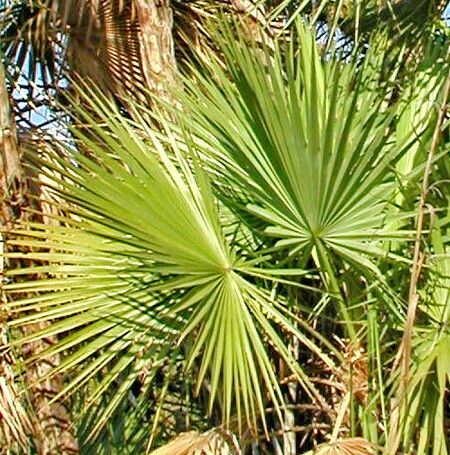
Oh, Acoelorraphe wrightii! If you’ve ever seen this beauty gracing a garden or a fantastic landscape, you know exactly why it captivates us. Its elegant, clumping form and those gorgeous, fan-shaped leaves create such a wonderfully tropical, yet incredibly resilient, statement. I’ve been growing them for years, and I can tell you, propagating them is a truly satisfying endeavor. You get to essentially multiply that magic!
Now, for the big question: is it easy for beginners? I’d say it leans towards moderately easy. It’s not quite as forgiving as, say, a pothos, but with a little attention and the right approach, you’ll be celebrating success.
The Best Time to Start
For Acoelorraphe wrightii, your best bet is to start in the warmest part of the growing season. Think late spring through summer. This is when the plant is actively pushing out new growth and has the most energy to dedicate to developing new roots. Waiting for active growth means you’re working with the plant, not against it.
Supplies You’ll Need
Before we dive in, let’s get you prepped with your essential tools:
- Sharp, sterile pruning shears or a clean knife: You need a precise cut to avoid damaging the plant or introducing disease.
- Well-draining potting mix: I like a blend of coarse sand, perlite, and a good quality peat-free compost. Something that won’t hold excess moisture is key!
- Small pots or trays: For starting your new plants. Make sure they have drainage holes.
- Rooting hormone (optional but recommended): This really gives your cuttings a boost. Look for one specifically for stem cuttings.
- Watering can with a fine rose: For gentle watering.
- Plastic bag or propagation dome: To create a humid microclimate.
- Gloves (optional): For comfort, especially if you have sensitive skin.
Propagation Methods
Acoelorraphe wrightii is most commonly propagated through division, and this is often the most successful route for home gardeners. While stem cuttings can work, they can be a bit trickier with this particular palm.
Division: Multiplying the Magic
This is my go-to method for Acoelorraphe. You’re essentially separating a mature plant into smaller, independent individuals.
- Prepare your plant: Gently unpot your Acoelorraphe wrightii. You’ll see it forms clumps, often with several smaller stems emerging from the base.
- Loosen the soil: Carefully tease away as much of the old soil from the root ball as possible. You want to clearly see where the separate stems and their root systems connect.
- Identify division points: Look for natural separation points. Each clump you want to create should have its own healthy root system.
- Make the cut: This is where your sharp pruning shears are vital. Carefully cut through the roots and rhizomes to separate the clumps. Be as gentle as possible to minimize root damage, but don’t be afraid to make a clean cut where needed. If one clump seems very difficult to separate, it’s often best to leave it connected for now and focus on easier divisions.
- Pot them up: Pot each separated division into its own pot using your well-draining mix. Make sure the roots are spread out nicely.
- Water gently: Water thoroughly but gently, ensuring the soil is moist but not waterlogged.
The “Secret Sauce” (Pro Tips)
Now for a couple of little tricks I’ve picked up over the years that can make a big difference:
- Don’t overdo the rooting hormone: If you’re using it for stem cuttings (which, as I mentioned, are less common for this palm but still possible), a thin coating is all you need. Too much can actually hinder root development. Dip the cut end into the powder or gel.
- Embrace that humidity: Whatever method you choose, creating a humid environment is crucial. Covering your pots with a clear plastic bag (loosely tied) or using a propagation dome will dramatically increase your success rates. It mimics the humid conditions these palms crave.
Aftercare & Troubleshooting
Once your divisions are potted up, they need a little TLC.
Keep them in a bright, indirect light location. Avoid direct sun for at least a few weeks, as this can scorch tender new growth. Water when the top inch of soil feels dry.
The most common issue you might encounter is rot. This is almost always due to overwatering or soil that drains too poorly. If you see your new plant wilting, the leaves turning yellow and mushy, or a blackening at the base, take prompt action. You might need to unpot it, gently trim away any rotted parts, and repot in fresh, dry, well-draining soil. Sometimes, it’s a case of too much moisture from the start, and you might have to cut your losses.
A Little Patience Goes a Long Way
Growing a new plant is always a journey, and Acoelorraphe wrightii is no different. Be patient with your divisions. It can take several weeks, sometimes even a couple of months, to see noticeable new growth. Keep an eye on the soil moisture, give them bright, indirect light, and trust the process. You’ll have more of these stunning palms to enjoy or share before you know it! Happy gardening!
Resource: