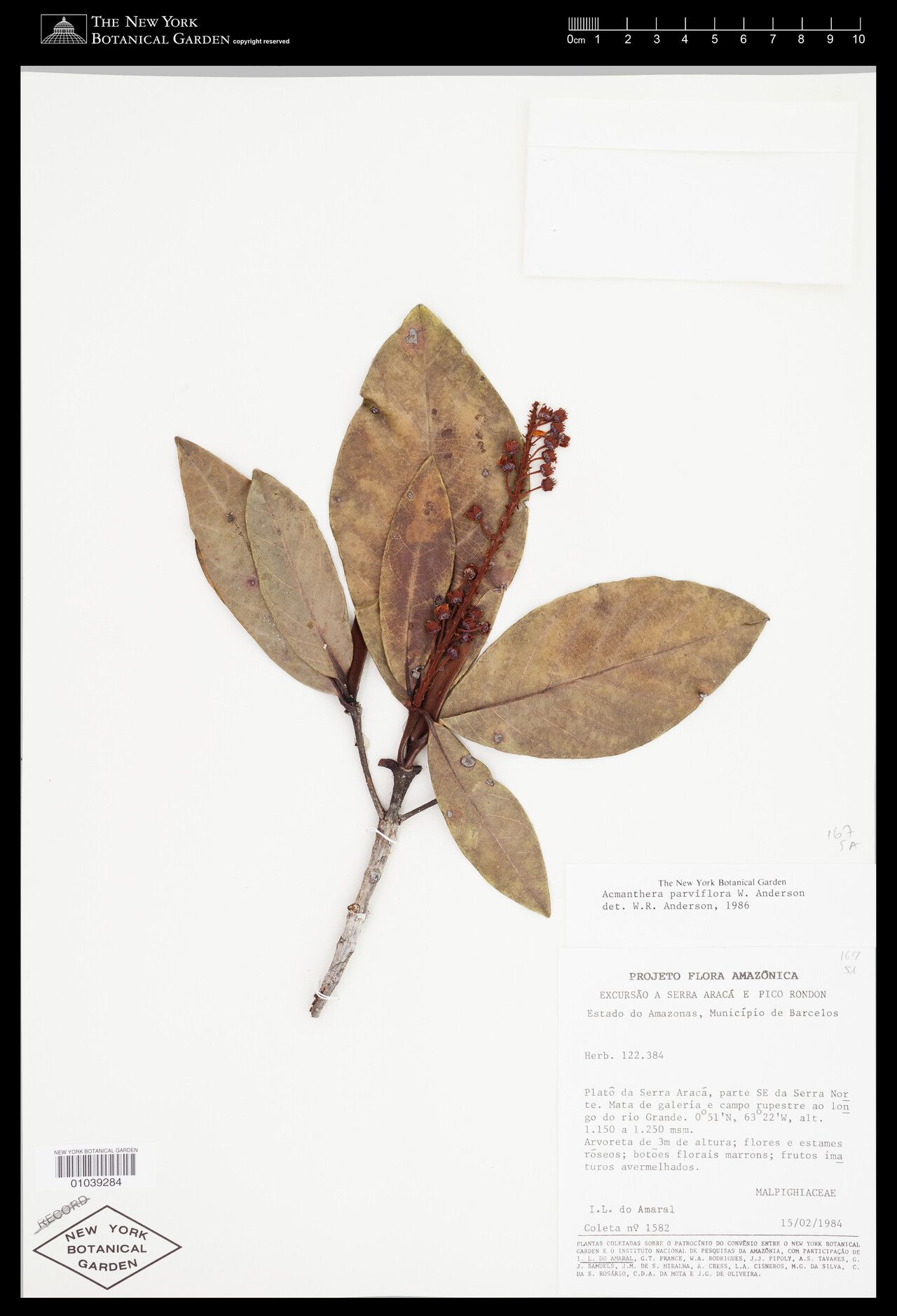
Oh, happy gardening day to you! Today, we’re diving into the delightful world of Acmadenia parviflora, a plant I’ve grown to absolutely adore. You might know it by its common name, often something along the lines of a starry-flowered shrub or a fragrant shrublet. Whatever you call it, its delicate, star-shaped flowers and wonderfully aromatic foliage make it a truly special addition to any garden or sunny windowsill. And the best part? Propagating it is incredibly rewarding, a real chance to multiply that joy. For beginners, I’d say Acmadenia parviflora falls into the moderately easy category. With a little patience and the right approach, you’ll be enjoying new plants before you know it.
The Best Time to Start
When it comes to getting new Acmadenia plants going, late spring to early summer is your golden window. This is when the plant is in its most vigorous growth phase after flowering. You’ll want to take cuttings from young, healthy stems that are still slightly pliable but not brand new, wispy growth. Think of it as taking a cutting from a stem that’s just finished its initial burst of energy.
Supplies You’ll Need
To set yourself up for success, gather these handy items:
- Sharp pruning shears or a clean, sharp knife: For making clean cuts.
- Rooting hormone (optional but recommended): A little boost can make a big difference. Look for one formulated for stem cuttings.
- Well-draining potting mix: A 50/50 blend of perlite and peat moss or coco coir works beautifully. You can also use a commercial seed-starting mix amended with extra perlite.
- Small pots or seed trays: With drainage holes, of course!
- Plastic bags or a propagation dome: To create a humid environment.
- Watering can with a fine spray: To avoid disturbing your cuttings.
- Labels and a permanent marker: To keep track of your efforts.
Propagation Methods
Let’s get our hands dirty and explore the best ways to multiply your Acmadenia.
Stem Cuttings: My Go-To Method
This is generally the most reliable way to propagate Acmadenia parviflora.
- Take Your Cuttings: Using your clean shears, select healthy, non-flowering stems. Cut pieces about 4-6 inches long, making your cut just below a leaf node (where a leaf attaches to the stem).
- Prepare the Cuttings: Gently remove the leaves from the bottom half of each cutting. This prevents them from rotting in the soil. If your cuttings have any tiny flower buds, pinch those off too; we want the energy to go into root development, not flowering or producing seeds.
- Apply Rooting Hormone (Optional): Dip the cut end of each stem into your rooting hormone powder, tapping off any excess.
- Pot Them Up: Fill your small pots with your prepared, damp potting mix. Make a small hole in the center of each pot with your finger or a pencil.
- Insert and Water: Gently insert the cuttings into the holes, ensuring the leaf nodes are below the soil surface. Firm the soil gently around the base of each cutting. Water thoroughly until you see water drain from the bottom.
- Create Humidity: Place the pots into a plastic bag or cover them with a propagation dome. Make sure the bag or dome doesn’t press directly onto the leaves. You can use stakes to support it if needed.
Water Propagation (With a Caveat!)
While some plants root beautifully in water, Acmadenia can be a bit fussier. If you do try this, be extra vigilant.
- Prepare Cuttings: Follow steps 1 and 2 from the stem cutting method.
- Place in Water: Put your prepared cuttings into a vase or jar of clean, room-temperature water. Ensure only the leafless portion of the stem is submerged.
- Change Water Regularly: This is crucial. Change the water every 2-3 days to prevent stagnation and bacterial growth.
- Monitor for Roots: You should see tiny white roots emerge from the nodes within a few weeks.
- Potting Up: Once the roots are about an inch long, very carefully transplant them into your well-draining potting mix. This transition can be a bit shocking for them, so be gentle.
The “Secret Sauce” (Pro Tips)
After years of nudging plants to grow, I’ve picked up a few tricks that really seem to help:
- Bottom Heat is Your Friend: I’ve found that my Acmadenia cuttings root much faster and more reliably when they have a little warmth from beneath. A cheap seedling heat mat placed under the pots makes a phenomenal difference. It encourages root initiation without overheating the foliage.
- Don’t Overcrowd: While it’s tempting to cram as many cuttings into a pot as possible, give them a little breathing room. This improves air circulation, which is vital for preventing fungal diseases. If you’re using a tray, spacing them out a bit can really help.
- Patience with the Potting Mix: When you pot up water-propagated cuttings, or if your soil-propagated cuttings seem slow to root, resist the urge to overwater. The goal is moist, not soggy. A slightly drier spell can actually encourage roots to seek out moisture, pushing them to grow.
Aftercare & Troubleshooting
Once you see new green growth emerging from your cuttings, it’s a good sign that roots have formed!
- Acclimatize: Gradually start to remove the plastic bag or propagation dome for increasing periods over a week. This allows the new plants to adjust to the lower humidity of your home.
- Potting Up: When the new plants have a decent root system (you can gently check by wiggling a pot or by seeing roots actively growing out the drainage holes), it’s time to move them into slightly larger pots with your regular potting mix.
- Watering: Water them well after potting up, and then let the top inch of soil dry out between waterings. They’ll still appreciate good drainage and don’t like to sit in soggy conditions.
Common Issues:
- Rot: The most common problem is rot, usually caused by overwatering and poor drainage. If a cutting turns mushy and black at the base, it’s likely gone too far. Remove it immediately to prevent it from affecting other cuttings. Ensure your soil is airy and your pots drain freely.
- Wilting: Some initial wilting is normal as cuttings adjust. However, persistent wilting can indicate dehydration or poor root development. Check the soil moisture. If it’s dry, give it a gentle watering. If it’s soggy, you might be dealing with rot.
Let Nature Take Its Course
Propagating plants is a wonderful way to connect with the natural cycle of growth. There will be times when things don’t quite work out, and that’s okay! Every gardener learns through trial and error. Don’t get discouraged. Celebrate every little success, and enjoy the journey of watching these new little Acmadenia plants unfurl and thrive. Happy growing!
Resource:
https://identify.plantnet.org/k-world-flora/species/Acmanthera%20parviflora%20W.R.Anderson/data