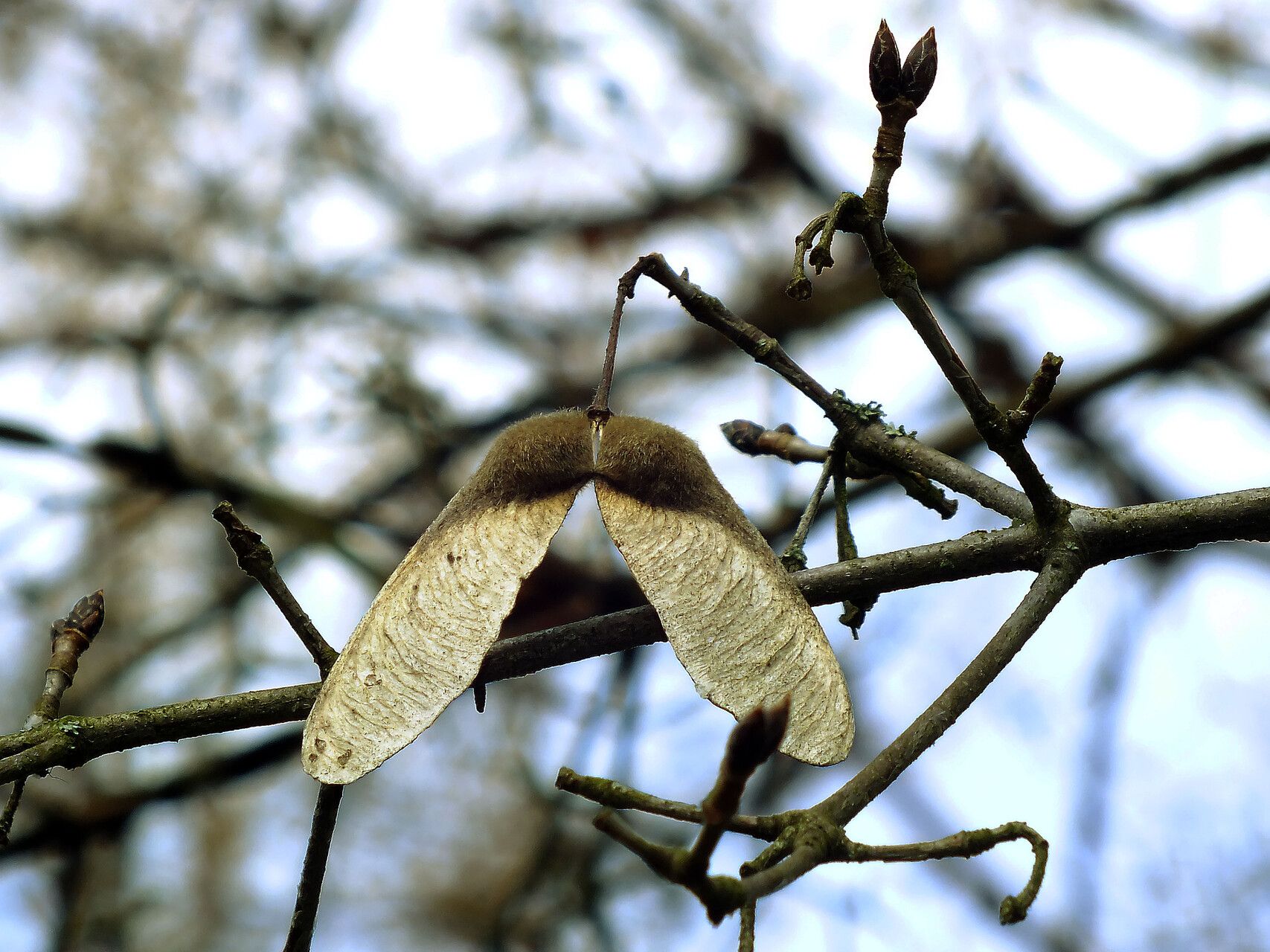
Oh, hello there! I’m so glad you’re interested in propagating the Paperbark Maple, Acer griseum. If you’ve ever seen one of these beauties with its exfoliating bark – a wonderful mosaic of cinnamon, orange, and salmon hues that just glows in the winter light – you know why it’s so special. Growing your own from scratch is a journey of patience and observation, and it’s incredibly rewarding to witness that tiny seedling transform. Now, I’ll be honest, Acer griseum isn’t the absolute easiest plant to propagate for absolute beginners – it can be a little fussy. But with a bit of care and my tips, you’ll be well on your way!
The Best Time to Start
For Acer griseum, the sweet spot for success is usually late spring to early summer, when the plant is actively growing. You’ll want to take cuttings from semi-hardwood stems. These are stems that have started to mature and firm up, but aren’t yet completely woody and stiff. Think of it as the “just right” stage – flexible enough to root, but sturdy enough to handle a bit of manipulation.
Supplies You’ll Need
Here’s what I always have on hand when I’m prepping to take cuttings:
- Sharp, clean pruning shears or a sharp knife: For making clean cuts.
- Rooting hormone powder or gel: Essential for encouraging root development.
- A well-draining potting mix: I like a blend of equal parts perlite, peat moss, and coco coir. This keeps things airy and prevents rot.
- Small pots or seed trays: With drainage holes, of course!
- Plastic bags or a propagator: To create a humid environment.
- Labels and a permanent marker: So you don’t forget what’s what.
- A spray bottle: For misting.
Propagation Methods
While seed propagation is an option, it often results in plants that don’t perfectly mirror the parent, and it can take years! For the most consistent results, I stick to stem cuttings.
Stem Cuttings:
- Select your cutting: Look for healthy, vigorous shoots that are about pencil-thick and 6-8 inches long. Make a cut just below a leaf node (where a leaf attaches to the stem).
- Prepare the cutting: Gently remove the leaves from the bottom two-thirds of the stem. You can leave the top few leaves on, but trim them in half horizontally to reduce water loss through transpiration.
- Dip in rooting hormone: Moisten the cut end of the stem, then dip it into your rooting hormone. Tap off any excess.
- Insert into soil: Make a hole in your prepared potting mix with a pencil or your finger. Gently insert the cutting about 1-2 inches deep. Firm the soil around it.
- Create humidity: Water the soil lightly. Then, cover the pot with a clear plastic bag, propping it up with skewers so it doesn’t touch the leaves. Alternatively, place the pot in a propagator.
- Find a good spot: Place the pot in a warm, bright location out of direct sunlight.
The “Secret Sauce” (Pro Tips)
- Bottom Heat is Your Friend: If you can, pop your cuttings on a heated propagation mat. This gentle warmth from below is a game-changer for encouraging root formation, especially when the air temperature might be a bit cooler.
- Don’t Drown Them: When you water your cuttings, aim for moist but not soggy soil. Overwatering is the quickest way to invite rot. I often prefer to water from the bottom by placing the pot in a tray of water for about 15 minutes, letting the soil soak up what it needs.
- Patience is Key (and So Are Clean Tools!): Seriously, a clean cut makes all the difference. And with Acer griseum, you might not see roots for 8-12 weeks, sometimes even longer. Don’t get discouraged! Keep that humidity up and be patient.
Aftercare & Troubleshooting
Once you start to see new leaf growth on your cutting, that’s a fantastic sign that roots are forming! You can gently tug on the cutting; if there’s resistance, roots have taken hold. Gradually acclimatize your new plant to lower humidity by opening the plastic bag or propagator a little each day over a week or so. Continue to keep the soil consistently moist and in bright, indirect light.
The most common problem you’ll encounter is rot. If your cutting turns mushy and black, it’s likely rotted. This is usually a sign of too much moisture and/or not enough air circulation. If you see mold on the soil surface, remove it promptly and ensure good ventilation.
A Encouraging Closing
Propagating Acer griseum is a beautiful exercise in horticultural patience. Don’t be discouraged if your first few attempts aren’t perfect. Each cutting you take, each observation you make, is a learning opportunity. Enjoy the process, celebrate the successes, and relish the thought of growing your very own paperbark masterpiece for years to come. Happy gardening!
Resource:
https://identify.plantnet.org/k-world-flora/species/Acer%20griseum%20(Franch.)%20Pax/data