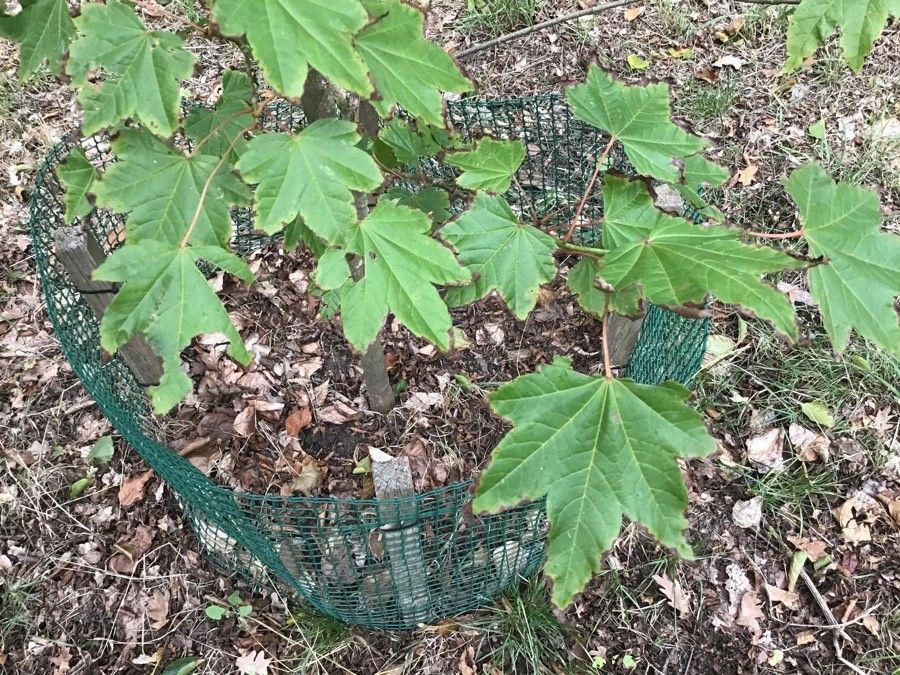
Oh, hello there! Come on in, pull up a chair. I’m so glad you’re interested in propagating Acer caudatum, or the Wedge-leaf Maple as it’s sometimes called. This little beauty, with its delicate, often vibrantly colored leaves, is an absolute joy to have in the garden. And the reward of coaxing a new life from a piece of an existing plant? Well, that’s just pure magic, isn’t it?
Now, if you’re wondering about difficulty, Acer caudatum generally falls into the “moderately easy” category. It’s not quite as forgiving as a willow, but with a bit of care, you’ll have great success. It’s a wonderful project for anyone looking to move beyond the absolute basics.
The Best Time to Start
When it comes to giving your Acer caudatum the best chance, I like to think about its natural growth cycle. The late spring to early summer, just as the new growth has started to mature and harden off a little (we call this “semi-hardwood”), is usually your sweet spot. You want shoots that are flexible but not so soft they’ll just flop over. This timing means the plant has good reserves and the days are getting warmer, perfect for rooting.
Supplies You’ll Need
Here’s what you’ll want to have on hand to make your propagation adventure as smooth as possible:
- Sharp Pruning Shears or a Knife: Clean cuts are key for healthy healing.
- Rooting Hormone: A little powder or gel goes a long way to encourage root development.
- Potting Mix: I prefer a well-draining mix. A blend of peat moss or coir and perlite or vermiculite works wonders. About a 50/50 ratio is a good starting point.
- Small Pots or Seed Trays: Clean, with drainage holes, of course.
- Plastic Bags or a Propagator: To create a humid environment.
- Water: For misting and watering.
- A Small Trowel or Stick: For making holes in the soil.
Propagation Methods
While you could try other methods, for Acer caudatum, stem cuttings are my go-to. It’s straightforward and effective.
- Taking the Cuttings: With your sharp shears, select healthy, current-season shoots that are about pencil-thick and around 4-6 inches long. Make your cut just below a leaf node. This is where most of the rooting action happens.
- Preparing the Cuttings: Gently strip off the lower leaves, leaving just a couple of leaves at the very top. If the remaining leaves are quite large, I like to cut them in half horizontally. This reduces water loss.
- Applying Rooting Hormone: Dip the cut end of the stem into your rooting hormone, tapping off any excess.
- Planting the Cuttings: Fill your pots with your prepared potting mix. Use a stick or your trowel to make a hole in the center. Carefully insert the cutting into the hole, making sure the rooting hormone doesn’t rub off. Gently firm the soil around the base of the cutting.
- Creating Humidity: Water the soil gently until it’s moist but not waterlogged. Then, place a plastic bag over the pot to create a mini-greenhouse, or put the pots into a propagator. Ensure the leaves don’t touch the inside of the bag if possible.
The “Secret Sauce” (Pro Tips)
Here are a couple of things I’ve learned over the years that really make a difference:
- Bottom Heat is Your Friend: If you have a heated propagator or can place your pots on a gently warming heat mat, do it! Bottom heat encourages root formation much faster than relying on ambient air temperature alone. Just be sure it’s not too hot – think lukewarm bath water, not boiling.
- Cleanliness is Paramount: When working with cuttings, especially soft ones, cleanliness prevents fungal diseases. Always use clean tools, clean pots, and if your rooting hormone has been sitting around, give it a fresh sniff to make sure it’s still good. A little bit of mold can spell doom for your efforts.
Aftercare & Troubleshooting
Once your cuttings are planted and in their humid environment, keep them in a bright, indirect light. Avoid harsh, direct sun, which can scorch them and dry out the leaves too quickly.
Check on them regularly. You want the soil to remain consistently moist but not soggy. If you see condensation building up heavily inside the bag, you can briefly open it to let some air circulate.
The exciting part is seeing new root growth. You’ll usually see it in 4-8 weeks, sometimes longer. You can peek gently at the base of the cutting or carefully tug. If there’s resistance, you’ve got roots!
If you notice mushy stems or blackening, that’s a sign of rot. It often means the environment is too wet or not airy enough. Sadly, these cuttings are usually lost, but don’t be discouraged! Just clean everything up and try again.
A Encouraging Closing
Propagating Acer caudatum is a journey, my friend. There will be triumphs and there might be a few casualties along the way. The key is to be patient, be observant, and learn from each attempt. Enjoy the process of nurturing these tiny beginnings. Soon enough, you’ll have a whole new generation of these lovely maples to grace your garden, or to share with fellow plant enthusiasts. Happy propagating!
Resource:
https://identify.plantnet.org/k-world-flora/species/Acer%20caudatum%20Wall./data