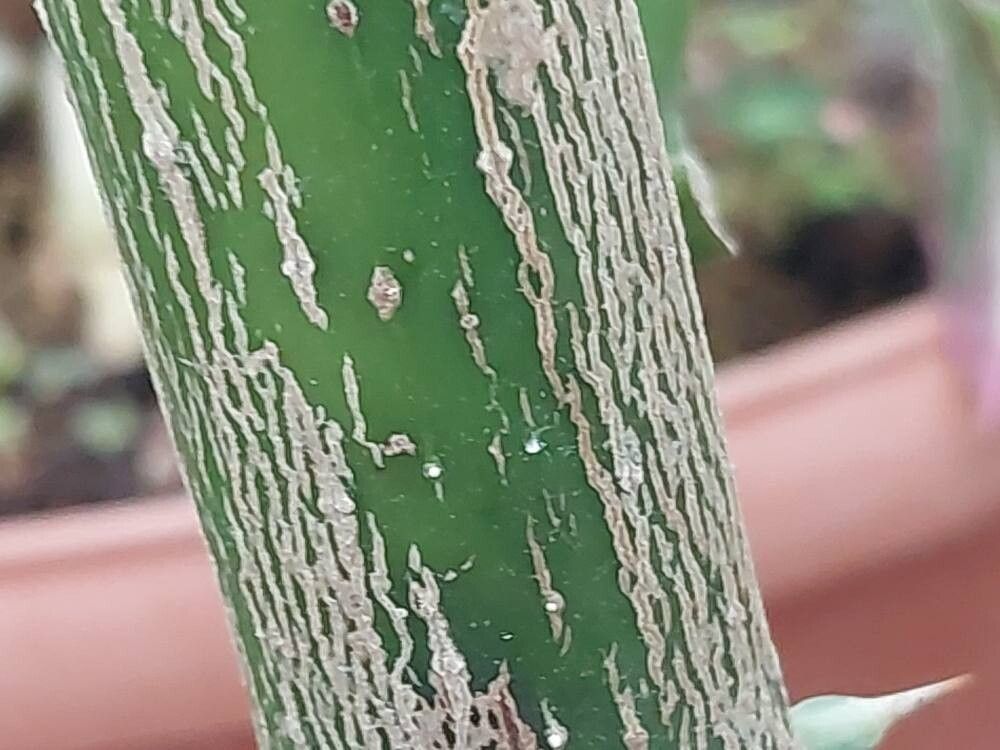
You know, sometimes I walk past a garden and see those magnificent, architectural beauties – Acanthus. Their bold, dramatic foliage and spires of intricate flowers are simply breathtaking. And if you, like me, have fallen under their spell, you’ve probably wondered, “Could I grow more of these?” The good news is, yes you can! Propagating Acanthus eminens is a deeply satisfying journey, allowing you to share its grandeur or simply expand your own green sanctuary. For a beginner, it’s a bit of a rewarding challenge. It’s not as simple as popping a basil cutting in water, but the success you’ll feel with these robust plants is truly special.
The Best Time to Start
When it comes to getting new Acanthus eminens up and running, spring is your absolute best friend. Think about it: the plant is just waking up from its winter slumber, full of energy and ready to grow. Starting propagation as the weather warms up gives your new little plants the longest possible growing season to establish themselves before the next chill. Aim for early spring, right after the last frost has safely passed. You want the plant to be actively growing, not just stirring.
Supplies You’ll Need
To get started on your propagation adventure, you’ll want to gather a few essentials:
- Sharp, clean pruning shears or a sharp knife: For making clean cuts.
- Rooting hormone powder or gel: This isn’t strictly essential for Acanthus, but it can give your cuttings a real boost.
- Well-draining potting mix: A good blend of compost, perlite, and maybe some coarse sand works wonders. Acanthus hates soggy feet!
- Small pots or trays: With drainage holes, of course.
- A spray bottle: For misting.
- Plastic bags or a mini-greenhouse: To create a humid environment.
- A small trowel or dibber: For making planting holes.
Propagation Methods
Acanthus eminens can be a bit particular, but there are two reliable methods that generally bring the best results: stem cuttings and root division.
1. Stem Cuttings:
This is my go-to method when I want to clone a particularly lovely specimen.
- Select your stems: Look for healthy, non-flowering shoots in early spring. You want stems that are firm but not woody. About 4-6 inches long is ideal.
- Make the cut: Using your clean shears or knife, cut just below a leaf node – that little bump where a leaf grows from the stem. This is where the magic happens for rooting. Take a few cuttings from different parts of the plant.
- Prepare the cuttings: Gently remove the lower leaves from your cuttings, leaving just a couple at the very top. This reduces moisture loss and prevents leaves from rotting in the soil.
- Apply rooting hormone: Dip the cut end of each stem into your rooting hormone, tapping off any excess.
- Plant them: Make a hole in your potting mix with your dibber or trowel. Insert the cutting, ensuring the node where you removed leaves is below the soil surface. Gently firm the soil around it.
- Create humidity: Water the soil lightly, then cover the pots or trays with a plastic bag or place them in a mini-greenhouse. You want to create a steamy environment, but make sure to open them up for a few minutes each day to allow fresh air in – this is crucial for preventing fungal issues.
2. Root Division:
This is a more direct way to propagate, particularly effective when you’re transplanting an established Acanthus.
- Dig carefully: In early spring, when the plant is just starting to wake up, carefully dig around the base of your mature Acanthus. You want to lift the whole root ball.
- Assess the roots: Gently brush away some of the excess soil from the roots. You’re looking for distinct clumps or sections of the root system that have their own shoots or buds.
- Divide the plant: Using a sharp spade or trowel, or even your hands if the clumps are loose, carefully separate the root ball into sections. Each division should have at least one good-sized root and ideally a bud or visible shoot.
- Replant immediately: Plant your divisions in their new locations or in pots filled with your well-draining soil mix, treating them as you would a newly purchased plant. Ensure the top of the root ball is at the same level as it was in the ground.
The “Secret Sauce” (Pro Tips)
Over the years, I’ve learned a few things that seem to make all the difference with these beauties:
- Firstly, don’t be afraid to be a bit ruthless with your pruning shears. Sometimes, the most vigorous stems yield the best cuttings. And don’t get discouraged if a few don’t take. It’s part of the learning curve!
- For those stem cuttings, bottom heat is your secret weapon. Placing your pots on a propagation mat or even on top of a router (if it generates a gentle warmth) can really encourage root development. It mimics the soil warming up in spring.
- When you’re dividing roots, make sure each section has something to work with – a healthy root system AND a potential new shoot or bud. A root without a way to sprout new growth is just a sad piece of root.
Aftercare & Troubleshooting
Once your cuttings have rooted – you’ll know when you see new leaf growth or feel a gentle resistance when you tug on a stem – it’s time to transition them.
- Gradually acclimate them: If they’ve been under cover, slowly introduce them to less humid conditions by opening the bags or greenhouse vents for longer periods.
- Water thoughtfully: Keep the soil consistently moist but not waterlogged. A good watering technique is to water from the bottom if possible, allowing the soil to soak up moisture, which also helps prevent fungal diseases on the leaves.
- Be patient with light: Initially, keep your new plants in bright, indirect light. As they establish, you can gradually transition them to more sun, depending on your Acanthus’s preferred conditions.
Now, you might encounter a few hiccups. The most common issue is rot. This usually stems from overwatering or poor drainage. If you see a cutting turning black and mushy, malheureusement, it’s usually a goner. The key is to use that well-draining soil and resist the urge to overwater. If your cuttings seem to be wilting and not rooting, it could be insufficient humidity or they might just need more time. Keep them in a humid environment and be patient.
A Encouraging Closing
Growing your own Acanthus eminens is such a rewarding experience. It’s about observation, patience, and a little bit of horticultural magic. Don’t expect perfection overnight; nature has its own rhythm. Celebrate each success, learn from your challenges, and most importantly, enjoy the process of nurturing new life. Happy gardening!
Resource:
https://identify.plantnet.org/k-world-flora/species/Acanthus%20eminens%20C.B.Clarke/data