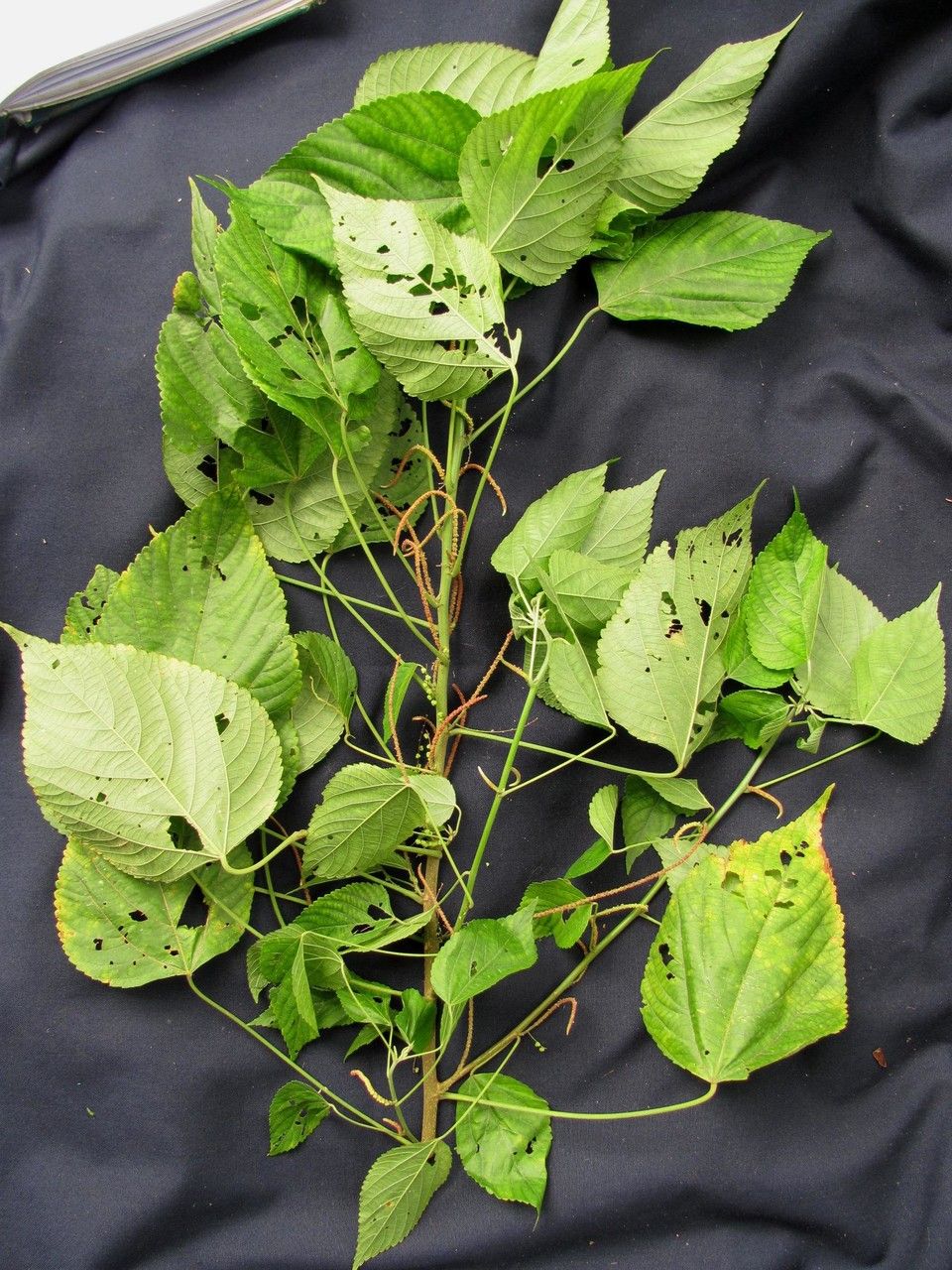
Oh, Acalypha villosa! What a truly delightful plant to have gracing your garden or windowsill. I remember the first time I saw one, with its fuzzy, cascading blooms and vibrant foliage. It just has this wonderfully wild, yet elegant charm. And guess what? Propagating it is a fantastic way to multiply that charm and share it with friends (or just fill up your own space!). For beginners, I’d say Acalypha villosa is moderately easy to propagate. A little patience and following a few simple steps will see you well on your way.
The Best Time to Start
For the most success, I always reach for my pruning shears in the late spring or early summer. This is when the plant is actively growing after its winter rest. You’ll be looking to take cuttings from healthy, new growth – not woody old stems. Think of it as capturing the plant at its most vibrant and ready to enthusiastically put down new roots.
Supplies You’ll Need
Gathering your tools makes the whole process smoother. Here’s what I usually have on hand:
- Sharp pruning shears or a clean knife: Cleanliness is key to preventing disease.
- Well-draining potting mix: A good blend of peat moss, perlite, and a bit of compost works wonders. You can also find specialized succulent or cutting mixes that do the trick.
- Small pots or seed trays: Clean ones, of course!
- Rooting hormone (optional but recommended): Dip the cut end into this before planting to encourage faster root development.
- Plastic bag or a propagation dome: This creates a humid environment, which is crucial.
- Watering can with a fine rose or a spray bottle: For gentle watering.
Propagation Methods
Stem cuttings are truly the star of the show for Acalypha villosa. It’s simple and effective.
- Take Your Cuttings: With your clean shears, select a healthy stem that’s about 4-6 inches long. Make a clean cut just below a leaf node (the point where a leaf attaches to the stem). These nodes are where new roots are most likely to form. Remove the lower leaves, leaving just a few at the top.
- Prepare the Cutting: If you’re using rooting hormone, dip the cut end into it now. This isn’t strictly necessary, but I find it really speeds things up.
- Plant Your Cuttings: Fill your small pots or trays with your chosen potting mix. Make a small hole in the center of each and gently insert the cut end of your Acalypha cutting. Firm the soil gently around the stem.
- Create a Humid Environment: Water the soil gently until it’s moist but not waterlogged. Then, cover the pot with a plastic bag or a propagation dome. This traps humidity, which is vital for preventing the cuttings from drying out before they establish roots. You can prop the bag up with a few sticks if it touches the leaves.
The “Secret Sauce”
Here’s what I’ve learned over the years that often makes all the difference:
- Bottom Heat is Your Friend: A gentle warmth from below, like from a seedling heat mat, can significantly speed up root formation. It mimics the warmth of the soil in warmer climates and really encourages those roots to stretch out. Just be sure the heat mat isn’t too hot; you want it to be warm, not scorching.
- Don’t Overwater! This is probably the biggest pitfall. Cuttings that sit in soggy soil are far more likely to rot than to root. The goal is consistently moist, not wet. I often check the soil by gently poking my finger in an inch or so. If it feels dry there, it’s time for a gentle watering.
Aftercare & Troubleshooting
Once your cuttings have been planted, place them in a bright location out of direct sunlight. The light is important for photosynthesis, but direct sun can quickly scorch those tender new leaves.
You’ll know your Acalypha villosa cuttings are rooting when you see new leaf growth or feel a gentle tug when you lightly pull on the stem. This usually takes anywhere from 4 to 8 weeks, sometimes a bit longer. Once you see signs of rooting, you can gradually acclimate them to less humid conditions by removing the plastic bag or dome for increasing periods each day. Eventually, you can transplant them into their own individual pots.
The main thing to watch out for is rot. If your cuttings turn black and mushy, or the leaves start to yellow and drop off rapidly despite being consistently moist, it’s likely rot setting in. This is usually due to overwatering or poor air circulation. If you see this, it’s best to discard the affected cuttings and start again, paying extra attention to soil moisture and ventilation.
A Encouraging Closing
Growing new plants from cuttings is such a wonderfully rewarding feeling. It’s a tangible way to connect with the life cycle of these beautiful plants. Be patient with your Acalypha villosa cuttings; they’ll let you know when they’re ready to grow. Enjoy the process, celebrate your successes, and don’t be discouraged by any little setbacks. Happy propagating!
Resource:
https://identify.plantnet.org/k-world-flora/species/Acalypha%20villosa%20Jacq./data