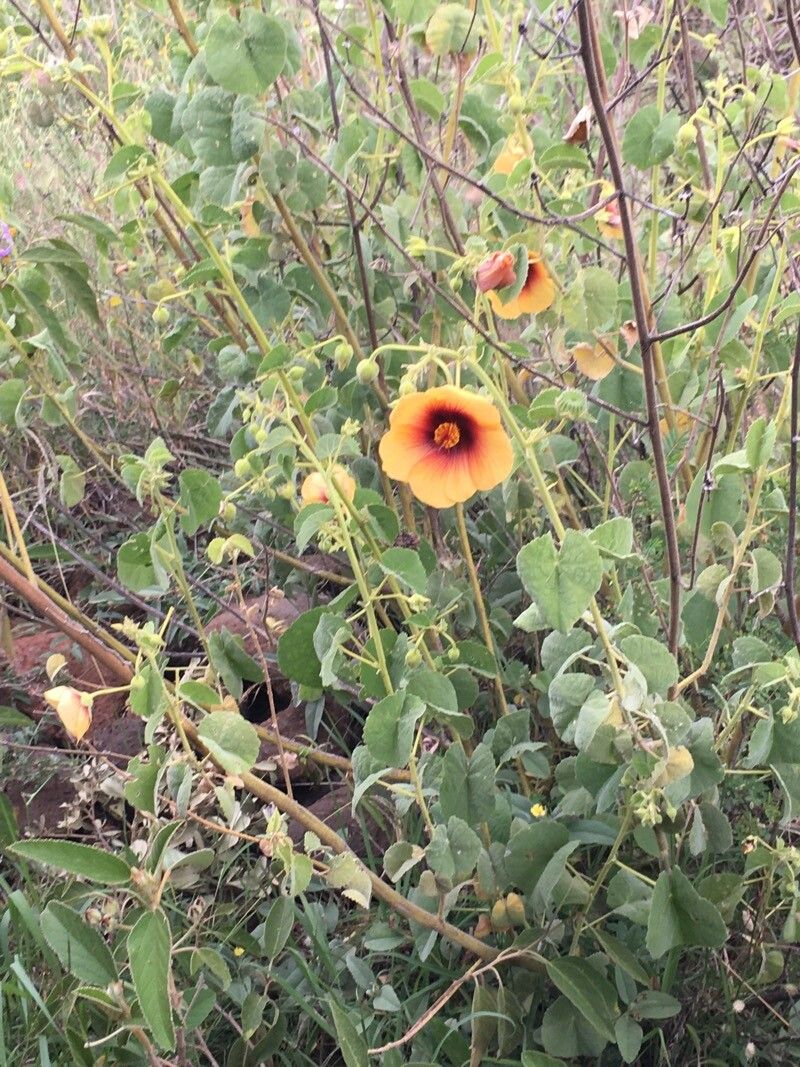
Hello there, fellow plant lovers! Today, I want to chat about a truly delightful plant: Abutilon hirtum, or as it’s often known, the Fuzzy Flowering Maple. These beauties, with their soft, fuzzy leaves and charming bell-shaped flowers that dance in the breeze, bring such a unique charm to any garden or sunny windowsill. If you’ve ever admired its delicate blooms and thought, “I wish I had more of these!”, then I have good news for you. Propagating a fuzzy flowering maple is a genuinely rewarding endeavor, and I’m here to walk you through it. For beginners, I’d say it’s moderately easy. A little patience goes a long way, but the success rate is quite good with a few key steps.
The Best Time to Start
When it comes to getting the best results with Abutilon hirtum, spring is your golden ticket. As the plant starts its vigorous growth spurt after winter, it’s brimming with energy. Taking cuttings from this healthy, active growth will give them the best chance to root quickly. Aim for a time when your fuzzy flowering maple is actively producing new shoots, usually after the last frost has passed in your area.
Supplies You’ll Need
Having the right tools makes all the difference, doesn’t it? Here’s what I always have on hand:
- Sharp Pruning Shears or a Knife: Clean cuts are vital for preventing disease and encouraging good rooting.
- Rooting Hormone: While not strictly essential for Abutilon, it can certainly speed things up and improve success rates. I prefer a powder form.
- Well-Draining Potting Mix: A 50/50 blend of seed starting mix and perlite works beautifully. It keeps things airy and prevents soggy bottoms.
- Small Pots or Seed Trays: Clean containers are a must. Small 4-inch pots are perfect for cuttings.
- Plastic Bag or Dome: To create a mini-greenhouse effect, trapping humidity.
- Water: For misting and watering.
- Optional: A Heat Mat: This provides gentle warmth from below, which can significantly encourage root development.
Propagation Methods
We’ll focus on the most reliable method for Abutilon hirtum: stem cuttings. It’s tried and true!
Stem Cuttings:
- Select Your Cuttings: Look for healthy, non-flowering stems. You want pieces that are about 4 to 6 inches long and have at least two sets of leaves. Gently bend a stem – if it snaps cleanly, it’s likely a good candidate.
- Make the Cut: Using your sterilized pruning shears or knife, make a clean cut just below a leaf node (where a leaf attaches to the stem). This is where the magic happens for rooting.
- Prepare the Cutting: Gently remove the lower leaves from the bottom half of the cutting. You want to expose the nodes from which roots will emerge. Leave at least one or two sets of leaves at the top. If the remaining leaves are very large, you can snip them in half to reduce moisture loss through transpiration.
- Apply Rooting Hormone: Dip the cut end of the stem into your rooting hormone powder, tapping off any excess.
- Plant the Cuttings: Fill your small pots with your prepared potting mix. Make a small hole with your finger or a pencil, and insert the cutting, ensuring the rooting hormone-treated nodes are buried in the soil. Gently firm the soil around the cutting.
- Water Gently: Lightly water your cuttings to settle the soil.
- Create the Humid Environment: Place the potted cuttings into a clean plastic bag or cover them with a clear dome. This traps humidity, which is crucial for cuttings that can’t yet absorb water through roots. Make sure the leaves don’t touch the plastic, as this can encourage rot.
The “Secret Sauce” (Pro Tips)
Now, for a couple of little tricks I’ve picked up over the years that make a real difference:
- Bottom Heat is Your Best Friend: If you have a heat mat, use it! Placing your pots on a gentle heat mat (around 70-75°F or 21-24°C) will significantly speed up root formation. The warmth encourages those root-forming cells to get moving.
- Don’t Overwater: This is a big one for Abutilon. While they need humidity, the soil should be consistently moist, not soggy. Let the very top layer of soil dry slightly between waterings. Soggy conditions are a fast track to rot.
- Think About Airflow (Eventually): Once you see signs of new growth, it’s time to gradually introduce your cuttings to fresh air. Start by opening the bag or dome for short periods each day, slowly increasing the duration. This hardens them off and prevents fungal issues.
Aftercare & Troubleshooting
Once you start to see new leaf growth appearing on your cuttings, it’s a fantastic sign that roots are forming! This usually takes anywhere from 3 to 8 weeks, depending on the conditions.
- Gradual Acclimation: Continue to gradually increase the time your new plants are exposed to open air over the next week or two.
- Watering: Water them as you would a mature plant – when the top inch of soil feels dry.
- Light: Place them in a bright spot, but avoid direct, harsh sunlight for the first few weeks. A bright, indirect light is perfect.
- Repotting: Once they have a good root system and are actively growing, you can pot them up into slightly larger containers.
Now, what if things don’t go as planned? The most common issue you might encounter is rot. This usually happens if the soil is too wet, or if there isn’t enough airflow. You’ll notice the stem turning black or mushy at the soil line, or the leaves wilting dramatically even though the soil is damp. If you spot rot, unfortunately, that cutting is likely lost. Don’t be discouraged! It happens to everyone, and it often just means you need to adjust your watering or humidity levels for the next batch.
A Little Patience Goes a Long Way
Propagating plants is a wonderful way to connect with nature and to multiply the joy your plants bring. Be patient with your fuzzy flowering maple cuttings. They’re working hard beneath the soil to grow strong roots. Watch for those subtle signs of life, and celebrate each success! Happy propagating, and enjoy those beautiful new fuzzy flowering maples!
Resource:
https://identify.plantnet.org/k-world-flora/species/Abutilon%20hirtum%20(Lam.)%20Sweet/data